
Beneath the canopy of trees, nestled along winding trails, and hidden in the quiet corners of meadows lies a world of untapped flavor and nourishment-wild edible plants. Foraging, an age-old practice that connects us directly to nature’s pantry, is experiencing a renaissance among adventurers, food lovers, and sustainability seekers alike. Whether you’re a curious beginner or a seasoned explorer, understanding the essentials of wild plant identification, harvesting techniques, and safety is key to unlocking this verdant treasure trove. In this ultimate guide to foraging, we’ll walk you through the must-know tips and tricks to confidently gather nature’s bounty, transforming your outdoor wanderings into a deliciously rewarding adventure. Let’s dive in and awaken the wild chef within!
Understanding Wild Edibles: Know Your Plants and Their Seasonal Cycles
Foraging Essentials start with a deep respect and understanding of nature’s rhythm. Knowing when and where to find wild edible plants means tuning into their seasonal cycles, which dictate their availability, flavor profiles, and nutritional content. Imagine the delicate green shoots of spring’s ramps bursting through forest floors in April, or the vibrant jewel tones of autumn’s chestnuts and late-season berries ready to be gathered before the first frost. Each wild edible has a unique story of emergence, bloom, and dormancy that helps you forage with confidence and care.
Essential Tools and Safety Tips for Confident Foraging Adventures
venturing into the wild requires more than just enthusiasm; it demands the right toolkit and sensible safety habits. Equip yourself with a sturdy pair of gloves to protect from thorns and irritants,a sharp harvesting knife for clean cuts to encourage plant regrowth,and a field guide app or printed manual featuring clear botanical illustrations to verify your finds. Don’t forget a breathable basket to allow airflow and avoid moisture buildup, ensuring your harvest remains fresh.
Always practice the knife’s “test cut” and double-check plant identification with multiple sources. Avoid foraging in polluted areas such as roadsides or industrial zones. Bring a fully charged phone, inform someone of your route, and never consume a plant unless you are absolutely certain of its identity. When in doubt, leave it out.
Top Nutrient-Packed Plants to Harvest and How to Prepare Them
Discovering wild plants is like uncovering nature’s secret pantry, brimming with vibrant nutrients waiting to be brought to life in your kitchen. Take nettles, for example – tiny, stingy leaves that unlock a spinach-like flavor and pack a powerful punch of iron and vitamins A and C when cooked. Another superstar is the bitter yet mellow dandelion greens, perfect for sautéing or turning into detoxifying teas.
When harvesting, cut tender young leaves or shoots, avoiding mature parts that might be tough or overly bitter. Morels, highly prized edible mushrooms found in spring, require gentle handling and thorough cooking to bring out their nutty, earthy aroma.
Lasting Foraging Practices: protecting Nature While Enjoying the Bounty
Embracing foraging as a mindful practice means harvesting with the earth’s well-being at heart. Follow the principle of “harvest only what you need” – taking small amounts spread over a large area to allow for natural regeneration. Never uproot entire plants; instead, snip leaves or fruits so roots and seeds remain untouched. Avoid endangered species or plants with known ecosystem importance and always familiarize yourself with local regulations and protected areas.
Leaving some of your harvest behind isn’t waste-it’s a gift to pollinators, birds, and future foragers. Carry out all your trash, tread lightly, and use guidebooks like the U.S.Forest Service’s wild edible plant guide for sustainable practices.
Foraging Essentials Wild Edible Greens Sautéed with Garlic and Lemon
This recipe embodies the very essence of foraging essentials by transforming freshly gathered wild greens into a vibrant, nutrient-packed side dish that effortlessly complements any meal. Inspired by conventional forest harvests, it brings rustic flavors alive: the earthiness of nettles and dandelion balanced with luminous lemon and aromatic garlic.
Prep and Cook Time
- Preparation: 15 minutes
- Cooking: 10 minutes
- Total: 25 minutes
Yield
Serves 4 as a flavorful side
Difficulty Level
Easy – perfect for beginner and intermediate foragers and cooks alike
Ingredients
- 4 cups mixed wild edible greens (nettles, dandelion greens, chickweed), washed and trimmed
- 2 tablespoons extra-virgin olive oil
- 3 cloves garlic, finely minced
- 1 teaspoon lemon zest
- 2 tablespoons fresh lemon juice
- Salt and freshly ground black pepper, to taste
- 1/4 teaspoon crushed red pepper flakes (optional)
- 1 tablespoon toasted pine nuts (optional garnish)
Instructions
- Prepare your greens: Wearing gloves if handling nettles, carefully wash and drain the wild greens. Roughly chop tougher stems, keeping tender leaves whole for texture.
- heat the oil: In a large skillet over medium heat, warm the olive oil until shimmering but not smoking.
- Sauté the garlic: Add the minced garlic and sauté until fragrant and golden, about 1-2 minutes. Stir constantly to avoid burning.
- Add greens in batches: Add half the greens and gently toss them around the skillet until wilted, then add the remaining greens. Sauté for 4-5 minutes total, stirring occasionally until tender but vibrant.
- Season and finish: Sprinkle lemon zest, lemon juice, salt, black pepper, and red pepper flakes over the greens. Toss gently to combine flavors. Cook another minute to marry the tastes.
- Serve immediately: Transfer to a serving dish and garnish with toasted pine nuts for crunch and nutty warmth.
Chef’s Notes
- Variations: Substitute olive oil with butter for a richer flavor or add diced shallots in step 3 for extra sweetness.
- Substitutions: If nettles are unavailable, young spinach or kale make excellent alternatives.
- Tip: Blanch nettles first for 1 minute in boiling water to remove sting before sautéing, especially if you’re new to handling them.
- Make-ahead: This dish is best served fresh but can be reheated gently in a pan; add a splash of water to prevent drying out.
Serving Suggestions
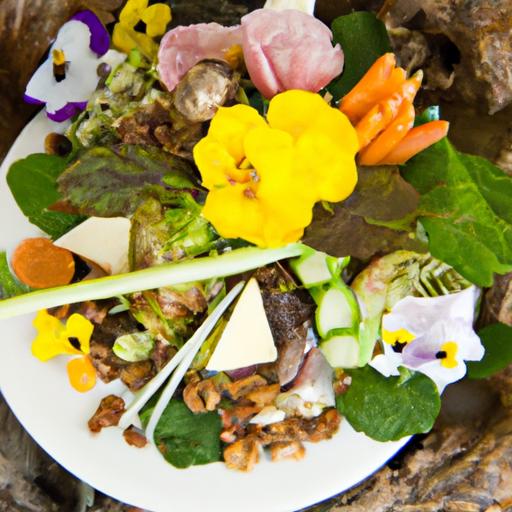
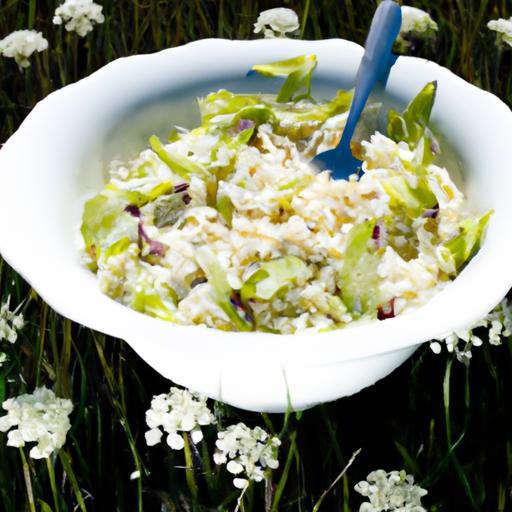
This wild greens sauté pairs beautifully alongside roasted meats or as a topping for grain bowls and warm salads. For an elegant touch, scatter edible flowers or microgreens atop before serving. A sprinkle of grated pecorino or a drizzle of aged balsamic vinegar intensifies the dish’s earthy brightness. Serve with crusty artisan bread to soak up any remaining flavor.

| Nutrient | Per Serving |
|---|---|
| Calories | 85 kcal |
| Protein | 3 g |
| Carbohydrates | 7 g |
| Fat | 6 g |
For more adventurous recipes that spotlight wild ingredients,explore our wild mushroom recipes collection. Enhance your knowledge of edible plants with expert resources such as the Wild Food UK Guide.
Q&A
Q&A: Foraging Essentials – Your Ultimate Wild Edible Plants Guide
Q1: What exactly is foraging, and why is it gaining popularity?
A1: Foraging is the art of searching for and harvesting wild edible plants in nature. It’s like a treasure hunt with your taste buds-combining survival skills with a deep connection to the environment. In recent years, people have embraced foraging not only as a way to source fresh, organic food but also as a mindful practice that reconnects us with the earth and its seasonal rhythms.
Q2: How can a beginner safely identify wild edible plants?
A2: Safety is king in foraging! Start by learning a handful of easily recognizable plants with zero-toxic lookalikes-think wild garlic, dandelion, or chickweed. Use multiple sources like field guides, apps, and local foraging groups. Always cross-check, and if in doubt, leave it out. Remember the golden rule: “When in doubt, don’t eat it.”
Q3: what are some must-have tools for a triumphant foraging trip?
A3: Your wild pantry starts with a sturdy basket or cloth bag (plastic bags? No thanks, thay ruin your haul and the environment). Pack a small, sharp knife or pruning shears for delicate harvesting, gloves to protect against thorns, a field guide or plant ID app, and, of course, some water and sunscreen for a day outdoors. Agreeable shoes and a notebook to jot down discoveries are great bonuses too.
Q4: How do you know which parts of the plant are edible?
A4: Different plants offer different edible treasures-leaves,roots,berries,flowers,or seeds. Such as, wild garlic leaf and flower are edible, but its bulb should be harvested with care.Research each plant carefully. Frequently enough, foragers start with leaves or flowers as they’re easier to identify. When peeling back a plant’s layers is involved,knowledge is key!
Q5: Can foraging be sustainable?
A5: Absolutely! Sustainable foraging means taking only what you need and leaving plenty behind to allow plants to thrive and reproduce. Follow local guidelines, avoid endangered species, and tread lightly. Think of yourself as a respectful guest in nature’s kitchen, harvesting with care so future foragers can enjoy the bounty too.
Q6: What are some flavorful wild edible plants to try first?
A6: Some tasty starters include wild garlic for adding pungent zest, fiddlehead ferns for a springtime treat, elderflowers for fragrant syrups, and wild strawberries for a sweet surprise. Each season brings new options-learning their harvest windows is part of the fun!
Q7: How can I incorporate wild edibles into everyday cooking?
A7: Wild edibles are culinary chameleons. Toss dandelion greens into salads to add a slight bitterness, use nettles (boiled!) in soups or pesto, or steep elderflowers for refreshing drinks. Experimenting with your harvest invites creativity and a personal signature to familiar dishes.
Q8: Are there any risks or allergies involved with foraging?
A8: Like any new food, wild plants can cause allergies or digestive upset in some people. Always try a small amount first and observe how your body reacts. Also,avoid foraging in polluted areas (roadside or industrial zones) to reduce contamination risks.
Q9: Where can I learn more about local wild edible plants?
A9: Dive into local wild plant workshops, community foraging walks, library books, and trusted foraging websites. Your region’s native plant societies and botanical gardens are treasure troves of knowledge, connecting you to both experts and fellow enthusiasts.
Q10: What’s the best mindset to bring on a foraging adventure?
A10: Curiosity mixed with respect. Embrace patience as you learn to read the land like an open book, delight in small discoveries, and cherish the stories each plant tells. Foraging is more than gathering food-it’s an invitation to slow down, listen, and become part of nature’s vibrant, edible narrative.
In Retrospect
As you set out on your foraging adventures, remember that the wild holds a treasure trove of flavors, nutrition, and connection to the earth-if only you know where to look and how to tread safely. With this guide as your companion, you’re not just discovering plants; you’re unlocking ancient knowledge and embracing a sustainable rhythm that honors nature’s generosity. So lace up your boots, sharpen your senses, and step into the green classroom with curiosity and respect. Your next wild edible finding awaits, ready to nourish both body and spirit.Happy foraging!