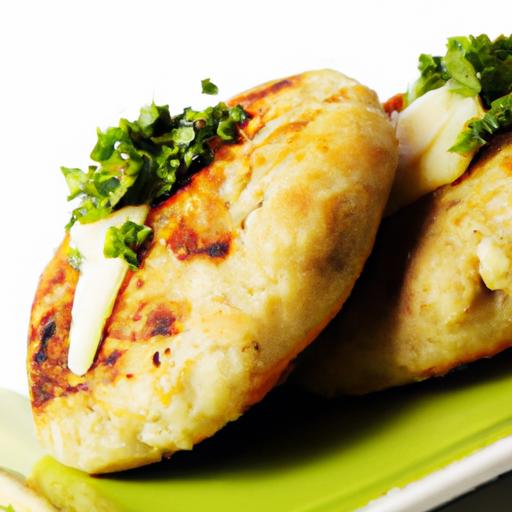

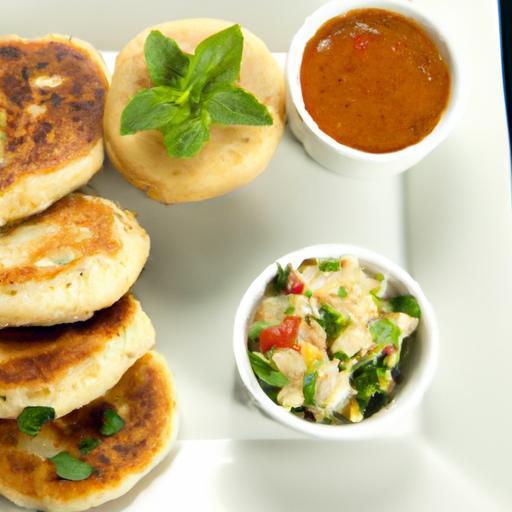
In the bustling labyrinth of Venice’s canals, where centuries-old traditions meet the whispers of the Adriatic breeze, a new culinary tale is being told-one that bridges two worlds separated by an ocean, yet united by the global language of flavor. Enter Venetian Arepas: a delightful fusion that marries the hearty, golden pockets of Venezuelan street food with the rich, aromatic nuances of Venetian cuisine. This unexpected blend not only celebrates the tasty heritage of each culture but also invites food lovers on a savory journey from the narrow alleyways of Venice to the vibrant streets of Caracas. Join us as we unravel the story behind this innovative dish and explore how centuries of history, migration, and creativity have come together to create a mouthwatering expression of global gastronomy.
Venetian Arepas beautifully unite the culinary traditions of Italy and Venezuela, presenting a unique canvas where centuries-old Venetian flavors meet the vibrant soul of Venezuelan street food. This inspired dish combines the soft,cornmeal-based texture of arepas with the fresh,aromatic nuances of Venetian herbs and cured delicacies,crafting a truly unforgettable experience for adventurous palates. My first encounter with these fusion bites was at a small artisan eatery tucked away near Venice’s Rialto Market, where each arepa was stuffed with luscious mascarpone, sun-dried tomatoes, and smoky chorizo – a harmony of cultures that instantly sparked my passion to recreate them at home.
Prep and Cook Time
- Readiness: 20 minutes
- Cooking: 25 minutes
- Total: 45 minutes
Yield
Serves 4 generously (8 arepas total)
Difficulty Level
Medium – Perfect for home cooks looking to elevate their street food repertoire with sophisticated Mediterranean influences
Ingredients
- 2 cups pre-cooked white cornmeal (masarepa)
- 2 ¼ cups warm water
- 1 tsp fine sea salt
- 2 tbsp extra virgin olive oil, plus more for griddling
- 150g mozzarella di bufala, torn into chunks
- 100g smoked Spanish chorizo, thinly sliced
- ½ cup mascarpone cheese
- ⅓ cup sun-dried tomatoes, drained and julienned
- 2 tbsp fresh basil leaves, finely chopped
- 1 tsp dried oregano
- Freshly cracked black pepper, to taste
- Optional: a handful of arugula for garnish
Instructions
- Combine the dough: In a large bowl, mix the pre-cooked white cornmeal and salt.Slowly pour warm water while stirring continuously with your hand or a wooden spoon until a smooth, pliable dough forms. Let it rest for 5 minutes, allowing the dough to hydrate fully.
- Shape the arepas: Divide the dough into 8 even portions. Roll each portion into smooth balls than flatten gently into ¾-inch thick discs.Brush lightly with olive oil on both sides to prevent sticking.
- Cook the arepas: Heat a non-stick skillet or griddle over medium heat. Place the discs on the hot surface and cook for about 6-7 minutes per side, until golden brown crust appears. Transfer to a preheated oven at 180°C (350°F) for 10 minutes to finish cooking through.
- Prepare the filling: While arepas bake, combine mascarpone, julienned sun-dried tomatoes, chopped basil, oregano, and cracked black pepper in a small bowl. Stir until creamy and balanced.
- Assemble: Carefully slice each arepa horizontally (like a sandwich). Spread a generous amount of mascarpone-tomato blend inside, layer with mozzarella di bufala and chorizo slices.
- Final touch: Return assembled arepas to the pan for 2 minutes on each side, just enough to slightly melt the cheese and infuse all flavors.
Tips for Success
- Hydration is key: The dough should be moist but not sticky; add water gradually and let it rest to absorb fully.
- Use fresh mascarpone: It imparts a luscious texture that balances the savory chorizo and herbs beautifully.
- Don’t skip the baking step: Ensures the arepas are cooked inside without drying out.
- Make ahead: Arepas can be prepared and grilled in advance; keep them wrapped in a clean cloth and reheat gently before filling.
- Vegetarian adaptation: Replace chorizo with grilled zucchini or roasted peppers to maintain that savory punch.
Serving Suggestions
Present these Venetian Arepas on rustic wooden boards garnished with fresh arugula and a drizzle of balsamic glaze to enhance their Mediterranean character. Pair with a crisp white wine such as Prosecco or a light Venezuelan beer for the ultimate fusion experience. Serve them warm alongside a simple herb salad tossed with lemon vinaigrette to brighten the palate.

| Nutrient | Per Serving |
|---|---|
| Calories | 350 kcal |
| Protein | 15 g |
| Carbohydrates | 43 g |
| Fat | 12 g |
For more inspiration on embracing global fusion cooking, explore our guide on Mediterranean and Latin Fusion Recipes. Want to deepen your knowledge on arepas? The Food Network’s arepa guide offers fantastic foundational tips for perfecting this Venezuelan staple.
Q&A
Q&A: Venetian Arepas – A Fusion of Flavors from Venice to Venezuela
Q1: What exactly are Venetian Arepas?
A1: Venetian Arepas are a culinary marriage between the customary Venezuelan arepa-a beloved cornmeal cake-and the rich, iconic flavors of Venice. Imagine the humble,crispy arepa stuffed with Venetian delights like creamy mascarpone,fresh seafood,or even a drizzle of balsamic reduction,creating a bite that journeys from the canals of Venice straight to the vibrant streets of Caracas.
Q2: How did this unique fusion come about?
A2: The fusion originated from cultural exchanges between Venezuelan immigrants and Italian locals in Venice.Over time, culinary curiosity sparked experimentation. Venezuelan cooks began incorporating Venetian ingredients into their classic arepas, while Venetian chefs embraced the versatility of the arepa as a vessel for their Mediterranean staples. This cross-pollination gave rise to a new, delectable hybrid.
Q3: What Venetian ingredients are commonly used in these arepas?
A3: Venetian Arepas frequently enough feature ingredients synonymous with venetian cuisine such as squid ink (for color and subtle briny notes), cicchetti-style seafood (think marinated sardines or tiny fried fish), creamy mascarpone cheese, radicchio, and even a splash of aged balsamic vinegar from nearby Modena. Each element is chosen to balance and elevate the earthy sweetness of the cornmeal base.
Q4: How do Venetian Arepas differ from traditional Venezuelan arepas?
A4: While traditional Venezuelan arepas focus on fillings like shredded beef, black beans, and cheese, Venetian Arepas embrace a lighter, more seafood-centric palette, often incorporating delicate Venetian ingredients to create a more refined flavor profile. The presentation also tends to be more artisanal-think delicate garnishes and a focus on seasonal ingredients-reflecting Venetian culinary aesthetics.
Q5: Can anyone make Venetian Arepas at home?
A5: Absolutely! The beauty of Venetian Arepas lies in their adaptability. While sourcing authentic Venetian ingredients might require a little effort, adventurous home cooks can substitute with accessible seafood, creamy cheeses, and a touch of balsamic glaze.The key is mastering the arepa dough-pre-cooked cornmeal mixed with water and salt-which forms the perfect canvas.
Q6: Why should food lovers care about this fusion?
A6: Venetian Arepas are more than a tasty dish-they are a celebration of cultural dialog and creativity. They exemplify how food transcends borders, blending histories, traditions, and tastes to create something fresh and exciting. for food lovers seeking novel experiences, they offer a tasty story of heritage and innovation in every bite.
Q7: Where can one try authentic Venetian Arepas?
A7: While still a niche specialty, Venetian Arepas have begun to appear in select bistros and fusion restaurants in Venice and Venezuelan communities worldwide. Food festivals celebrating Latin American and Mediterranean cuisines often spotlight this hybrid dish. Alternatively, seeking out chefs pioneering fusion dishes or pop-ups exploring cross-cultural plates can be a gateway to tasting these innovative treats.
Q8: What beverages pair best with venetian Arepas?
A8: Depending on the filling, Venetian Arepas pair beautifully with a crisp Venetian white wine like Soave or a refreshing sparkling Prosecco, balancing the cornmeal’s sweetness and the richness of Venetian ingredients. For a non-alcoholic option, a chilled hibiscus tea or a tangy tamarind agua fresca can highlight the fusion’s vibrant flavors.
With Venetian Arepas, every meal is a bridge spanning oceans and cultures-a testament to the delicious magic that happens when culinary worlds collide. Whether enjoyed on the shimmering canals of Venice or the sun-soaked plazas of Venezuela, these arepas tell a flavorful story of unity, adventure, and taste.
To Conclude
As the sun sets over the canals of Venice and the vibrant streets of venezuela alike, Venetian arepas stand as a delicious testament to the magic that happens when cultures intertwine.this fusion of Venetian ingredients and Venezuelan tradition creates more than just a meal-it crafts a story of culinary exploration and shared heritage. Whether you’re savoring the creamy mascarpone melded with cornmeal or the fresh basil kissed by the Caribbean breeze,each bite invites you to journey between two worlds,celebrating flavors that cross oceans and time.Venetian arepas remind us that food is not just sustenance,but a bridge-connecting hearts,histories,and tastes in a single,unforgettable experience.