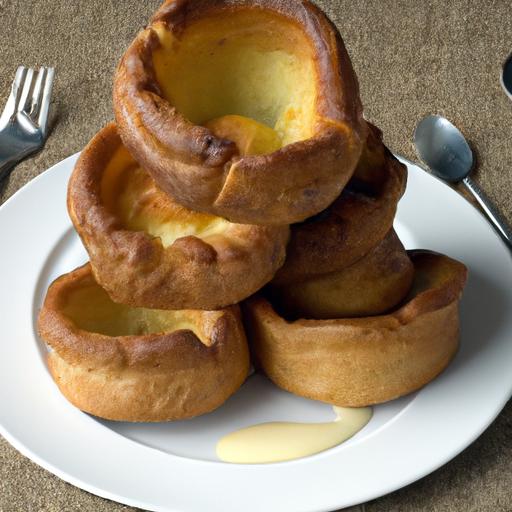

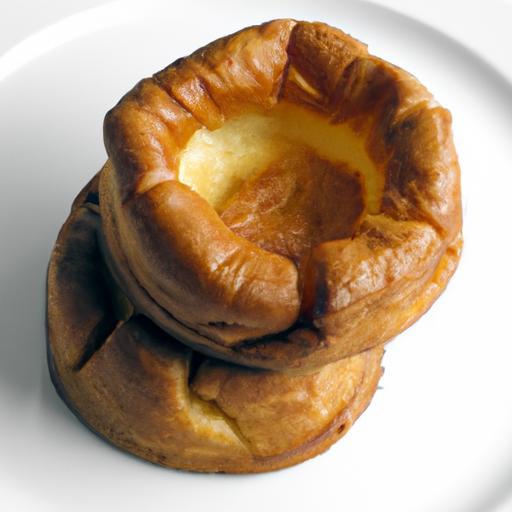
There are few dishes as instantly comforting and quintessentially British as Yorkshire pudding-a golden,crispy-edged marvel that has stood the test of time on dinner tables across the UK. Rooted in humble origins yet elevated to a beloved culinary icon, this classic side dish carries a rich history and a unique technique that continues to captivate food lovers today. In this article, we’ll unravel the secrets behind Yorkshire pudding’s timeless appeal, explore its traditional readiness, and celebrate why this simple batter creation remains a cherished staple in British cuisine. Weather you’re a seasoned cook or a curious foodie, prepare to discover the magic behind one of Britain’s most enduring delights.
Timeless Yorkshire pudding is more than just a side dish; it’s a testament to British culinary heritage, weaving tradition with the cozy aroma of Sunday roasts. Originating in the county of Yorkshire during the 18th century, this humble batter pudding was originally a thrifty way to extend meat portions by soaking up gravy and juices from roasts. Over centuries, it has evolved into an iconic favourite, delighting homes and gourmet kitchens alike with its towering, fluffy rise and crisp edges. Mastering yorkshire pudding unlocks a delicious journey of textures and flavors that embody the spirit of British comfort food.
Prep and Cook Time
Preparation: 15 minutes
Cooking: 25 minutes
Total Time: 40 minutes
Yield
Serves 4-6 people (makes 8 medium-sized puddings)
Difficulty Level
Medium
Ingredients
- 1 cup all-purpose flour,sifted
- 1 cup whole milk,room temperature
- 3 large free-range eggs,beaten
- ½ teaspoon sea salt
- 3 tablespoons vegetable oil or beef dripping
- Optional: a pinch of freshly ground black pepper or herbs like thyme for subtle flavor
Instructions
- Combine dry ingredients: in a large bowl,whisk together the sifted flour and sea salt until evenly mixed.
- Add wet ingredients: Create a well in the flour and pour in the beaten eggs and half of the milk. Gradually whisk from the center outward, incorporating flour little by little to create a smooth batter.
- finish the batter: Slowly add the remaining milk while whisking continuously to achieve a thin, lump-free batter. Let it rest for at least 30 minutes at room temperature-this ensures better rise and a tender crumb.
- Preheat yoru oven: Set to 220°C (425°F) ensuring it is fully hot before cooking. Place your chosen yorkshire pudding tin or a deep-sided muffin tray inside to heat up.
- Heat the fat: Once the oven is hot (about 10 minutes), carefully remove the tin and add ½ teaspoon of vegetable oil into each compartment. The fat must be smoking hot for the batter to rise correctly.
- Pour batter instantly: Quickly and evenly distribute the batter into the tins,filling them about halfway. Place the tray back into the oven without delay.
- Bake and rise: Cook for 20-25 minutes without opening the oven door. The Yorkshire puddings will puff dramatically and turn golden brown, forming crisp edges and hollow centers perfect for soaking gravy.
- Serve hot: Remove from oven, serve immediately to enjoy the full puffed structure and crispy texture.
Tips for Success
- Rest the batter: Allowing the batter to rest improves gluten development and yields a taller, fluffier pudding.
- Keep the fat sizzling: The key to Yorkshire pudding’s iconic rise is that the oil or dripping must be almost smoking before pouring the batter.
- Don’t open the oven: Avoid opening the door during cooking to prevent collapsing.
- Experiment with fats: While traditional recipes call for beef dripping, vegetable oil or even sunflower oil works well for a modern twist and a vegetarian option.
- Make ahead: Batter can be prepared a day in advance and refrigerated.Bring it back to room temperature before cooking.
- Reheat carefully: Leftovers can be reheated quickly in a hot oven to regain crispness-avoid microwaving.
serving Suggestions and Pairings to Elevate Your Yorkshire Pudding Experience
Yorkshire puddings serve as the perfect canvas to complement classic British roasts and beyond. For a traditional feast, pair these golden wonders with roast beef, smothered in rich, homemade gravy. add roasted root vegetables and creamy horseradish for authentic comfort.
Alternatively, stuff Yorkshire puddings with mashed potatoes, sautéed mushrooms, or even slow-cooked lamb for a playful twist.For a modern palate, consider topping with smoked salmon and a dollop of crème fraîche or filling with curried chickpeas for a vegetarian delight. A sprinkle of fresh herbs like parsley or chives adds vibrant color and fresh aroma.
don’t forget a side of tangy mustard or a sharp red wine reduction sauce to accentuate the pudding’s savory notes and create an elevated dining experience.
Insights from Top Chefs on Reinventing This Classic dish
Leading British chefs continue to innovate while honoring the timeless essence of Yorkshire pudding. Chef Heston Blumenthal recommends experimenting with batter infusions-try subtle additions like finely chopped fresh herbs or even a hint of nutmeg to add depth. Chef Nigella Lawson suggests using sparkling water or beer in place of milk for a lighter, airier texture that carries a slight bitterness to balance richer accompaniments.
For gluten-free enthusiasts,chefs recommend substituting traditional flour for a fine,gluten-free blend-just ensure a rest time of at least 45 minutes to aid the rise. Some contemporary takes include sweet variations, layering the puddings with fruit compotes or whipped cream for dessert versions, proving Yorkshire pudding’s delightful versatility in modern gastronomy.
| Nutritional Info (per serving) | Calories | Protein | Carbs | Fat |
|---|---|---|---|---|
| Yorkshire Pudding | 180 kcal | 6 g | 22 g | 7 g |

For a deeper history on traditional British dishes, explore our Classic Roast Beef Recipes. For authoritative insights into Yorkshire pudding’s origins, visit the British Food History Society.
Q&A
Q&A: Timeless Yorkshire pudding - A Classic British Delight Explained
Q1: What exactly is Yorkshire pudding?
A1: Yorkshire pudding is a golden, airy baked treat originating from Northern England. Made from a simple batter of eggs, flour, and milk, it puffs up in the oven to create crispy edges and a delectably soft center. Traditionally served alongside roast beef and gravy, it’s a cornerstone of British Sunday lunches.
Q2: Why is it called “Yorkshire” pudding?
A2: The name “Yorkshire” honors the historic county of Yorkshire,where the dish’s popularity first soared. The region’s abundant beef and affordable staple ingredients helped shape this humble pudding into a beloved classic, emblematic of Yorkshire’s hearty culinary heritage.
Q3: How did Yorkshire pudding come to be?
A3: Yorkshire pudding dates back to the early 18th century. It began as a clever way to use the fat and juices that dripped from standing meat roasting on an open fire. By pouring a simple batter beneath the roasting meat, cooks transformed these drippings into a crispy, savory accompaniment – an economical and delicious innovation.
Q4: What makes Yorkshire pudding rise so magnificently?
A4: the secret to a perfectly risen Yorkshire pudding lies in its batter and oven heat.The mixture must be smooth and rested, and the fat in the pan heated until smoking hot before the batter is added. this explosive heat causes the batter to rise explosively, trapping steam and creating a light, airy center surrounded by crisp walls.
Q5: Can Yorkshire pudding be enjoyed outside of a roast dinner?
A5: Absolutely! While traditionally paired with roast beef, Yorkshire puddings have versatile charm. They can be filled with stews, served as a vessel for sausages and gravy (commonly known as “Toad in the hole”), or even turned into a sweet dessert with berry compotes and custard. The possibilities are as endless as their timeless appeal.
Q6: What tips can help someone master Yorkshire puddings at home?
A6: For Yorkshire pudding success: ensure your oil or fat is smoking hot before pouring in the batter, don’t overcrowd the tray, and resist the urge to open the oven door too early. Also, letting your batter rest for at least 30 minutes can help develop better texture and rise. Patience and precision are your best friends!
Q7: Why does Yorkshire pudding remain popular after all these years?
A7: Yorkshire pudding is a culinary icon because it embodies simplicity, tradition, and shared joy around the dinner table. Its crispy, comforting texture and ability to transform humble ingredients into something celebratory capture the heart of British cooking – proving that some classics never go out of style.
To Wrap It Up
From golden edges to pillowy centers,Yorkshire pudding remains a culinary emblem that has stood the test of time-bridging centuries of British heritage with every savory bite. Whether served alongside a Sunday roast or reinvented in modern kitchens, its humble ingredients continue to weave warmth and tradition into the fabric of dining tables everywhere. By understanding the history and art behind this classic dish, we not only celebrate a beloved British staple but also invite ourselves to savor a piece of timeless comfort-one Yorkshire pudding at a time.