
Ther’s something deceptively simple about the hard-boiled egg. At first glance, it seems like a kitchen basic everyone can master-but anyone who’s struggled wiht cracked shells, rubbery yolks, or that stubborn gray ring knows it’s an art form in disguise. Welcome to The Ultimate Guide to Perfectly Baked Hard-Boiled Eggs, where we’ll crack open the science, share foolproof techniques, and elevate this humble staple from everyday snack to culinary triumph. Whether you’re prepping for salads, snacks, or fancy deviled eggs, get ready to discover how baking-not boiling-can deliver flawless results every single time.
Perfectly baked hard-boiled eggs begin with choosing the right eggs, and knowing how to handle them with care through every stage of cooking-from boiling to peeling-ensures consistent results every time. Whether you’re preparing a simple snack or an elegant appetizer, mastering these essential techniques elevates even the humblest egg into a culinary delight.
Choosing the Right Eggs for Consistent results
Start your journey toward flawless hard-boiled eggs by selecting fresh, high-quality eggs. Eggs that are slightly older-around 7 to 10 days-tend to peel more easily due to the natural pH changes in the albumen, promoting that delicate separation from the shell. If you can,buy organic,free-range eggs with a clean,unblemished shell,ideally stored at a consistent temperature. The size and color of the egg won’t affect the taste but will influence cooking time and presentation, so keep that in mind.
Mastering the Boiling Process to Avoid Cracks and Overcooking
Bring the eggs to room temperature before cooking; sudden temperature shifts can cause cracking. Place them gently in a saucepan and cover with cold water by at least an inch. add a teaspoon of white vinegar or salt to strengthen shells and make peeling easier. Bring water to a rolling boil over medium-high heat, then immediately reduce to a gentle simmer. Cooking eggs at a steady simmer rather than a rolling boil minimizes jostling and cracking.
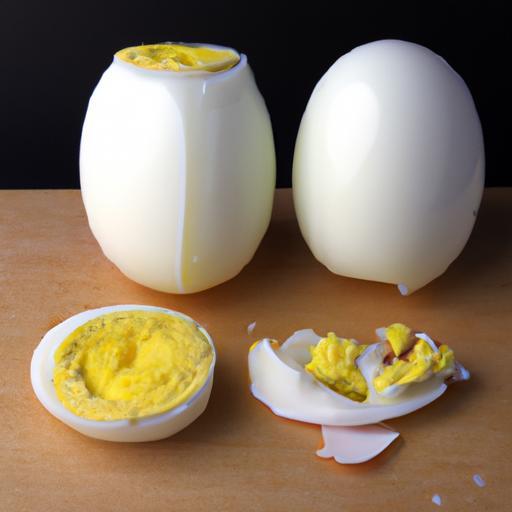
For perfectly baked hard-boiled eggs, time is everything: simmer for 9-12 minutes, depending on size. Overcooking produces that stubborn greenish ring around the yolk and a sulfurous smell. Once time’s up, swiftly transfer the eggs to an ice water bath – this halts cooking entirely and firms the whites for easy peeling.
Techniques for Easy Peeling Every Time
After soaking eggs in ice water for at least 10 minutes, gently tap each egg on a hard surface to crack the shell all over. Rolling it lightly under your palm loosens the membrane beneath the shell.
Peeling under running cold water washes away tiny shell fragments and helps seperate the shell from the egg white for a clean release. For a foolproof peel, try peeling immediately after cooling or refrigerate eggs still in shell for up to a week. if peeling fresh eggs proves challenging, gently boiling eggs a day ahead increases peelability.
Creative Serving Suggestions to Elevate Your Hard-Boiled Eggs
Elevate your perfectly baked hard-boiled eggs with these inspired serving ideas that marry texture and flavor:
- Classic Deviled Eggs: Scoop yolks and mix with creamy mayo, Dijon mustard, a dash of smoked paprika, and a splash of pickle juice. Pipe or spoon the filling back into the egg whites, garnishing with fresh chives or crispy bacon bits.
- Avocado egg Boats: Halve ripe avocados, remove the pit, and nestle sliced hard-boiled eggs inside. Top with a sprinkle of chili flakes and a drizzle of lemon-olive oil dressing for a fresh, nutrient-packed bite.
- Salad Enhancer: Quarter eggs and toss them atop mixed greens with baby spinach, toasted walnuts, and a light vinaigrette for a protein-rich, visually stunning salad.
- Spiced Snack: Slice eggs in half and spoon on a vibrant harissa or curry yogurt sauce, garnished with toasted sesame seeds or fresh herbs for a flavorful snack or appetizer.
Every serving option invites creativity; experiment with flavors and textures to personalize this delightful ingredient.
Prep and Cook Time
- Readiness: 5 minutes
- Cooking: 12 minutes
- Cooling: 10 minutes
- Total: 27 minutes
Yield
Yields 6 perfectly baked hard-boiled eggs (serves 3 as a snack or appetizer)
Difficulty Level
Easy – ideal for beginners and seasoned cooks alike
Ingredients
- 6 large eggs, preferably 7-10 days old
- Cold water, enough to cover eggs by 1 inch
- 1 tsp white vinegar or salt (optional, for easier peeling)
- ice cubes, for ice water bath
Instructions
- Bring eggs to room temperature by leaving them out for 15 minutes; this prevents cracking during cooking.
- Place eggs gently in a single layer in a medium saucepan. Add cold water to cover eggs by at least one inch and stir in vinegar or salt.
- Slowly bring the pot to a rolling boil over medium-high heat. Once boiling, reduce heat to low to maintain a gentle simmer.
- Cook eggs for 9 minutes for slightly creamy yolks or 12 minutes for fully firm yolks. Avoid boiling vigorously to prevent shell cracks.
- Prepare an ice water bath while eggs cook. Once time is reached, immediately transfer eggs into the ice bath with a slotted spoon.
- let eggs chill for at least 10 minutes. This stops the cooking and enhances peelability.
- Crack each egg gently on a hard surface, roll it to loosen the shell, and peel under running cold water for best results.
Tips for Success
- Room temperature eggs reduce cracking risks and help cook evenly.
- Adding vinegar strengthens shells and facilitates peeling, especially with fresher eggs.
- Use an ice water bath not just to cool but to create a slight contraction between the egg white and shell, easing removal.
- Store peeled eggs in a sealed container with a damp paper towel to keep them fresh for up to 2 days.
- For batch cooking, bake eggs in the oven at 275°F (135°C) for 30 minutes-an option approach that retains tender whites and creamy yolks.
Serving Suggestions
- Spoon spicy harissa or tangy mustard vinaigrette atop halved eggs for bold flavor.
- Sprinkle everything bagel seasoning and flaky sea salt for an addictive crunch.
- Arrange on a vibrant platter with pickles, olives, and artisan breads for a chic brunch spread.
- Pair with fresh herbs like dill, tarragon, or parsley to add brightness.
| Nutrient | per Egg |
|---|---|
| Calories | 78 kcal |
| Protein | 6.3 g |
| Carbohydrates | 0.6 g |
| Fat | 5.3 g |

For a deeper dive into egg preparation techniques, check out our comprehensive guide to deviled eggs. Additionally, explore the USDA’s egg safety recommendations here for expert advice.
Q&A
Q&A: The Ultimate Guide to Perfectly Baked Hard-Boiled Eggs
Q1: Why bake hard-boiled eggs rather of boiling them?
A1: Baking hard-boiled eggs is a hands-off, foolproof method that frees up stovetop space and eliminates the risk of cracked shells or rubbery whites. Plus, the oven’s gentle, even heat yields consistently cooked eggs with minimal fuss.Q2: At what temperature and for how long should eggs be baked?
A2: For perfectly baked hard-boiled eggs, preheat your oven to 325°F (160°C). Place eggs in a muffin tin or on a baking rack to keep them steady and bake for about 25-30 minutes. This timing ensures firm whites and creamy yolks every time.
Q3: Do I need to add water or cover the eggs while baking?
A3: No water or covering is needed! The dry heat of the oven cooks the eggs evenly from all sides. Just make sure to let the eggs cool in an ice bath afterwards to stop the cooking process and make peeling a breeze.
Q4: Can I bake eggs straight from the fridge, or should they be at room temperature?
A4: Eggs can go straight from the fridge into the oven-no need to bring them to room temp. The slightly cooler starting temperature just adds a minute or two to the bake time and helps prevent cracking.
Q5: How do I peel baked eggs without frustration?
A5: After baking, plunge your eggs into an ice bath for at least 10 minutes. The cold shock contracts the egg inside the shell, making peeling easier. Tap gently, roll to crack the shell, and the pieces should come off beautifully.
Q6: are baked hard-boiled eggs as tasty and nutritious as boiled ones?
A6: Absolutely! Baking preserves the natural flavors and nutrients of the egg without adding water that can dilute taste. The slight difference is texture-baked eggs often have silkier whites and creamier yolks, delighting your palate.
Q7: Can I bake eggs in advance and store them?
A7: Yes! Baked hard-boiled eggs keep well in the fridge for up to one week. Store them in a sealed container, peeled or unpeeled, and enjoy quick snacks or salads all week long.
Q8: What if my eggs crack during baking?
A8: A few tiny cracks aren’t catastrophic-they just create a marbled effect on the egg whites, which some find charming. To reduce cracking, use room temperature eggs, place them snugly in a muffin tin, and avoid sudden temperature changes.
Q9: Can I bake eggs in larger batches?
A9: Definately! One of the perks of baking eggs is the ability to cook a dozen or more at once by simply arranging them on a rack or in a muffin tin. It’s perfect for meal prep and family breakfasts.
Q10: Any creative twists to try with baked hard-boiled eggs?
A10: Oh, yes! Experiment with sprinkling spices like smoked paprika or garlic powder on peeled eggs for instant flavor boosts, or slice them for unique baked egg sandwiches and salads.The oven-baked method is your gateway to eggceptional creativity!
To Conclude
And there you have it – the ultimate roadmap to mastering the art of perfectly baked hard-boiled eggs. With this guide in your culinary toolkit, say goodbye to cracked shells, rubbery whites, and chalky yolks.Whether you’re prepping protein-packed snacks, elevating your salads, or crafting deviled eggs that steal the show, baked eggs deliver consistent results with minimal fuss. So next time you’re craving that simple, satisfying egg, remember: the oven is your secret weapon for flawless flavor and texture every time. Happy baking!