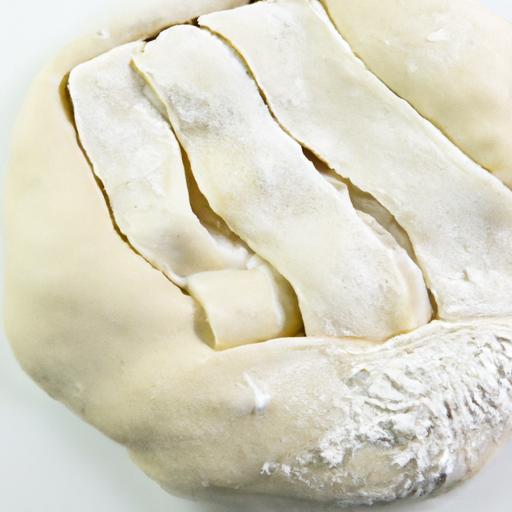

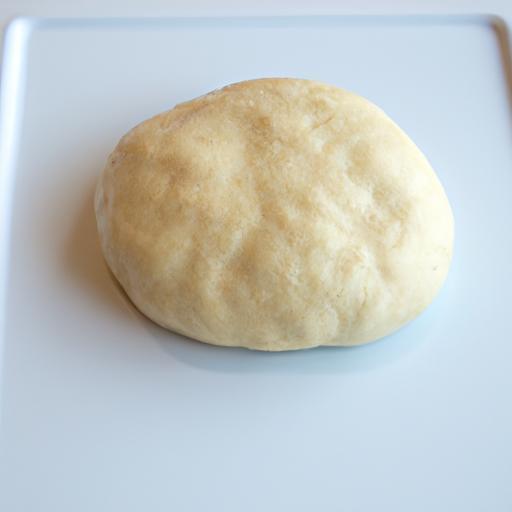
There’s a quiet kind of magic that happens in kitchens worldwide-the transformation of simple ingredients into a pillowy, golden masterpiece. At the heart of this alchemy is yeast dough, a living mixture that rises and breathes, turning humble flour and water into everything from crusty artisan bread to tender cinnamon rolls. But what exactly happens inside that dough as it grows, and how does this invisible process affect the flavor, texture, and soul of our favorite baked goods? In this article, we’ll unravel the mysterious science and artistry behind yeast dough, revealing how nature’s smallest miracle worker helps culinary creations rise to perfection.
The Magic Behind Yeast Dough: Rising to Culinary Perfection
The magic behind yeast dough truly lies in the fascinating science of fermentation-an ancient natural process that transforms simple ingredients into fluffy, aromatic breads that delight the senses.With roots tracing back thousands of years, this alchemy of tiny living organisms turning sugars into carbon dioxide bubbles gives dough its airy structure and complex flavors. weather crafting a rustic sourdough boule or tender dinner rolls, understanding the transformative journey of yeast empowers every baker to achieve consistent, tantalizing results in their kitchen.
prep and cook Time
- Preparation: 20 minutes
- Primary Rise (First Proof): 1 to 1.5 hours
- Shaping and Second Rise (Final Proof): 45 minutes to 1 hour
- Baking Time: 25-40 minutes (depending on loaf size)
- Total time: Approximately 3 hours
Yield
makes 1 standard 9-inch loaf or approximately 12 dinner rolls
Difficulty Level
Medium – Perfect for home bakers ready to deepen their yeast mastery
Ingredients
- 3 ½ cups all-purpose flour, sifted for better aeration
- 1 cup warm water (105°F to 110°F), essential to activate yeast without killing it
- 2 ¼ teaspoons active dry yeast (1 packet)
- 2 tablespoons granulated sugar, feeding the yeast for optimal fermentation
- 1 ½ teaspoons fine sea salt, to control yeast activity and enhance flavor
- 2 tablespoons unsalted butter, melted and slightly cooled
- Optional: 1 tablespoon milk or an egg for a richer crumb and golden crust
Instructions
- Activate the yeast: In a small bowl, sprinkle the yeast over the warm water and stir gently. Blend in the sugar and let it sit for 5-10 minutes until foamy. This bloom signals a lively yeast ready to work its magic.
- Mix the dough: in a large bowl, combine the sifted flour and sea salt. Create a well in the center and pour in the yeast mixture and melted butter. Use a wooden spoon or yoru hands to gently bring it together until a shaggy dough forms.
- Knead for structure: Transfer dough to a lightly floured surface. Knead vigorously for 8-10 minutes until smooth and elastic. The gluten network is developing here-key to trapping those precious gas bubbles.
- First proof: Place the dough in a clean, greased bowl and cover with a damp cloth or plastic wrap. Set it in a warm spot (75°F to 85°F) for 1 to 1.5 hours, until doubled in size. Patience here rewards you with a fluffy crumb and complex flavor.
- Shape the dough: Gently deflate the risen dough and shape it into a loaf or divide for rolls. Place in greased pans or on parchment-lined sheets, cover, and allow a second rise for 45 minutes to an hour.This final proof ensures lightness and the perfect rise in your oven.
- Preheat and bake: preheat your oven to 375°F.For a crusty top, place a small dish of water on the oven floor to create steam. Bake the bread for 25-40 minutes until golden brown and hollow-sounding when tapped.
- Cool fully: Remove from pans and cool on wire racks. This lets moisture redistribute and finalizes the texture.
Tips for Success
- Temperature control is everything: overheating water above 115°F kills yeast, while cold water delays fermentation. Use a kitchen thermometer for precision.
- Avoid salt contact with yeast during mixing: Combine salt with flour first to prevent it from inhibiting yeast onset.
- Enhance flavor naturally: Allowing a slow bulk fermentation (1.5-2 hours) deepens the dough’s complexity.
- Be gentle with deflating: Press dough softly to release some gas, preserving delicate air pockets for a lighter crumb.
- Use bread flour: For chewier texture and better rise, substitute all-purpose flour with bread flour, which has more protein.
- Make ahead option: After the first proof,refrigerate dough overnight covered tightly. This cold ferment develops flavor and allows baking fresh bread the next day.
serving Suggestions
Sliced fresh from the oven, this yeast bread shines with a slather of creamy butter just melting into its warm crumb. Pair with a drizzle of honey or your favorite jam for breakfast. For savory inspiration, serve alongside rich stews or classic tomato soup. Garnish dinner rolls with a sprinkle of flaky sea salt or fresh herbs like rosemary or thyme for an elegant touch that tantalizes the eye and palate alike.

| Nutrient | Per Serving (1 slice) |
|---|---|
| Calories | 160 |
| Protein | 5g |
| Carbohydrates | 30g |
| Fat | 3g |
| Fiber | 1g |
Mastering Yeast Fermentation for Perfect Crumb
Gain even deeper insights into the fermentation process and techniques for achieving an airy, chewy crumb in our comprehensive guide.
For an authoritative deep dive into yeast’s biological process, visit ScienceDirect’s Yeast Fermentation overview.
Q&A
Q&A: The Magic Behind Yeast Dough – Rising to Culinary Perfection
Q1: What exactly is yeast, and why is it called “magic” in baking?
A1: Yeast is a single-celled fungus-but don’t let that scientific label fool you. In the kitchen, yeast is a tiny alchemist, transforming simple ingredients like flour and water into fluffy, fragrant bread. The “magic” lies in its ability to ferment sugars, releasing carbon dioxide gas that makes dough rise and develop an airy, tender crumb. This invisible process breathes life into dough, turning a humble mix into culinary perfection.
Q2: how does yeast make dough rise? what’s actually happening inside?
A2: when yeast meets warmth and food (sugars in flour or added sugars), it wakes up and begins consuming the sugars, producing alcohol and carbon dioxide as byproducts. The CO₂ forms countless tiny bubbles trapped in the dough’s gluten network, causing it to expand and puff up. This rising not only increases volume but also creates that desirable lightness and texture in the finished bread.Q3: Why is temperature so crucial in working with yeast dough?
A3: Yeast is sensitive and temperamental-think Goldilocks rather than a dragon.Too cold, and yeast snoozes, slowing fermentation and rise time. Too hot-above 140°F (60°C)-and it dies, halting the magic altogether. The ideal temperature range (around 75-85°F or 24-29°C) activates yeast gently, fueling a steady rise that builds flavor and structure without rushing the process.
Q4: Can any flour be used with yeast, or do some flours work better?
A4: Flour isn’t just flour when it comes to yeast dough. high-protein flours like bread flour are preferred because they develop more gluten-the stretchy network that traps gas bubbles. This results in a better rise and chewy texture. Lower-protein flours like cake or pastry flour lack the strength for yeast doughs, yielding denser and crumblier outcomes.
Q5: What role does kneading play in the yeast dough’s journey?
A5: Kneading is the sculptor’s touch, coaxing gluten strands to weave into an elastic web. This network is crucial because it traps the carbon dioxide bubbles produced by yeast. the better the gluten structure, the more lift and volume the dough gains. Plus, kneading evenly distributes yeast and ingredients, ensuring a uniform rise and consistent crumb.
Q6: How long should you let yeast dough rise? can you rush it?
A6: Patience is a virtue in bread making. The first rise, called “bulk fermentation,” frequently enough takes 1 to 2 hours depending on temperature and yeast amount. This time lets flavors deepen and the dough develop strength. Rushing with too much yeast or heat can speed things up but frequently enough sacrifices flavor and texture. Slow fermentation-think overnight in the fridge-actually unlocks more complex, nutty, and tangy notes that elevate your bread from good to sublime.
Q7: What happens if dough over-proofs? Is it ruined?
A7: Over-proofing is when dough rises too much,exhausting yeast and stretching gluten too thin. The dough may collapse, becoming dense, gummy, or overly sour. While it’s not always ruined, the structure and taste may suffer. Skilled bakers gently ”punch down” and reshape dough to revive it, but timing is key to avoid disappointment.
Q8: Are there different types of yeast, and do they affect the magic differently?
A8: Absolutely! The most common are active dry yeast, instant yeast, and fresh (cake) yeast. Active dry yeast needs to be dissolved in water before use, waking it from its dormant state. Instant yeast is finer and can be mixed directly into flour, kicking off fermentation faster. Fresh yeast is moist and perishable but prized by artisans for subtle flavor contributions. Each variety has its own rhythm, subtly influencing rise time and flavor complexity.
Q9: can we harness the magic of natural yeast? How does sourdough differ?
A9: Yes! Natural yeast, or wild yeast, lives in the environment-on flour, in the air, and on fruits. Sourdough starters capture this wild yeast along with beneficial bacteria, creating a living culture. this duo ferments dough slowly, producing lactic acid that gives sourdough its characteristic tang and resilience. Unlike commercial yeast, wild yeast sings a complex, variable tune that can make each loaf a unique masterpiece.
Q10: How can home bakers best nurture the magic of yeast dough for perfect bread?
A10: Embrace patience, respect temperature, and don’t over-handle your dough. Use quality flour, keep ingredients fresh, and allow ample rising time. Experiment with fermentation lengths and hydration levels to find your signature loaf. Remember, yeast baking is both science and art-a living dance where understanding the process invites tasty, magical results every time.
In unlocking the secret life of yeast, we glimpse the quiet wonder that turns simple ingredients into golden, bubbling loaves. This unseen magic is the heart of baking-where science meets soul, and dough truly rises to culinary perfection.
Future Outlook
As the final bubbles of fermentation settle and the aroma of golden crusts fills the kitchen, it’s clear that yeast is more than just a simple ingredient-it’s the invisible artist behind every loaf, roll, and pastry that delights our senses. Understanding the magic behind yeast dough not only deepens our appreciation for baking but also invites us to embrace patience, precision, and a touch of wonder in the culinary process. So next time you watch your dough rise,remember: your witnessing a tiny powerhouse at work,transforming humble flour and water into something truly extraordinary. In that rise lies the heart of culinary perfection-a reminder that sometimes, the secret to great baking is simply knowing how to let the magic unfold.