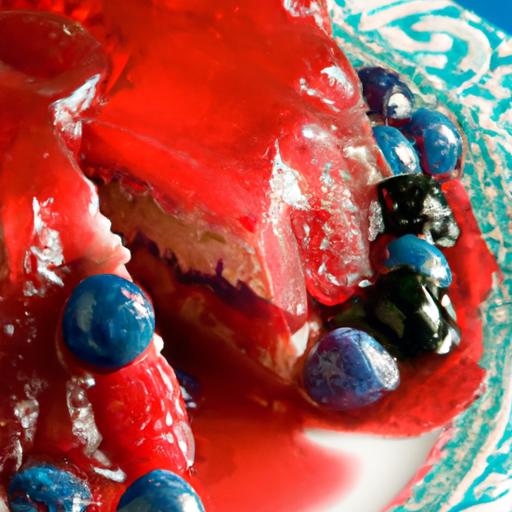

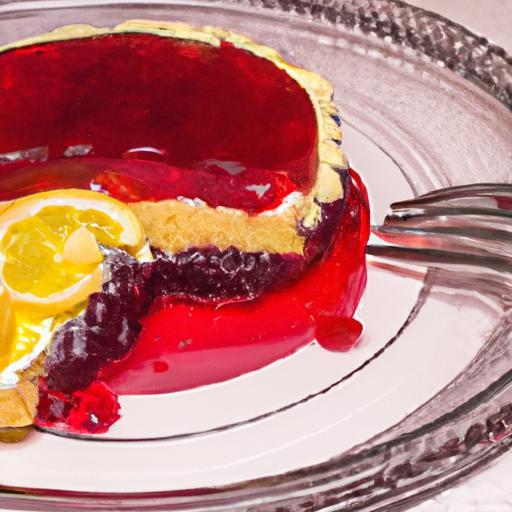
There’s something whimsically enchanting about a jelly cake-a dessert that gleams with translucent layers, wobbles with playful delight, and promises a burst of flavor in every jiggle. Beyond its eye-catching appearance, the art of crafting a jelly cake is a interesting blend of science and creativity, marrying gelatin’s unique properties with vibrant fruits, creams, and intricate designs. In this article, we’ll unravel the secrets behind this delightful, wobbly treat, exploring its origins, techniques, and the charming ways it continues to captivate dessert lovers around the world. Whether you’re a curious novice or a seasoned sweet-maker, prepare to dive into the colorful, shimmering world of jelly cakes.
The Art of Jelly Cake: A Delightful, Wobbly Treat Explained
The art of jelly cake: a delightful, wobbly treat explained leads us on a flavorful journey that marries tradition with modern creativity. This beloved dessert, with its shimmering layers and buoyant texture, originated centuries ago in East Asia and has as captivated palates worldwide.It’s not just a feast for the eyes but a cultural icon symbolizing celebration, joy, and the playful side of gastronomy.
Prep and Cook Time
- Planning: 25 minutes
- Cooking: 45 minutes
- Setting time (chilling): 4 hours minimum
Yield
Serves 8 generous slices
Difficulty Level
Medium – Ideal for adventurous bakers cozy with precise measurements and layering techniques
Ingredients
- 2 cups fruit juice (e.g.,pineapple,orange,or berry blend),strained
- 1/2 cup granulated sugar,adjust to taste
- 3 tablespoons gelatin powder (or agar-agar for a vegetarian option)
- 1 teaspoon lemon juice (brightens flavor)
- 1 cup heavy cream (for creamy layers)
- 1/4 cup powdered sugar (for whipped cream layers)
- Fresh fruit slices (e.g., kiwi, strawberries, mango) for embedding and garnish
- Optional: edible flowers or mint leaves for decoration
Instructions
- Prepare the gelatin: Sprinkle gelatin powder evenly over 1/2 cup of cold fruit juice. Let it bloom for 5-7 minutes until fully absorbed.
- Heat the juice mixture: In a saucepan, combine the remaining fruit juice and sugar. Gently heat over medium heat,stirring until the sugar dissolves,but do not boil.
- Dissolve the gelatin: Remove the pan from heat and whisk in the bloomed gelatin until completely dissolved. Add lemon juice for balance.
- Set the first layer: Pour a thin layer of the jelly mixture into a greased or silicone-lined mold. Refrigerate for 30-45 minutes until firmly set but still slightly tacky.
- Create creamy layers: Whip the heavy cream with powdered sugar to soft peaks. Gently fold into a portion of the jelly mixture cooled to room temperature for a smooth, cloudy gelatin layer.
- Add fruit and layers: Alternate between clear jelly, creamy jelly, and vibrant fresh fruit slices. Each layer should chill and set before adding the next to preserve sharp,distinct lines and prevent bleeding of colors.
- Chill fully: After the final layer, refrigerate the entire cake for at least 4 hours, ideally overnight, to allow flavors and textures to meld perfectly.
- Unmold with care: Dip the mold briefly in warm water without letting water touch the jelly surface. Invert gently onto a serving plate to reveal the spectacular wobble.
Chef’s Notes
- For a vegan-kind jelly cake, substitute gelatin with agar-agar powder but note agar sets firmer and sets at room temperature.
- Adjust sweetness by balancing fruit juice and sugar; tart fruits often need more sugar for harmony.
- If your jelly is too soft, increase gelatin by 0.5 teaspoons next time; if too firm, reduce slightly.
- to prevent fruit browning, briefly toss slices in lemon juice before embedding.
- Make ahead: Jelly cake can be assembled up to 24 hours before serving and kept refrigerated in an airtight container.
- Use clear molds for mesmerizing layers or colorful silicone molds for fun shapes-both add personality.
Creative flavor Combinations and Stunning Presentation Ideas
Innovate by pairing tropical juices like passionfruit and coconut with creamy coconut milk layers for a summery vibe. Alternatively, experiment with layered herbal infusions-think hibiscus and green tea jelly with a honey cream. Presentation is key to this dazzling dessert. Use transparent or geometric molds to showcase vivid layers. Garnish with edible gold leaf,fresh berries,or mint sprigs to elevate its festive charm.
Essential Tips for Baking and storing your Wobbly Delight
Always measure gelatin precisely and bloom it properly for that signature jelly cake bounce. Use chilled bowls and containers to speed up setting times between layers. Store your finished cake covered with plastic wrap or in a cake dome in the refrigerator to maintain moisture and prevent odor absorption. Avoid freezing as it can alter texture and cause water leakage upon thawing.
Serving Suggestions
Slice with a warm, wet knife for perfect edges. Serve chilled and accompanied by a dollop of lightly whipped cream or a drizzle of fruit coulis for added brightness. Pair your jelly cake with a light jasmine tea or a sparkling elderflower beverage to complement its delicate sweetness.

| Nutrient | Per Serving |
|---|---|
| Calories | 180 kcal |
| Protein | 3 g |
| Carbohydrates | 30 g |
| Fat | 6 g |
Explore more dessert creativity with our Creative Dessert Recipes,or deepen your understanding of gelatin science with this detailed article from ScienceDirect.
Q&A
Q&A: The Art of Jelly Cake – A Delightful, Wobbly Treat Explained
Q1: What exactly is a jelly cake?
A: Imagine a dessert that dances on your tongue with a playful jiggle-that’s a jelly cake! At its core, it’s a layered dessert made primarily from flavored gelatin, artfully suspended fruits, creams, or cake bases, creating a translucent, wobbly masterpiece that’s as pleasing to the eye as it is indeed to the palate.
Q2: How did jelly cakes come to be?
A: Jelly cakes have roots stretching back centuries, when gelatin was first extracted from animal collagen and used to create molded desserts. Over time, creative bakers combined these jiggly gels with cakes and fruits, turning simple gelatin molds into whimsical layered treats celebrated in both European and Asian culinary traditions.Q3: What makes jelly cake different from a regular cake?
A: Unlike traditional sponge cakes,the jelly cake’s star ingredient is gelatin-providing that signature wobble and translucency. While sponge cakes boast fluffy crumb and buttery richness, jelly cakes enchant with their cool, smooth texture and vibrant, shimmering layers that seem almost magical on your plate.
Q4: What are the key ingredients in a jelly cake?
A: The essentials include gelatin (or plant-based alternatives like agar-agar), flavored liquids such as fruit juices or infused syrups, fresh fruits for decoration and texture, and sometimes a cake or mousse base for contrast. cream or condensed milk might be added to certain layers, creating luscious opaqueness amid the translucent realms.
Q5: Is making a jelly cake tough?
A: The craft requires patience and a little precision but is wonderfully rewarding. Each gelatin layer must be carefully set before pouring the next, ensuring sharp lines and vibrant color contrasts. It’s less about baking and more about artful assembly-think of it as painting with flavors and textures in three dimensions.Q6: Can jelly cakes be customized?
A: Absolutely! Jelly cakes are a playground for creativity. Swap colors, experiment with exotic fruits, infuse herbal teas or sparkling juice, or craft themed designs for special occasions-there’s no limit to the imagination you can pour into these shimmering delights.
Q7: How should jelly cakes be served and stored?
A: Best served chilled, jelly cakes shine after a few hours in the refrigerator when all layers have perfectly set.Due to their gelatin content, keep them cool to maintain that iconic wobble and prevent melting.Serve with a gentle slice and a light hand to preserve the dazzling layers.
Q8: What’s the appeal of jelly cake in today’s dessert scene?
A: In a world craving both nostalgia and novelty, jelly cakes offer a striking fusion-old-world charm meets Instagram-worthy aesthetics. Their light, refreshing quality and playful texture make them a delightful alternative to heavier desserts, perfect for celebrations or simply lifting your spirits with a little wobbly joy.
Dive into making or tasting a jelly cake, and you’ll discover a dessert as charmingly whimsical as it is indeed flavorful-a shimmering, wobbly piece of edible art!
To Wrap It Up
In the world of desserts, the jelly cake stands out not just for its playful wobble but for the artistry and tradition that transform simple ingredients into a mesmerizing treat. Whether layered with vibrant fruits, infused with delicate flavors, or adorned with whimsical shapes, jelly cake invites both the eyes and palate to a joyful celebration. Understanding the techniques behind its creation reveals more than just a recipe-it uncovers a culinary craft where science meets creativity. So next time you slice through that shimmering,jiggle-worthy masterpiece,savor not only the taste but the story and skill that make jelly cake a truly delightful experience.