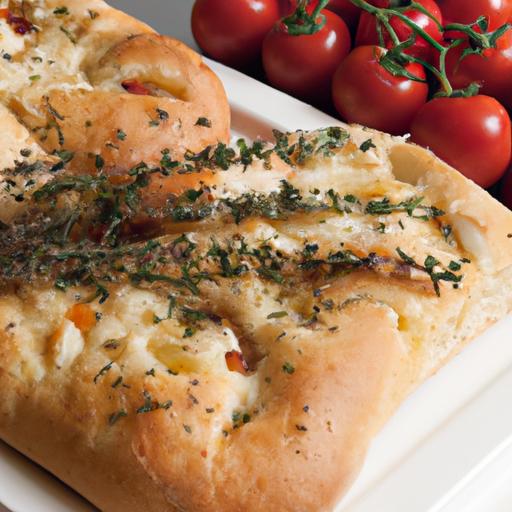

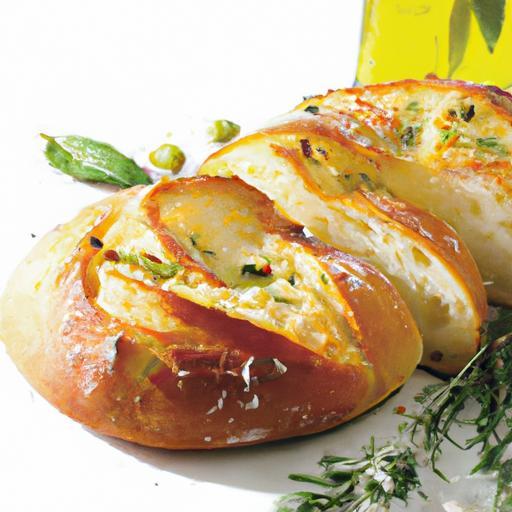
There’s a certain magic that happens when wild yeast meets simple ingredients, transforming humble dough into a golden, aromatic masterpiece. Sourdough focaccia-a harmonious blend of tangy depth and pillowy softness-is more than just bread; it’s an experience that captures centuries of tradition and the precise rhythms of fermentation science. In this article, we will journey through the art and science behind crafting sourdough focaccia bliss, unraveling the secrets that turn flour, water, salt, and time into a luscious canvas of flavor and texture. Whether you’re a curious home baker or a seasoned artisan, prepare to dive into techniques, tips, and the delicate dance of nature’s microbes that make each bite a celebration of heritage and craftsmanship.
The Art and Science of Crafting Sourdough Focaccia Bliss begins with a magical balance of flour and water-an elemental union that sparks the creation of a lively sourdough starter. This living culture not only anchors the dough’s rise but breathes complexity and earthy aroma into every crumb. Mastering dough hydration techniques is key to achieving that coveted feather-light, pillow-soft focaccia texture, while controlled fermentation unlocks layers of intense flavor that make each bite unforgettable. Paired with artful toppings and the final fragrant drizzle of olive oil,this focaccia transforms into a sensory masterpiece that beckons both novice and seasoned bakers alike.
Prep and Cook Time
- Readiness: 20 minutes (active), plus 12-18 hours for sourdough starter progress and dough fermentation
- Cook Time: 25-30 minutes
Yield
One 9×13 inch focaccia, serving 8 generous slices
Difficulty Level
Medium – Requires patience with fermentation but simple techniques
Ingredients
- For the Sourdough Starter:
- 50g whole wheat flour, sifted
- 50g unbleached all-purpose flour
- 100g filtered water, room temperature
- 1 tbsp active sourdough starter (if available) or wild yeast from environment
- For the Focaccia dough:
- 300g all-purpose flour, sifted
- 150g bread flour
- 325g filtered water, lukewarm (about 75°F/24°C)
- 150g ripe sourdough starter (fed and bubbly)
- 10g fine sea salt
- 50g extra virgin olive oil, plus more for drizzling
- Coarse sea salt, for finishing
- Artful Toppings:
- Fresh rosemary sprigs
- Thinly sliced red onions
- Kalamata olives, pitted and halved
- Cherry tomatoes, halved
- Flaky sea salt and cracked black pepper
Instructions
- Build your sourdough starter: In a clear jar, mix whole wheat flour, all-purpose flour, and filtered water with 1 tbsp mature starter (if using). Stir well, cover loosely with a cloth, and leave at room temperature. Feed daily with equal parts flour and water until bubbly and doubling in size (~5-7 days).
- Mix the dough: In a large bowl, whisk together all-purpose and bread flour. Add lukewarm water and gently stir until no dry flour remains. Cover and rest 30 minutes for autolysis (this improves gluten development).
- Add starter and salt: Incorporate the ripe sourdough starter and sea salt into the dough. Mix thoroughly by hand or with a dough scraper until smooth and elastic (about 5 minutes). Gradually add 50g olive oil, folding it in to infuse the dough with richness.
- Bulk fermentation: Cover the dough and let it ferment at room temperature for 4-6 hours.Every 30 minutes for the first 2 hours, perform gentle stretch and folds-lift the dough from the edge and fold it over the centre to build structure.
- Shape your focaccia: Generously oil a 9×13 inch baking pan. Transfer dough, gently pressing it with oiled fingers to fit the pan, creating those signature dimples that hold flavor and oil.
- Final proof: Cover loosely and allow dough to rise another 1.5-2 hours until puffy and nearly doubled.
- Add toppings and bake: Drizzle with remaining olive oil, scatter rosemary, sliced onions, olives, and tomatoes evenly. Sprinkle with flaky sea salt and cracked pepper. Bake in a preheated 450°F (230°C) oven for 25-30 minutes, until golden brown and crisp on edges.
- Cool and serve: Let focaccia cool slightly,then garnish with an extra drizzle of olive oil. Slice and enjoy warm or at room temperature for an irresistible aroma and flavor explosion.
Tips for Success
- Timing is everything: Don’t rush fermentation; it’s the secret behind profound flavor and airy texture.
- If your starter is too acidic or sluggish, feed it more frequently or switch to warmer ambient temperatures.
- Use filtered water to avoid chlorine that can hinder yeast activity.
- For an ultra-lush crumb, try folding 1-2 tablespoons of olive oil into dough during bulk fermentation steps.
- Make ahead: The focaccia dough can be refrigerated overnight after shaping for deeper flavor and convenience.
serving Suggestions
Serve your sourdough focaccia as a centerpiece for Mediterranean-inspired meals. Pair with small dishes like marinated olives, fresh burrata, or a colorful antipasto platter. It shines alongside rich stews, fresh salads, or simply with a bowl of herb-infused olive oil for dipping. Garnishes like fresh basil, lemon zest, or a sprinkle of parmesan elevate each bite to restaurant-worthy status.

| Nutrient | Per Serving (1 slice) |
|---|---|
| Calories | 240 kcal |
| Protein | 6 g |
| Carbohydrates | 34 g |
| fat | 8 g |
For further baking inspiration, explore our complete sourdough resources. To deepen your knowledge of fermentation science, visit the Science of Bread Institute.
Q&A
Q&A: The Art and Science of Crafting Sourdough Focaccia Bliss
Q1: What makes sourdough focaccia different from regular focaccia?
A1: At its heart, sourdough focaccia is a beautiful marriage of artisanal tradition and live wild yeast cultures. Unlike commercial yeast-based focaccia, sourdough relies on a natural starter, giving the bread a complex, tangy flavor and an open, airy crumb. This fermentation dance brings depth, character, and that signature chewiness that turns a simple flatbread into bliss on a plate.
Q2: Why is sourdough starter so essential in this recipe?
A2: The sourdough starter is the living soul of the focaccia. It’s a bubbling ecosystem of wild yeasts and lactobacilli that ferment the dough slowly, producing flavorful acids and gases. This slow fermentation not only leavens the focaccia but also enhances its aroma and texture. The starter’s balanced acidity helps strengthen the gluten network, creating that perfect crisp crust with a tender interior.
Q3: Can you explain the science behind the dough’s hydration level?
A3: Hydration is the amount of water relative to flour in your dough-and with focaccia, it’s notoriously high, frequently enough 70% or more. This generous water content yields an open crumb structure, soft texture, and those trademark gloriously large bubbles. Scientifically, the water loosens gluten strands, allowing them to stretch and trap more gas during fermentation, which leads to an airy, pillowy focaccia that nearly melts in your mouth.Q4: How significant is the fermentation time and temperature?
A4: Crucial! Fermentation is where magic happens. A longer, slower ferment (think 12-24 hours in the fridge) lets the sourdough starter work its flavor-enhancing alchemy. Cool temperatures slightly slow yeast activity but encourage lactobacilli growth, resulting in a nicely balanced tang with aromatic complexity.Conversely, warmer temps speed up fermentation but can sacrifice some depth of flavor. Timing and temperature are your levers to orchestrate a focaccia symphony.Q5: What role do toppings play in the overall experience?
A5: Toppings are the finishing brushstrokes on your edible canvas. Classic rosemary and flaky sea salt awaken the herbal and mineral notes, while olive oil infuses richness and helps form a golden, crisp crust. But creativity reigns supreme-think caramelized onions, roasted garlic, cherry tomatoes, or even a sprinkle of za’atar.Each topping adds texture, aroma, and personality, elevating your focaccia from bread to art.
Q6: Any tips for achieving that perfect golden crust?
A6: To reach focaccia nirvana with a golden, crackly crust, coat your dough generously with extra virgin olive oil before baking. This oil creates a barrier that crisps up beautifully in the oven’s radiant heat. Also, baking on a preheated stone or steel surface helps conduct intense heat evenly. a swift upward of salt between the dimpled dough pockets sets off a satisfying crunch and flavor contrast.
Q7: How does dimpling the dough affect the final focaccia?
A7: Those characteristic dimples aren’t just charming-they’re functional! Finger dimpling creates pockets that hold olive oil and toppings, infusing flavor deep into the bread. Plus, the indentations slow the dough from rising too much, maintaining the focaccia’s rustic flatness and encouraging an even crumb texture with delightful chewiness.
Q8: What’s the best way to serve and enjoy sourdough focaccia?
A8: Focaccia is wonderfully versatile-eat it warm straight from the oven for a cloud-like experience with crispy edges, or at room temperature alongside antipasti, soups, or salads. It’s a perfect canvas for dipping in herbed oils or balsamic reductions. Leftovers toast up beautifully,making it an all-day delight that satisfies both the palate and the soul.
Q9: Can beginners successfully bake sourdough focaccia at home?
A9: Absolutely! While sourdough baking can seem intimidating, focaccia is surprisingly forgiving thanks to its high hydration and simple shaping. Embrace patience during fermentation and don’t stress over imperfections-they add rustic charm. With a bit of practice, you’ll transform handfuls of flour, water, and salt into mouthwatering, deeply satisfying sourdough focaccia bliss.
Q10: What’s the magic secret to truly blissful sourdough focaccia?
A10: The secret lies in the perfect blend of artistry and science-respecting the dough’s natural fermentation rhythms, honoring quality ingredients (especially olive oil), and loving the process as much as the product. When care, curiosity, and a dash of patience combine, each bite becomes a celebration of tradition, flavor, and that indescribable joy only freshly baked sourdough focaccia can bring.
The Conclusion
As the final golden crust pulls away, revealing the tender, airy crumb within, you realize that crafting sourdough focaccia is more than just a recipe-it’s a harmonious blend of patience, technique, and a touch of intuition. this ancient art,rooted in both science and tradition,invites bakers to explore the delicate dance of fermentation,hydration,and flavor development. Whether you’re a seasoned sourdough savant or a curious beginner, each batch of focaccia offers an opportunity to connect with the transformative power of simple ingredients turned exceptional. So gather your flour and starter,embrace the process,and let your hands guide you toward that blissful bite-a testament to the beautiful marriage of art and science in every loaf.