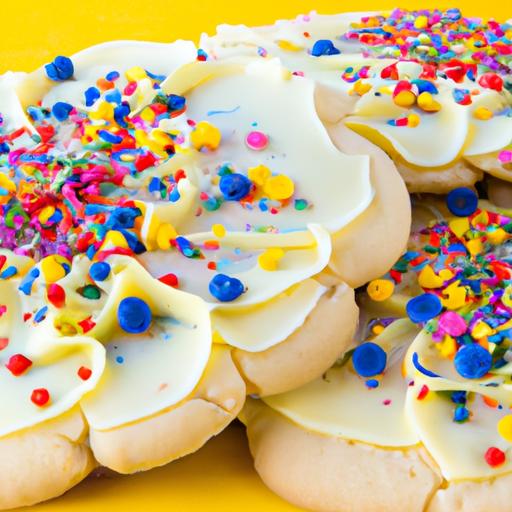

There’s something irresistibly enchanting about a perfectly frosted cookie – a delicate canvas where sugar, colour, and creativity converge to transform a humble treat into a miniature masterpiece. Beyond their sugary allure lies an intricate world of techniques, tools, and artistic flair that elevate these confections from mere desserts to edible art. In “Sweet Artistry: The Magic Behind Frosted Cookies,” we peel back the layers of frosting to reveal the skill, passion, and imagination that turn simple dough into dazzling delights, inviting you to savor not just their flavor, but the artistry that makes each cookie truly magical.
Sweet Artistry unlocks the secrets to achieving the perfect frosting texture and harmonious flavors that bring frosted cookies to life, making every bite a sensory delight. Understanding how sugar crystals interact with fats and liquids is essential for creating that smooth,creamy icing that holds shape yet melts tenderly on the palate. Equally important is mastering the subtle dance of balancing sweetness with complementary flavors that elevate your cookies beyond simple treats into miniature masterpieces.
Prep and Cook Time
- Preparation: 30 minutes
- Cook/bake: 15 minutes
- Decorating: 1-2 hours (varies by design complexity)
- Total Time: Approximately 2 hours
Yield
- 24 medium-sized frosted cookies (3-inch diameter)
Difficulty Level
- Intermediate
ingredients
- for the Cookies:
- 2 ¾ cups all-purpose flour, sifted
- 1 teaspoon baking powder
- ½ teaspoon salt
- 1 cup unsalted butter, softened
- 1 ½ cups granulated sugar
- 2 large eggs, room temperature
- 2 teaspoons pure vanilla extract
- ¼ cup whole milk, room temperature
- For the Royal Icing:
- 4 cups powdered sugar, sifted
- 3 tablespoons meringue powder
- ½ cup warm water (adjust as needed)
- Food coloring gels in desired hues (gel recommended for color vibrancy)
- 1 teaspoon lemon juice (for brightness and balancing sweetness)
Instructions
- Prepare the Cookie Dough: In a large bowl, whisk together the flour, baking powder, and salt. Set aside.
- Cream Butter and Sugar: Using a stand mixer fitted with a paddle attachment, beat the butter and granulated sugar on medium speed until light and fluffy, about 3 minutes.
- Add Eggs and Vanilla: Incorporate the eggs one at a time, beating well after each addition. Mix in the vanilla extract.
- Combine Wet and Dry: Gradually add the dry ingredients alternately with the milk, mixing on low speed until just combined. Avoid overmixing for tender cookies.
- Chill the Dough: divide the dough into two discs, wrap with plastic wrap, and refrigerate for at least 1 hour to enhance rollability and shape retention.
- Roll and Cut: Preheat oven to 350°F (177°C).Roll chilled dough on a lightly floured surface to ¼-inch thickness. use cookie cutters to shape, transferring them carefully to a parchment-lined baking sheet.
- Bake: Bake for 12-15 minutes until edges are just golden. Cool wholly on wire racks before decorating.
- Mix Royal Icing: In a clean bowl, combine powdered sugar, meringue powder, and warm water. Beat with a hand mixer on medium-high speed for 7-10 minutes until glossy peaks form.
- Adjust Consistency: For outlining, the icing should be thick enough to hold peaks; for flooding, thin with a few drops of water until it flows smoothly but not runny.
- Color Your Frosting: divide icing into small bowls and add gel coloring in small increments. Mix until uniform. Practice color blending by layering shades into gradients or marbled effects-this technique adds depth and realism to your designs.
- Decorate: Using piping bags fitted with fine round tips,outline cookie shapes first and let dry 10 minutes. slowly flood inside outlines with thinner icing. Use a toothpick or small brush to smooth and blend colors for seasonal artistry.
- Dry Completely: Allow cookies to dry at room temperature for at least 4 hours or overnight for a flawless finish. Store in an airtight container.
tips for Success: Elevating Your Frosted Cookie Creations
- For a silkier texture, incorporate a small amount of corn syrup into the royal icing.
- Use gel food colors to prevent thinning your icing consistency.
- If your icing thickens during decorating, stir gently or add a few drops of water to achieve the desired flow.
- To master color blending, mix 2-3 shades with progressively lighter tinting to create ombré effects-this technique captivates the eye.
- Invest in quality piping bags and tips like Wilton #1 or #2 for precision work.
- Allow cookies to cool completely before frosting to prevent melting and color bleeding.
- Make-ahead tip: Cookies freeze well, and icing can be prepared days in advance, stored covered with plastic wrap.
Serving Suggestions
Present your beautifully iced cookies on a decorative platter lined with pastel-colored doilies or rustic wooden boards for contrast. Garnish plates with edible gold leaf flakes or a dusting of finely grated citrus zest to complement the frosting’s subtle lemon brightness.Pair with fragrant teas or a chilled glass of sparkling lemonade to highlight the sweet artistry in every bite.
Nutritional Information (Per Cookie)
| Calories | Protein | Carbs | Fat |
|---|---|---|---|
| 180 | 2g | 30g | 7g |
Related Reading: Enhance your decorating finesse with our Guide to Piping Techniques. For scientific insights on icing chemistry, visit Serious eats’ Royal icing Science.

Q&A
Q&A: Sweet Artistry – The Magic Behind Frosted Cookies
Q1: What makes frosted cookies more than just a simple treat?
A1: Frosted cookies transcend their humble origins by becoming miniature canvases of edible art.The marriage of soft, buttery cookie bases with vibrant, glossy frosting creates not just a burst of flavor, but a sensory experience that delights both the eyes and the palate. Each swirl and sprinkle is a brushstroke in the bakery’s masterpiece,turning snacks into stories.
Q2: How does frosting transform the texture and flavor of a cookie?
A2: frosting introduces a silky, creamy layer that contrasts beautifully with the cookie’s tender crumb or crisp edge. It adds moisture and richness, amplifying sweetness while balancing flavors with hints of vanilla, citrus, or spices infused within. This interplay elevates a simple bite into a multi-dimensional treat, where crunch meets velvety smoothness.
Q3: What ingredients are essential for creating the perfect frosting?
A3: the heart of classic frosting lies in powdered sugar for that dreamy sweetness and smoothness, softened butter or shortening for creaminess, and a splash of flavor extract – vanilla being the most beloved. Sometimes a dash of milk or cream helps achieve the ideal spreadable consistency. For artistic flair, edible colors and decorative sugars turn frosting into a palette brimming with possibility.
Q4: How do bakers achieve those intricate designs on frosted cookies?
A4: Intricate designs are crafted through a blend of patience, skill, and the right tools. Piping bags with fine tips allow for delicate lines and detailed patterns, while flooding techniques create smooth surfaces perfect for layering colors. Bakers often sketch their ideas beforehand, carefully layering colors as each dries, building depth one edible brushstroke at a time.
Q5: Can frosted cookies be a form of personal or cultural expression?
A5: absolutely! Frosted cookies serve as edible expressions of party, heritage, and creativity. Whether adorned with seasonal motifs, personalized messages, or customary symbols, they connect baker and eater in a shared story. From festive holidays to weddings, these sweet artworks capture moments in time, making flavor and form inseparable storytellers.
Q6: What tips do experts recommend for beginners wanting to try frost decorating at home?
A6: Start simple: master a basic royal or buttercream frosting first, than practice steady piping on parchment paper before decorating cookies. Invest in a few key tools like piping bags and various nozzles, and don’t rush-letting layers dry between colors prevents smudging. Most importantly, have fun-mistakes often lead to unique, creative results!
Q7: Why do frosted cookies continue to captivate bakeries and sweet lovers worldwide?
A7: Frosted cookies encapsulate the universal joy of creativity, comfort, and celebration. They’re approachable art-accessible to novices and professionals alike-that bring smiles across ages and cultures. Their magic lies in transforming simple ingredients into moments of delight, making every bite a sweet memory crafted with care.
Concluding remarks
As the final swirl of icing settles and the last sprinkle finds its place, we come to appreciate that frosted cookies are far more than just a treat-they are edible expressions of creativity and care. Behind every vibrant hue and delicate design lies a blend of skill, patience, and a touch of magic that transforms simple dough into sweet artistry. Whether crafted by professional hands or homemade with love, these frosted delights remind us that sometimes, the most memorable masterpieces are the ones you can taste. so next time you savor a perfectly decorated cookie, take a moment to marvel at the story and craft woven into its sugary surface-as in the world of frosted cookies, art truly is appetizing.