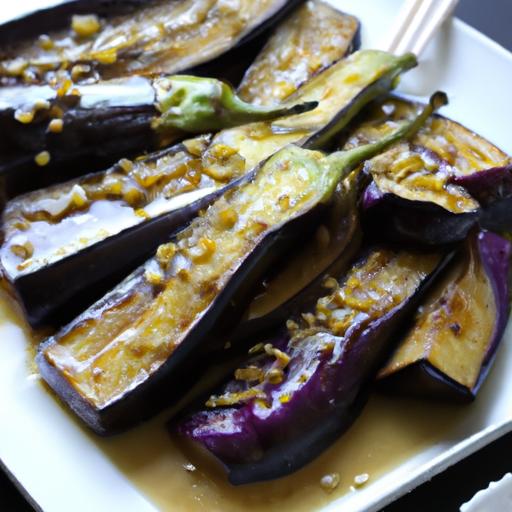

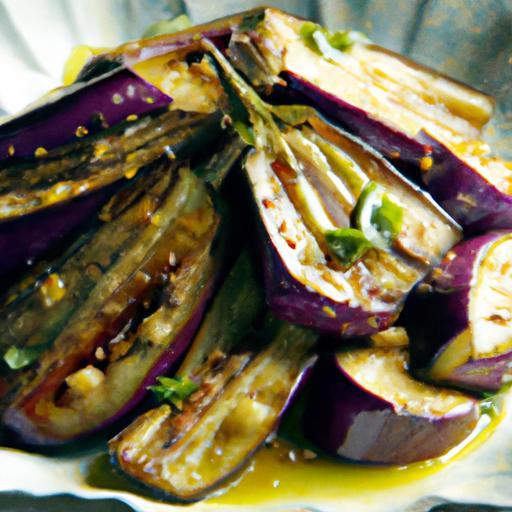
In the vibrant tapestry of Chinese cuisine, few ingredients boast the versatility and subtle charm of the humble eggplant. Often overlooked, this glossy purple vegetable transforms effortlessly under the right touch-absorbing sauces, melding with spices, and unveiling layers of flavor that dance on the palate. “Savoring the flavors: A Guide to Chinese Eggplant Dishes” invites you on a culinary journey through kitchens where tradition meets innovation, revealing how eggplant takes center stage in an array of dishes that are as comforting as they are captivating. From fiery Sichuan stir-fries to silky braised delights, discover how this modest ingredient embodies the essence of Chinese cooking-bold, balanced, and beautifully nuanced.
Savoring the Flavors: Chinese eggplant is a hidden gem in Asian cuisine, celebrated not only for its vibrant violet skin but for its uniquely tender flesh and subtle sweetness. Its velvety texture absorbs sauces beautifully, making every bite an indulgent balance of silky softness and vibrant umami. Growing up, I recall my family’s kitchen filling with aromatic steam as my grandmother transformed humble eggplants into exquisite dishes-from fiery Szechuan stir-fries bursting with chili heat to the delicate Cantonese braised versions enriched by soy and ginger. This guide will inspire you to explore the intricacies of cooking this versatile vegetable and bring authentic Chinese flavors alive in your own home kitchen.
Prep and Cook Time
- Readiness: 15 minutes
- Cooking: 20 minutes
- Total Time: 35 minutes
Yield
- Serves 4
Difficulty Level
- Medium – Perfect for home cooks eager to dive deeper into Chinese eggplant dishes
Ingredients
- 3 medium Chinese eggplants (about 1.5 lbs), cut into 2-inch sticks
- 3 tablespoons vegetable oil (preferably peanut or canola oil)
- 4 cloves garlic, minced
- 1-inch piece fresh ginger, grated
- 2 scallions, finely sliced (white & green parts separated)
- 1 red chili, thinly sliced (adjust to taste)
- 2 tablespoons soy sauce (light or regular)
- 1 tablespoon dark soy sauce (for color and depth)
- 1 tablespoon Chinese black vinegar or rice vinegar
- 1 tablespoon Shaoxing wine (optional)
- 1 teaspoon sugar (to balance acidity)
- 1 teaspoon cornstarch mixed with 1 tablespoon water (slurry)
- Fresh cilantro leaves for garnish
Instructions
- Prepare the eggplant: Rinse and pat dry. Cut the eggplants into uniform sticks to ensure even cooking.
- Sauté aromatics: Heat 2 tablespoons vegetable oil in a large wok or skillet over medium-high heat. Add the minced garlic, grated ginger, and white parts of scallions. Stir-fry for about 1 minute untill fragrant but not browned.
- Cook the eggplant: add the eggplant sticks to the wok and spread them out. Sauté without stirring for 3 minutes to allow the eggplant to start caramelizing, then gently toss and stir for another 5 minutes until soft and tender. Add extra oil if needed-it helps maintain silkiness.
- Build the sauce: Stir in soy sauce, dark soy sauce, black vinegar, Shaoxing wine, and sugar. Toss well to coat the eggplant evenly. Let the sauce bubble gently for 2 minutes,allowing flavors to meld.
- Thicken the sauce: Give the cornstarch slurry a quick stir, then pour it into the wok while stirring constantly. The sauce will thicken and cling to each tender eggplant piece beautifully.
- Finish and garnish: Stir in sliced chili and the green parts of the scallions for fresh color and a slight crunch. Remove from heat and transfer to a serving dish. Sprinkle with fresh cilantro leaves to brighten the dish.
Tips for Perfectly Cooking Chinese Eggplant Every Time
- Choose fresh eggplants: Look for smooth, unblemished skin and firm flesh that springs back when pressed.
- Don’t skimp on oil: Chinese eggplant soaks up oil readily, which keeps it creamy and luscious rather than dry.
- cook over medium-high heat: This preserves the eggplant’s tender yet slightly smoky character-avoid over-stirring to promote caramelization.
- Customize your heat level: Add more sliced chili or a splash of chili oil for a classic Szechuan kick.
- Make-ahead: This dish can be prepared in advance. Reheat gently in a pan with a splash of water or broth to refresh the sauce.
Exploring Classic Recipes: from Szechuan to Cantonese
Chinese eggplant takes center stage across many regional dishes. In Szechuan cuisine, the eggplant is frequently enough paired with bold chili bean paste (“doubanjiang”) and garlic, delivering a fiery, tongue-tingling experience.contrastingly, the Cantonese style focuses on subtle soy-based braises enriched with ginger, offering a delicate interplay of umami that highlights the vegetable’s silky texture. Try classic dishes like Yu Xiang Qiezi (fish-fragrant eggplant) or Cantonese steamed eggplant with garlic sauce to dive deeper into these traditions.
Serving Suggestions
- Serve warm alongside fragrant jasmine rice or steamed buns to soak up the luscious sauce.
- Complement with a crisp cucumber salad dressed with rice vinegar for refreshing contrast.
- Garnish with toasted sesame seeds or crushed peanuts for an added textural surprise.
- Pair with simple stir-fried greens like bok choy or gai lan (Chinese broccoli) for a balanced, colorful meal.
| Nutrient | Per Serving |
|---|---|
| Calories | 180 |
| Protein | 3g |
| Carbohydrates | 14g |
| Fat | 13g |
Discover more Chinese vegetable stir-fry recipes here.
For a deeper dive into Chinese culinary techniques and ingredient authenticity,visit China Sichuan Food.

Q&A
Savoring the Flavors: A Guide to Chinese Eggplant Dishes – Q&A
Q1: What makes Chinese eggplant unique compared to other varieties?
A1: Chinese eggplants are slender,elongated,and typically have a deep purple hue. They differ from their globe-shaped relatives with a thinner skin and fewer seeds, which contributes to a tender texture and a delicate, slightly sweet flavor that soaks up sauces beautifully – making them a chef’s dream in Chinese cuisine.
Q2: Why is eggplant such a popular ingredient in Chinese cooking?
A2: Eggplant’s sponge-like flesh is exceptionally versatile, absorbing bold flavors and seasonings like soy sauce, garlic, chili, and fermented black beans. Its ability to transform-from silky stir-fries to rich braises-allows it to complement a wide array of Chinese flavor profiles, from sweet and savory to spicy and tangy.
Q3: What are some classic Chinese eggplant dishes worth trying?
A3: A few must-try classics include:
- Yu Xiang Qiezi (Fish-Fragrant Eggplant): Despite the name, this dish contains no fish; it features eggplant stir-fried with garlic, ginger, pickled chilies, and fermented bean paste for a tangy, sweet-spicy symphony.
- Eggplant in Garlic Sauce: simple yet flavorful, this dish highlights eggplants bathed in a vibrant, garlicky sauce with a hint of heat.
- Steamed Eggplant with Soy Dressing: A lighter option where eggplant is steamed until silky, then drizzled with a mixture of soy sauce, sesame oil, and scallions.
Q4: How should I prepare Chinese eggplant for the best texture?
A4: Because Chinese eggplants have thinner skin and less bitterness, you can usually skip salting. For a tender, melt-in-mouth texture, stir-fry or braise the eggplant until it becomes soft and almost creamy. Another great method is roasting or steaming, which preserves moisture and intensifies flavor.
Q5: Can I substitute Chinese eggplant with other types if I can’t find it?
A5: While globe eggplants can work in a pinch, expect a firmer texture and slightly different flavor. To mimic the delicate softness of Chinese eggplant, try peeling the skin and cooking a bit longer. Japanese eggplants are a closer relative and make an excellent substitute due to similar shape and texture.
Q6: What flavors and ingredients pair best with Chinese eggplant?
A6: Chinese eggplant thrives alongside garlic, ginger, scallions, chili, fermented black beans, soy sauce, rice vinegar, and a touch of sugar. Incorporating ground pork or shrimp can add savory depth, but vegetarian or vegan versions shine thanks to the eggplant’s natural richness and the interplay of umami-packed sauces.
Q7: Is Chinese eggplant a healthy choice?
A7: Absolutely! Chinese eggplant is low in calories and rich in dietary fiber, antioxidants, and essential vitamins like B1 and B6.Its ability to absorb flavors means you can create mouthwatering dishes without heavy use of fats, promoting a balanced, flavorful diet.
Q8: How can I introduce Chinese eggplant dishes to someone new to this vegetable?
A8: Start with approachable flavors, like the garlicky stir-fry or a mildly spiced braise, emphasizing the silky texture and inviting aroma. Pair eggplant dishes with steamed rice and familiar accompaniments,creating a harmonious meal that gently invites exploration of Chinese culinary tradition.
Dive into these vibrant recipes and savor the subtle sweetness, silky softness, and bold flavors of Chinese eggplant – a vegetable that truly reveals the art of flavor absorption and balance!
Future Outlook
As our culinary journey through the vibrant world of Chinese eggplant dishes comes to a close, it’s clear that this humble vegetable holds a universe of flavors waiting to be discovered. From the silky, savory notes of braised eggplant to the zesty kick of spicy garlic stir-fries, each recipe invites you to savor not just a meal, but a tradition rich in history and taste.Whether you’re a seasoned chef or a curious foodie, embracing the versatility of Chinese eggplant can transform your cooking and dining experience into an adventure of textures, colors, and aromas. So next time you’re seeking a dish that’s both comforting and exciting, remember: the magic lies in the eggplant-one bite at a time.