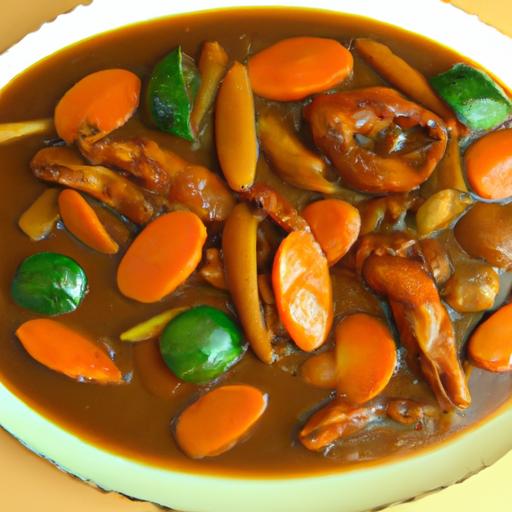

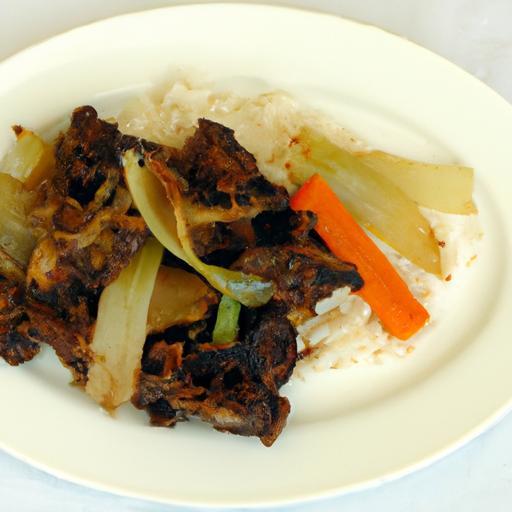
Imagine a culinary journey where every bite tells a story-of vibrant islands, sun-soaked markets, and centuries-old traditions simmering in fragrant pots. filipino cuisine is a tapestry woven from diverse influences, bold flavors, and heartfelt family recipes passed down through generations. In this article, “Savor the Flavors: Must-Try Filipino Dish Recipes Revealed,” we invite you to explore the rich and irresistible world of the Philippines’ most iconic dishes. Weather you’re a curious food adventurer or a seasoned gourmand, prepare to uncover the secrets behind these beloved recipes that capture the soul of a nation.Get ready to awaken your palate and bring a taste of the Philippines’ colorful heritage right to your kitchen.
Savor the flavors of Filipino cuisine by mastering one of its most beloved dishes: the iconic Chicken Adobo. this hearty stew,rich with a harmonious blend of vinegar,soy sauce,and garlic,embodies the soul of the Philippines. Passed down through generations, it carries stories of home, resilience, and the simple yet profound joy of sharing a meal. Whether you’re cooking for family or craving a comforting plate, learning the secrets behind traditional Filipino ingredients will elevate your culinary journey.
Prep and Cook Time
- Preparation: 15 minutes
- Cooking: 45 minutes
- Total Time: 1 hour
Yield
Serves 4 generous portions
Difficulty Level
Medium – Perfect for cooks ready to explore bold, layered flavors
Ingredients
- 1.5 lbs bone-in, skin-on chicken thighs (preferably organic for depth of flavor)
- 1/2 cup soy sauce (traditionally Filipino soy sauce like Toyo Mañosa)
- 1/2 cup cane vinegar (or substitute with white vinegar if unavailable)
- 1 cup water
- 6 garlic cloves, crushed and lightly smashed
- 2 bay leaves
- 1 tsp whole black peppercorns
- 2 tbsp cooking oil (preferably coconut or vegetable oil)
- 1 medium white onion, sliced thinly
- 1 tbsp brown sugar (optional, to balance the tanginess)
- Salt to taste
- Cooked jasmine rice or garlic fried rice (for serving)
Instructions
- Marinate the chicken. In a large bowl, combine soy sauce, vinegar, crushed garlic, bay leaves, and peppercorns.Add the chicken thighs and toss well to coat. Let it marinate for at least 30 minutes, or better, overnight in the refrigerator to infuse flavors deeply.
- Prepare the aromatics. Heat oil in a heavy-bottomed skillet over medium heat. Sauté the sliced onions until translucent and fragrant, about 3 minutes.
- Sear the chicken. Drain the chicken from the marinade (reserve the liquid).place chicken skin-side down and sauté until the skin turns golden brown and slightly crisp, around 5-7 minutes. Flip and brown the other side for another 3-4 minutes.
- Add the reserved marinade and water. Pour in the marinade along with 1 cup of water.stir in the brown sugar if using to mellow the acidity of the vinegar. Bring to a gentle simmer.
- Simmer and reduce. Cover and let the adobo cook over low heat for about 30 minutes, or until chicken is tender and cooked through. Remove the lid occasionally to let the sauce reduce and thicken to your preferred consistency.
- Adjust seasoning. Taste and add salt or more vinegar/soy sauce if desired, balancing salty, savory, and tangy notes.
- Serve hot. Plate the chicken with a generous spoonful of sauce over steamed jasmine rice or garlic fried rice to absorb the luscious juices.
Tips for Success
- Use bone-in, skin-on chicken thighs for richer flavor and moist texture. For a leaner option,skinless chicken breasts can be used but tend to dry out faster.
- Marinating overnight allows the vinegar and soy sauce to penetrate deeper,intensifying the flavor.
- Don’t skip browning the chicken. This Maillard reaction adds a smoky richness vital to authentic adobo.
- Adjust vinegar amount gradually. The key to adobo’s magic is its balance-some prefer tangier, others more mellow. Taste as you go!
- For a creamier twist, try making Adobo sa Gata by adding coconut milk during the last 10 minutes of cooking.
- Make-ahead magic: Adobo tastes even better the day after,making it an ideal dish for meal prep.
Serving Suggestions
Present your adobo with a side of fluffy steamed rice to soak up the robust sauce. Garnish with freshly chopped green onions or fried garlic chips to add textural contrast. A refreshing side of ensalada piña (pineapple and papaya salad) or atchara (pickled papaya) will brighten the plate and elevate each bite. For an indulgent option, serve with pan-fried tofu or a side of crispy lechon kawali.
| Nutrient | Per Serving |
|---|---|
| Calories | 320 |
| protein | 28g |
| Carbohydrates | 5g |
| Fat | 18g |

Unlock more about the vibrant spectrum of Filipino flavors by exploring [our complete guide on Regional Filipino Dishes](https://yourwebsite.com/regional-filipino-recipes). For deeper insight into the history and variations of adobo, visit Encyclopaedia Britannica.
Q&A
Q&A: Savor the Flavors – Must-Try Filipino Dish Recipes Revealed
Q1: What makes Filipino cuisine unique and worth exploring?
A1: Filipino cuisine is a vibrant tapestry woven from indigenous traditions and centuries of cultural influences-Spanish, Chinese, Malay, and American, to name a few. Its unique blend of sweet, sour, salty, and savory flavors creates dishes that are not just meals but stories on a plate. Every bite invites you to experience the warmth and hospitality deeply embedded in Filipino culture.
Q2: Wich Filipino dishes are essential for a first-time taster?
A2: To truly savor Filipino flavors,start with classics like adobo (a succulent stew of meat marinated in vinegar,soy sauce,and garlic),Sinigang (a tangy tamarind soup that refreshes the palate),and Lechon (crispy roasted pig that’s truly a festive centerpiece). Don’t miss out on Pancit (stir-fried noodles bursting with flavor) and Kare-Kare (a peanut-based stew with tender oxtail and vegetables).
Q3: Are these dishes difficult to prepare at home?
A3: The beauty of Filipino cooking lies in its accessibility. Many traditional recipes use simple ingredients and straightforward methods, making them perfect for home cooks eager to experiment. for instance, Adobo requires just a handful of ingredients and slow simmering to achieve its iconic depth of flavor.The recipes revealed in this article come with step-by-step tips to ensure your kitchen transforms into a vibrant Filipino fiesta.
Q4: Can these dishes be adapted for different dietary preferences?
A4: Absolutely! Filipino cuisine is wonderfully versatile. Many dishes have vegetarian,seafood,or chicken variations to suit various tastes. Such as, you can make a vegetarian Laing, featuring taro leaves simmered in coconut milk, or a lean chicken version of Adobo. The key lies in balancing the core flavor notes-sourness, saltiness, sweetness-while honoring the essence of the dish.
Q5: What’s the best way to enjoy Filipino dishes to capture their true essence?
A5: Filipino meals are communal celebrations-best enjoyed sharing with family and friends. Embrace the tradition of “kamayan,” eating with your hands, which connects you directly with the food. Pair dishes with steamed rice and add side treats like Atchara (pickled papaya) to cleanse the palate. Most importantly, approach each dish with an open heart and a curious palate.
Q6: Where can I find authentic Filipino ingredients to try these recipes?
A6: Filipino ingredients are increasingly available at international and Asian grocery stores. Essentials like vinegar (preferably cane or palm vinegar), bagoong (fermented shrimp paste), tamarind paste, and coconut milk bring authenticity to your kitchen creations. If a particular item is elusive, many online specialty stores stock these treasures, delivering them to your doorstep.
Q7: How does Filipino food reflect the country’s culture?
A7: Filipino food is a mirror of the nation’s rich history and diverse people. Each dish carries stories of resilience, adaptation, and joyful celebration. From hearty stews that warm the soul to sweet delicacies that punctuate festive occasions, Filipino cuisine embodies generosity, community, and an unyielding love for flavor. Exploring these dishes is like tasting the very spirit of the Philippines.
Ready to embark on a culinary adventure? Dive into the recipes and bring a piece of the Philippines to your table!
To Conclude
As we close the chapter on these vibrant Filipino flavors, remember that each dish is more than just a recipe-it’s a story woven from culture, history, and heart.Whether you’re rekindling fond memories or embarking on a new culinary journey, these must-try Filipino dishes invite you to savor every bite and share in a rich tradition that continues to delight palates around the world. So, gather your ingredients, roll up your sleeves, and let the flavors of the Philippines transform your kitchen into a celebration of taste, heritage, and warmth. Your next favourite meal awaits-are you ready to savor it?