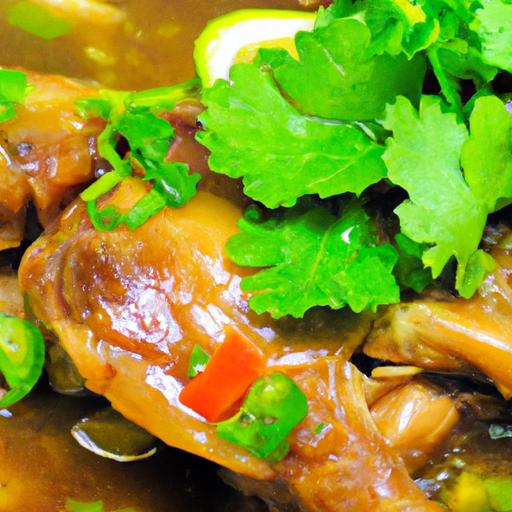

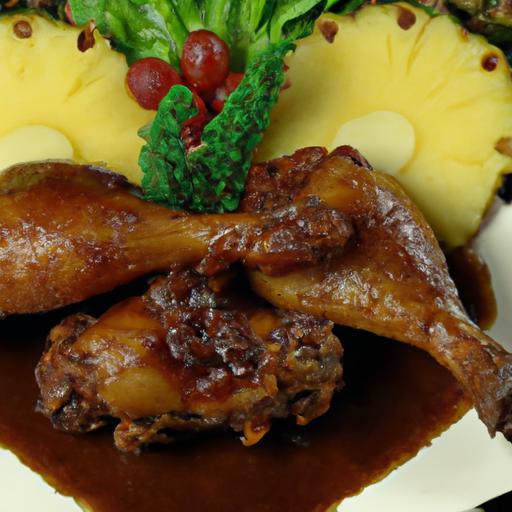
From the bustling streets of Manila to the serene islands of the Visayas,the aroma of sizzling chicken dishes tells a story as rich and diverse as the Philippines itself.Filipino cuisine, known for its vibrant flavors and unique fusion of influences, places chicken at the heart of many beloved recipes.Whether marinated in tangy vinegar,slow-cooked in savory sauces,or grilled over open flames,these iconic chicken dishes offer a tantalizing glimpse into the country’s culinary heritage. Join us as we savor the flavors and explore the delectable world of Filipino chicken creations that have captured the hearts-and palates-of food lovers across generations.
Savor the Flavors by diving into the heart of Filipino chicken cuisine-a world where history, culture, and taste blend seamlessly in every bite. Central to this culinary adventure are iconic dishes like Chicken Adobo and Chicken Inasal, each carrying its own story shaped by regional influences and time-honored cooking traditions. These dishes are not just meals; they are celebrations of heritage and regional pride that invite you to experience the Philippines through rich, bold, and comforting flavors.
Chicken Adobo,frequently enough hailed as the unofficial national dish,encapsulates a perfect harmony of vinegar,soy sauce,and aromatic garlic,creating a tangy,savory symphony. It is endlessly versatile, with different provinces adding their own touches-from the black peppercorn-laden versions in Luzon to the coconut milk-infused renditions in the Visayas. Each variation tells a story, whether it’s the subtle sweetness from brown sugar or the earthiness brought by bay leaves. This adaptability underscores the filipino spirit-resilient, open to change, yet deeply rooted.
On the other hand, Chicken Inasal invites you to savor the smoky embrace of grilled chicken marinated in a blend of calamansi (Filipino lime), garlic, ginger, and annatto oil. The result is juicy, tender meat kissed by fiery coals that impart a signature char. This dish hails from Bacolod, where its communal nature embodies Filipino hospitality-the sharing of flavors and stories gathered around a humble plate. The sweet-savory balance penned by the marinade and paired with a side of chicken rice or atchara (pickled papaya) elevates the simple grilled chicken to an unforgettable meal.
Savor the Flavors: Prep and Cook Time
- Prep Time: 15 minutes
- Cook Time: 45 minutes (for Adobo) / 30 minutes (for Inasal)
Yield
Serves 4 hearty portions-ideal for family gatherings or intimate dinners.
Difficulty Level
Medium: Perfect for home cooks eager to explore authentic Filipino flavors with confidence.
Ingredients
For Classic Chicken Adobo
- 2 lbs chicken thighs, bone-in, skin-on
- 1/2 cup soy sauce
- 1/2 cup white vinegar
- 6 cloves garlic, crushed
- 2 bay leaves
- 1 tsp whole black peppercorns
- 1 cup water
- 2 tbsp brown sugar
- 2 tbsp cooking oil
- Salt to taste
For Chicken Inasal
- 2 lbs chicken leg quarters, split
- 1/4 cup calamansi juice (or substitute with lemon juice)
- 6 cloves garlic, minced
- 1 thumb-sized ginger, grated
- 3 tbsp annatto oil
- 2 tbsp soy sauce
- 1 tbsp brown sugar
- Salt and freshly ground pepper, to taste
Instructions
Classic Chicken adobo
- Marinate: Combine the chicken, soy sauce, vinegar, crushed garlic, bay leaves, and black peppercorns in a large bowl. Cover and refrigerate for at least 30 minutes or up to 4 hours to deepen flavors.
- Sear the chicken: Heat cooking oil over medium-high heat in a heavy-bottomed pan. Remove chicken from marinade (reserve marinade) and brown pieces on all sides, about 5-7 minutes, turning carefully to develop a golden crust.
- Simmer: Pour reserved marinade and water into the pan with the chicken. Add brown sugar and bring to a boil.Reduce heat to low; cover and simmer for 30 minutes, stirring occasionally.
- Reduce sauce: Remove lid and cook for another 10-15 minutes to let the sauce thicken and intensify, spooning over chicken to coat.
- Adjust seasoning: Taste and add salt if needed. For a more tangy punch, splash a bit more vinegar before serving.
Chicken Inasal
- Make the marinade: In a bowl, mix calamansi juice, garlic, ginger, annatto oil, soy sauce, brown sugar, salt, and pepper until sugar dissolves.
- Marinate chicken: Submerge chicken pieces in marinade, cover, and refrigerate for at least 2 hours or overnight for best results.
- Preheat grill or grill pan: Medium-high heat is ideal for achieving that signature char without drying out the meat.
- Grill chicken: Place chicken on grill, basting occasionally with leftover marinade. Grill for 15-18 minutes per side or until internal temperature reaches 165°F (74°C) and skin crisps beautifully.
- rest and serve: Allow chicken to rest for 5 minutes before slicing to retain juices.
Tips for Success
- use bone-in, skin-on chicken parts for juicier, more flavorful dishes.
- For an extra kick in Adobo, add a pinch of chili flakes or fresh bird’s eye chilis during simmering.
- If grill access is unavailable for Chicken Inasal, a stovetop grill pan or oven broiler offers a similar smoky effect.
- Make Adobo a day ahead; flavors deepen beautifully overnight, making leftovers irresistible.
- Experiment with dipping sauces: vinegar with crushed garlic and chili complements both dishes wonderfully.
Serving Suggestions
Plate Chicken Adobo with steaming white jasmine rice or garlic fried rice to soak up its luscious sauce. Garnish with freshly chopped scallions or fried garlic for extra texture and aroma.
Chicken inasal shines when served alongside fragrant chicken oil rice, pickled atchara, and a citrus-infused vinegar dip. Garnish with thinly sliced red onions and a sprinkle of freshly ground black pepper to highlight its vibrant flavors.

| Nutrient | Chicken Adobo (per serving) | Chicken Inasal (per serving) |
|---|---|---|
| Calories | 320 kcal | 280 kcal |
| Protein | 26 g | 27 g |
| Carbohydrates | 6 g | 5 g |
| fat | 18 g | 15 g |
Unlock more Filipino culinary gems by exploring our guide on Filipino Rice Dishes and discover the perfect complements to your chicken feast. For an in-depth history and tips, visit Saveur’s trusted recipe archive.
Q&A
Q&A: Savor the Flavors – Exploring Iconic Filipino Chicken Dishes
Q1: What makes Filipino chicken dishes stand out from other cuisines?
A1: Filipino chicken dishes are a vibrant tapestry of flavors, blending native ingredients with influences from Spanish, Chinese, and Malay culinary traditions. They balance sweet, sour, salty, and savory notes in a way that’s both comforting and exciting, making each bite a delightful exploration of the Philippines’ rich cultural heritage.
Q2: Wich Filipino chicken dish is considered the most iconic?
A2: Arguably, Adobo holds the crown as the most iconic filipino chicken dish. This hearty stew features chicken marinated in vinegar, soy sauce, garlic, bay leaves, and black peppercorns, then simmered until tender. Its tangy, savory flavor and tender meat have made it a beloved staple in Filipino households and beyond.
Q3: can you describe a Filipino chicken dish that’s bursting with unique flavor?
A3: Chicken Inasal is a vibrant example. Originating from Bacolod City, this grilled chicken dish is marinated in a mixture of calamansi (Filipino lime), vinegar, garlic, ginger, and annatto oil, which gives it a distinct orange hue and smoky-sweet taste. It’s traditionally served with garlic rice and a side of spiced vinegar, creating a symphony of flavors that’s simply unforgettable.
Q4: Are there any Filipino chicken dishes known for their unique cooking techniques?
A4: Yes, Paksiw na Manok employs a slow-simmering technique where chicken is cooked in vinegar, soy sauce, garlic, and sometimes banana blossoms. This gentle cooking method infuses the dish with a comforting,slightly tangy flavor while keeping the chicken tender and juicy. It’s a stunning example of how Filipino cuisine turns humble ingredients into something extraordinary.
Q5: How do Filipino chicken dishes reflect the culture and history of the Philippines?
A5: Filipino chicken dishes are culinary stories etched in every tender morsel. They reflect the country’s history of trade, colonization, and indigenous ingenuity. The use of vinegar in dishes like Adobo speaks to preservation techniques adapted before refrigeration. the bold spices and sauces illustrate the melding of foreign influences with native flavors, symbolizing resilience and adaptability in Filipino culture.
Q6: What should first-time tasters keep in mind when trying Filipino chicken dishes?
A6: Be ready for a balanced explosion of flavors-sweetness dancing with sour notes, underlined by savory punches.Portion your tasting to savor each component: the tender texture, the aromatic herbs, and the bold sauces. Pair your dish with classic sides like garlic fried rice or pickled vegetables to complete the authentic experience.
Q7: Are Filipino chicken dishes typically spicy?
A7: While not inherently spicy, many Filipino chicken dishes can be served with a side of chili vinegar or fresh chili peppers, allowing diners to adjust the heat according to their preference. The focus is more on layered,harmonious flavors rather than overwhelming spice.
Q8: Where can one experience authentic Filipino chicken dishes outside the Philippines?
A8: Filipino restaurants have been blooming globally, especially in places with vibrant Filipino communities like the U.S., Canada, and the Middle East. Seek out family-owned eateries or chef-driven concepts that emphasize traditional recipes.Also, many recipes are accessible for home cooks eager to savor these dishes firsthand.
with these flavorful answers, you’re now ready to embark on a culinary journey through the heart of the Philippines-one iconic chicken dish at a time!
In Retrospect
As we conclude this flavorful journey through the heart of Filipino cuisine, it’s clear that chicken dishes are more than just meals-they are stories served on a plate. Each recipe, from the tangy adobo to the vibrant tinola, reflects the rich cultural tapestry and warm hospitality that define the Philippines. So next time you crave a taste adventure, remember that these iconic chicken dishes offer not only savory delights but also a flavorful invitation to experience a vibrant heritage. Savor the flavors, embrace the stories, and let your palate be your guide to the soul of Filipino cooking.