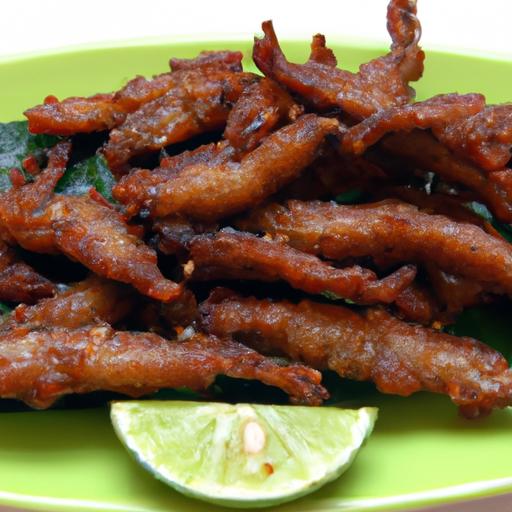

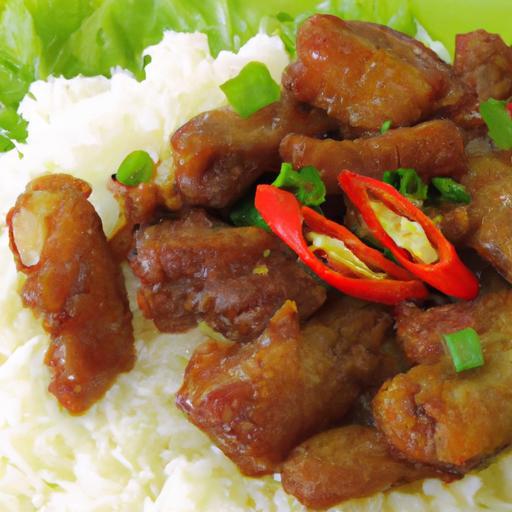
There’s a world of vibrant flavors waiting to be discovered in Filipino cuisine-a delightful fusion of sweet, sour, salty, and savory notes that tell stories of history, culture, and festivity.From the tangy richness of adobo to the comforting warmth of sinigang, authentic Filipino dishes invite you on a culinary journey that’s as rich and diverse as the islands themselves. In this article, we’ll dive into a handpicked selection of traditional recipes that capture the essence of the Philippines’ gastronomic heritage. Whether you’re a seasoned foodie or a curious cook, get ready to savor the flavors and bring a taste of the Philippines right into your kitchen.
Savor the Flavors: Authentic Filipino food recipes to try begin with understanding the soul of Filipino cuisine-its rich heritage and vibrant diversity. From the tangy, savory notes of Adobo to the comforting, sour broth of Sinigang, these dishes invite you to experience a culinary tradition passed down through generations. Each recipe is a testament to the country’s colorful regions where fresh, local ingredients and time-honored techniques create flavors that dance on the palate.
Prep and Cook Time
- Adobo: prep time 15 minutes | Cook time 45 minutes
- Sinigang: prep time 20 minutes | Cook time 30 minutes
Yield
- adobo: Serves 4
- Sinigang: Serves 6
Difficulty Level
- Adobo: Medium
- Sinigang: Easy
ingredients for Classic Chicken Adobo
- 2 lbs chicken thighs,bone-in,skin-on
- 1/2 cup soy sauce,preferably Filipino soy sauce
- 1/3 cup white vinegar
- 1 cup water
- 6 cloves garlic,crushed
- 3 bay leaves
- 1 teaspoon whole black peppercorns
- 2 tablespoons cooking oil
- 1 tablespoon brown sugar (optional for balance)
- Salt,to taste
Ingredients for Pork Sinigang sa Sampalok (Tamarind Soup)
- 2 lbs pork belly,cut into chunks
- 1 large onion,quartered
- 2 medium tomatoes,quartered
- 1 cup tamarind pulp or 1 packet tamarind soup base mix
- 8 cups water
- 1 daikon radish,sliced
- 1 bunch water spinach (kangkong),trimmed
- 2 long green chili peppers
- Salt,to taste
Instructions for Perfect chicken Adobo
- Marinate: Combine chicken thighs,soy sauce,and crushed garlic in a bowl. refrigerate for at least 30 minutes, preferably overnight, to deepen the flavor.
- Sauté: Heat cooking oil in a heavy-bottomed pan over medium heat. Remove chicken from marinade (reserve marinade) and brown the chicken pieces, skin side down first, until golden and crisp, about 5 minutes per side.
- Simmer: Pour in the reserved marinade, vinegar, water, bay leaves, and peppercorns. Bring to a boil, then lower the heat and cover. Simmer gently for 30 minutes,turning the chicken halfway through for even cooking.
- Finalize: Uncover and raise the heat to medium-high. Allow the sauce to reduce, stirring occasionally, until it thickens slightly and glazes the chicken.
- Balance: Stir in brown sugar to round out the sharpness, if desired. Adjust salt to taste before serving.
Instructions for Classic Pork Sinigang
- Boil pork: In a large pot, add pork pieces and water.Bring to a boil, skimming off any impurities to keep the broth clear.
- Add aromatics: Toss in onion and tomatoes. Lower heat and simmer for 1 hour or until pork is tender.
- Add souring agent: Incorporate tamarind pulp or soup base mix, stirring to dissolve wholly, then allow the broth to sour and deepen.
- Add vegetables: Introduce daikon radish and green chili peppers. Cook until radish is tender but not mushy, about 10 minutes.
- Finish: Add water spinach just before turning off the heat to preserve its vibrant green color.
- Season: Taste and adjust salt accordingly for a hearty, well-balanced soup.
Tips for Success
- always marinate the chicken for Adobo to unlock deep, layered flavors that soak into every bite.
- For an authentically silky texture,cook pork Sinigang slowly and avoid excessive agitation to keep the broth clear.
- Adjust the sourness of sinigang gradually-start with less tamarind and add more as needed to suit your palate.
- Substitute pork in Sinigang with shrimp or fish for lighter variations while preserving the traditional taste.
- Make Adobo ahead of time-flavors intensify after resting overnight, making it an ideal make-ahead dish.
Serving Suggestions
Serve classic Adobo over a bed of steaming steamed jasmine rice to soak up the luscious sauce. Garnish with freshly cracked black pepper and a few thinly sliced green onions for a burst of freshness.For Sinigang, ladle the hot broth into rustic bowls and accompany it with steamed rice.A side of patis (fermented fish sauce) elevates both dishes with complex umami notes.Add a wedge of calamansi or lemon for those who love an extra zesty kick.
| Dish | calories | Protein | Carbs | Fat |
|---|---|---|---|---|
| Chicken Adobo (per serving) | 350 kcal | 28 g | 6 g | 22 g |
| Pork Sinigang (per serving) | 410 kcal | 30 g | 8 g | 28 g |
For more authentic Filipino recipes that celebrate regional diversity, check out our Filipino Regional Classics collection. To deepen your knowledge of Filipino culinary history and its ingredients, visit this NPR feature.

Q&A
Q&A: Savor the Flavors – Authentic Filipino Food Recipes to Try
Q1: What makes Filipino cuisine unique compared to other Southeast Asian dishes?
A1: Filipino cuisine is a vibrant tapestry of flavors influenced by Malay, spanish, Chinese, and American cultures. What sets it apart is its bold balance of sweet, sour, salty, and savory tastes often in a single dish. Filipino food tells stories of history and regional diversity, using ingredients like vinegar, calamansi, coconut milk, and native spices to create comforting yet exciting flavors.
Q2: Can you name some must-try traditional Filipino dishes for beginners?
A2: Absolutely! Start with Adobo – the unofficial national dish, where meat simmers in a garlicky soy-vinegar sauce. Then there’s sinigang, a tangy tamarind-based soup perfect for cooler days. Don’t miss Lechon (crispy roasted pig), Pancit noodles for celebrations, and Kare-Kare, a peanut sauce stew. Each dish offers a different taste adventure.
Q3: Are Filipino recipes difficult to prepare at home?
A3: Not at all! While some dishes may take time to simmer and develop flavor, many recipes rely on simple techniques like sautéing, stewing, or grilling. most ingredients are easy to find at international markets. The key is patience and embracing the layers of flavors that develop over cooking time.
Q4: How crucial is the use of vinegar in Filipino cooking?
A4: Vinegar is like the heartbeat of Filipino cuisine-it provides the distinctive tang that brightens dishes. In Adobo, Sinigang, or even Kinilaw (filipino ceviche), vinegar or souring agents like tamarind or calamansi awaken the palate. It’s the secret to balancing rich or fatty ingredients with refreshing acidity.
Q5: What are some lesser-known Filipino recipes worth exploring?
A5: Take a culinary journey with Laing – taro leaves slow-cooked in coconut milk and chili, perfect for spice lovers. Or try Paksiw na Lechon, which reimagines leftover roasted pig simmered in a vinegar-garlic sauce. Bicol Express,a fiery pork stew with shrimp paste and chili,is another sumptuous find that showcases regional flavors.Q6: How can I make my Filipino dishes taste authentically rich and flavorful?
A6: Focus on layering ingredients and taking time to develop depth. Marinate meats to infuse flavor, use homemade broths, and don’t rush the simmering process. Incorporating traditional condiments like fish sauce (patis) or shrimp paste (bagoong) can elevate flavors dramatically. And remember, fresh herbs like pandan or banana leaves can add subtle aromatic notes.
Q7: Are these recipes suitable for all dietary preferences?
A7: Filipino cuisine is incredibly versatile. Many traditional recipes can be adapted to suit vegetarian or gluten-free diets without losing their essence. For example, laing is naturally vegetarian, and Adobo can be made with tofu or mushrooms. Exploring Filipino cooking invites creativity and inclusivity at the dining table.
Q8: Where can I find authentic ingredients to try these recipes?
A8: Asian grocery stores and specialized markets often carry key filipino ingredients like calamansi, coconut vinegar, dried shrimp, and banana leaves.Online retailers also offer options to ship pantry staples directly to your kitchen. Once you have a core set of ingredients, you’re ready to embark on a flavorful Filipino cooking adventure!
Q9: What’s the best way to enjoy Filipino food at home?
A9: Filipino meals are all about communal dining and sharing plates. Gather family or friends around the table, serve a variety of dishes, and don’t forget the steamed rice-a staple that ties every bite together. The experience is as much about connection and celebration as it is about savoring the rich tastes.
Q10: Why should food lovers add Filipino recipes to their culinary repertoire?
A10: Because Filipino cuisine is a delightful surprise-its flavors are bold yet comforting, familiar yet intriguingly different.It’s a cuisine that embraces diversity, storytelling, and soul. Trying these recipes opens doors to new textures, colors, and cooking traditions that enrich your kitchen and palate with every bite.
Future Outlook
As you close this flavorful journey through the vibrant world of Filipino cuisine, remember that each dish is more than just a meal-it’s a story, a tradition, and a celebration of community. Whether you’re stirring a pot of rich adobo, simmering a bowl of comforting sinigang, or layering the sweet notes of leche flan, you’re inviting a piece of the Philippines into your kitchen and onto your table. So, gather your ingredients, embrace the bold and unique flavors, and let these authentic recipes inspire your culinary adventures. After all, the best way to savor the true essence of Filipino culture is one delicious bite at a time.