
There’s a simple magic in the way a bowl of French onion soup invites you in-steaming, savory broth mingling with caramelized onions, crowned by a crust of bubbling, golden cheese. But beyond the appetizing alchemy of flavors lies an equally captivating story: the art and tradition embodied in the very vessels that hold this beloved comfort dish. “Savor Every Sip: the Art of French Onion Soup Bowls” delves into the unique design, history, and craftsmanship of these iconic bowls, revealing how their form enhances not just the taste but the entire sensory experience. Join us as we explore how the perfect bowl transforms a humble soup into a timeless culinary ritual.
French Onion Soup Bowls set the stage for an unforgettable dining experience. Choosing the perfect vessel not only showcases the rich, caramelized onions and bubbling Gruyère but also preserves the authentic flavor and hearty warmth that this classic French dish is celebrated for. Understanding the materials, design features, and care tips will elevate your soup moments from everyday comfort to artisanal delight.
Material Matters: Exploring Ceramic and Stoneware Benefits
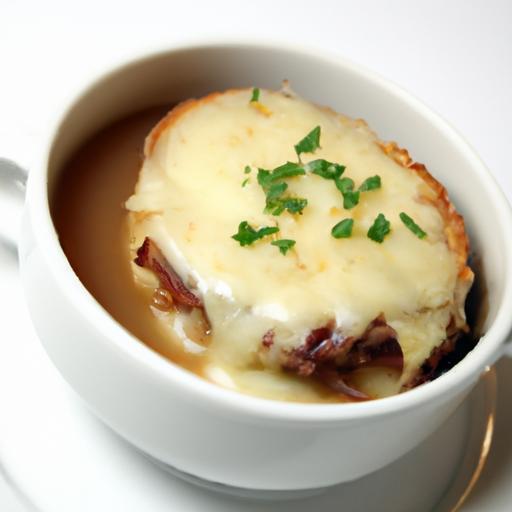
The choice between ceramic and stoneware soup bowls significantly influences the heat retention and presentation of your French onion soup. Ceramic bowls offer a beautifully glazed surface that resists staining and enhances the rustic charm of bubbling cheese atop golden broth. Their excellent heat distribution keeps your soup pleasantly hot without burning the edges.
On the other hand, stoneware bowls bring a natural, earthy aesthetic with superior thermal mass that maintains an even temperature longer than metal or glass alternatives. Their dense composition ensures your soup’s delicate balance of sweet onions and savory broth remains flawless from the first sip to the last. Stoneware’s durability resists chipping under the weight of broiled cheese crusts, making them ideal for the traditional oven-to-table method.
Design Details That Enhance Your Soup Experience
Beyond materials, thoughtful design transforms each serving into a multi-sensory event.Look for bowls with wide mouths which encourage the perfect cheese-to-broth ratio, allowing the Gruyère to melt evenly and form that signature browned crust. Handles are essential: sturdy, heatproof grips let you transport sizzling bowls safely and elegantly.
Deep, oven-safe bowls are crucial, as they prevent spillage under the broiler while maximizing soup volume to keep the comforting, layered flavors intact. some bowls feature lids or matching plates, adding a refined flair and helping retain heat post-broiling.
Caring for Your Soup Bowls to Preserve taste and Longevity
Proper care is key to maintaining both aesthetic and function, ensuring your French onion soup bowls deliver years of impeccable service. Always rinse bowls promptly after use to loosen caramelized cheese residues, avoiding prolonged soaking that may weaken glazes or stoneware seals.
Hand washing with gentle, non-abrasive detergents protects finishes and can prevent tiny cracks where flavors might seep and dull the taste over time. When drying, avoid sudden temperature changes-let bowls cool gradually to sidestep thermal shock. For dishwasher-safe designs, always follow manufacturer instructions.
Occasionally seasoning stoneware with mineral oil preserves its natural patina and improves resistance to moisture absorption. Proper care not only safeguards your investment but also keeps every French onion soup serving tasting as fresh and authentic as the first.
Prep and Cook Time
- Prep Time: 20 minutes
- Cook Time: 45 minutes
Yield
Serves 4 hearty portions
Difficulty Level
Medium - requires patience for caramelizing onions and broiling
Ingredients
- 6 large yellow onions, thinly sliced
- 4 tablespoons unsalted butter
- 2 tablespoons olive oil
- 1 teaspoon salt
- 1/2 teaspoon sugar (to help caramelize)
- 2 cloves garlic, minced
- 1/2 cup dry white wine
- 8 cups beef broth (preferably homemade or high-quality)
- 2 sprigs fresh thyme
- 1 bay leaf
- French baguette slices, toasted
- 1 ½ cups Gruyère cheese, grated
- Freshly ground black pepper, to taste
Instructions
- Caramelize the onions: In a large heavy-bottomed pot, heat butter and olive oil over medium heat. Add sliced onions with salt and sugar. Sauté until onions turn a deep golden brown, about 35-40 minutes, stirring frequently to prevent sticking and burning. Patience here unlocks the soup’s signature sweet depth.
- Add garlic and deglaze: Stir in minced garlic, cooking until fragrant, about 1 minute.Pour in white wine, scraping up the fond from the pan bottom.Allow the wine to reduce by half to intensify flavor.
- simmer broth and herbs: Add beef broth, thyme, and bay leaf. Bring to a simmer and cook gently for 25 minutes.Remove herbs and adjust seasoning with pepper and extra salt as needed.
- Prepare soup bowls: Ladle hot soup into oven-safe French onion soup bowls, filling about ¾ full to avoid overflow when broiled.
- Add toasted baguette and cheese: Float a baguette slice atop each bowl, then generously layer with grated Gruyère.
- Bake and broil: Place bowls on a baking sheet in a preheated oven at 350°F (175°C) for 15 minutes,then switch to broil for 3-5 minutes or until cheese bubbles and turns golden brown.watch closely to prevent burning.
- Serve hot: Carefully remove from oven using handles or pot holders. Garnish with fresh thyme if desired, and serve immediately.
Tips for Success
- Use a mandoline slicer for uniformly thin onions; even cooking means perfect caramelization.
- Don’t rush: Low and slow heat unlocks the rich, sweet onion flavor that defines the dish.
- to make it vegetarian, swap beef broth with a robust mushroom broth and omit the cheese for a vegan version using plant-based alternatives.
- for make-ahead ease, caramelize onions up to 2 days in advance; refrigerate in airtight containers to preserve flavor.
- Use oven mitts when handling hot bowls, and allow 5 minutes after broiling before serving to avoid burning your palate.
Serving Suggestions
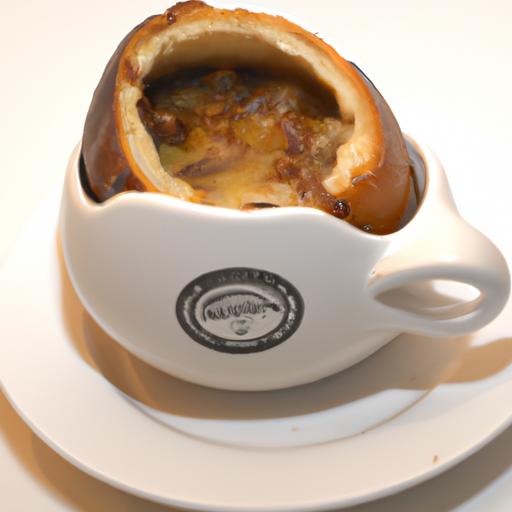
Present your French onion soup in rustic loaf-style ceramic bowls placed atop wooden chargers for a warm, inviting look. Garnish with a sprinkle of freshly chopped parsley or thyme sprigs for a pop of color.Serve alongside a crisp green salad with vinaigrette to balance the soup’s richness. A light glass of Sauvignon Blanc or a classic Burgundy red pairs brilliantly to complete the experience.

| Nutrient | Per Serving |
|---|---|
| Calories | 320 |
| Protein | 18g |
| carbohydrates | 30g |
| Fat | 14g |
For further inspiration on authentic French cuisine and kitchen essentials, check out our guide to mastering the French baguette. To dive deeper into the benefits of ceramic cookware, explore this Ceramic Cookware Resource.
Q&A
Q&A: Savor Every Sip – The Art of French Onion Soup Bowls
Q: What makes French onion soup bowls unique compared to regular soup bowls?
A: French onion soup bowls are crafted with both style and substance. Typically made from thick, heat-retentive ceramic or stoneware, they ensure your soup stays piping hot from the first spoonful to the last. Their wide, shallow shape is perfect for supporting the signature broiled cheese and crusty bread topping, creating a harmonious experience where every bite is a melty, savory delight.
Q: Why is the design of a French onion soup bowl so vital to the eating experience?
A: The design transforms eating French onion soup from a simple meal into a ritual. The bowl’s wide rim accommodates the broiled cheese crust without spilling, while the sturdy handles allow safe passage in and out of the oven. This thoughtful design lets you enjoy the rich aromas and gooey textures as the soup cools just enough to savor every layered flavor.
Q: Can I use any bowl to serve French onion soup,or should I invest in a specific one?
A: While any heat-safe bowl can hold soup,investing in a classic French onion soup bowl elevates your dish. The specialized construction withstands direct oven broiling and helps create that iconic golden cheese crust. Plus, these bowls add charming authenticity and make your dining table feel like a cozy French bistro.Q: How does the material of the bowl affect the soup?
A: materials like stoneware, porcelain, or glazed ceramic retain heat exceptionally well, keeping your soup hot longer and enhancing the melding of flavors. Plus, they tolerate high oven temperatures necessary for browning the cheese without cracking or warping.
Q: Are there any cultural traditions tied to French onion soup bowls?
A: Serving French onion soup in these rustic bowls echoes centuries-old French culinary traditions. Originating as a humble peasant dish, the soup and its presentation have become symbols of comfort and conviviality. The bowls themselves carry a sense of history, connecting modern diners to classic French hearthside moments.
Q: Any tips for caring for my French onion soup bowls?
A: To keep your bowls lovely and functional, hand-washing is recommended, especially after broiling. Avoid sudden temperature changes to prevent cracking-think slow oven preheating and gentle cooling.With proper care, these bowls will become treasured kitchen companions.
Q: How can the choice of your soup bowl enhance the overall sensory experience?
A: The tactile feel of the bowl’s sturdy handles, the visual appeal of bubbling cheese kissed by radiant oven heat, and the warmth it radiates to your hands all enrich the experience. Each element invites you to slow down, breathe in the savory steam, and truly savor every sip and bite.
Whether you’re a culinary connoisseur or simply a lover of comfort food, the humble French onion soup bowl is a vessel of warmth, tradition, and sublime flavor. Choosing the right one transforms a simple dish into a multisensory festivity-as every sip deserves to be savored.
Concluding remarks
As the last fragrant steam rises from your French onion soup bowl, you’re reminded that this humble vessel does more than hold a meal-it cradles tradition, warmth, and artistry. From rustic crocks to elegant ceramic bowls, each shape and material enhances the experience, inviting you to slow down and savor every sip. In the world of culinary delights, the right bowl transforms a simple soup into a ritual, a moment of comfort that transcends the ordinary. So, next time you nestle a golden, bubbling bowl in your hands, remember: you’re not just enjoying a dish-you’re partaking in a timeless art, one sip at a time.