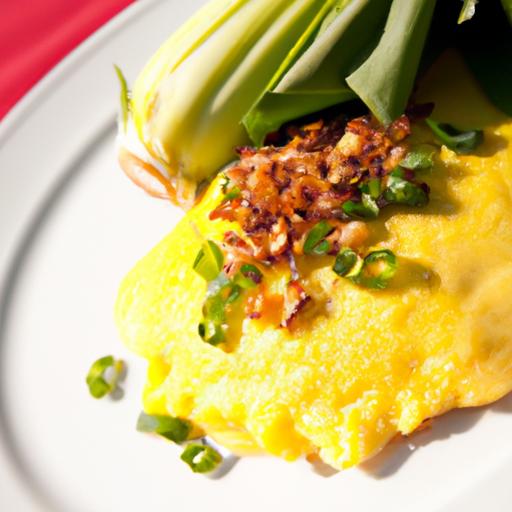

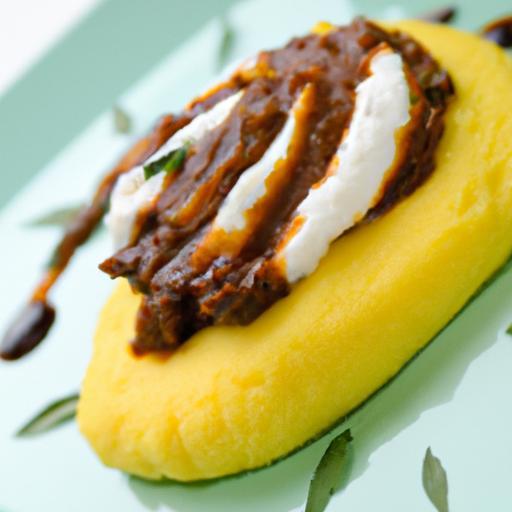
Polenta, with its humble origins as a simple cornmeal mush, has long been a comforting staple on dinner tables around the world. But beyond its basic creamy form lies a world of culinary possibility waiting to be explored. In ”Polenta Perfection: Creative Meals Beyond the Basics,” we’ll journey past the familiar and dive into inventive recipes and surprising flavor combinations that transform this customary dish into a canvas of vibrant, satisfying meals. Whether crisped to golden perfection, layered with bold ingredients, or reimagined as a savory side or decadent dessert, polenta’s versatility invites cooks of all skill levels to elevate their kitchen repertoire. Get ready to unlock the full potential of polenta and discover a treasure trove of creative meals that delight both the palate and the creativity.
Polenta Perfection: Creative Meals Beyond the Basics begins with an exciting journey into the world of artisan polenta varieties that unlock textures and flavors far beyond the traditional creamy base. Imagine the golden grains of stone-ground polenta, toasted to a delicate crunch, or the nutty sweetness of organic cornmeal enriched with rustic herbs-each variation offering a unique canvas to elevate your dishes with global culinary inspirations.
Prep and Cook Time
- Planning: 10 minutes
- Cooking: 45 minutes
- Total: 55 minutes
yield
Serves 4 generous portions
Difficulty level
Medium – requires attention during cooking but yields rewarding layers of texture and flavor.
Ingredients
- 1 ½ cups artisan stone-ground polenta (preferably yellow or a blend with white corn for complexity)
- 5 cups water or a mix of broth and water for added depth
- 1 teaspoon fine sea salt
- 3 tablespoons unsalted butter
- ½ cup finely grated Parmigiano-Reggiano
- Fresh herbs (such as rosemary or thyme, finely chopped)
- 2 tablespoons extra virgin olive oil
- 1 cup sautéed wild mushrooms (shiitake, cremini, or chanterelles work beautifully)
- 1 roasted chicken breast, sliced thinly
- roasted seasonal vegetables (e.g., charred broccolini, blistered cherry tomatoes)
- Freshly cracked black pepper, to taste
- Optional garnish: microgreens, edible flowers
Instructions
- Bring water or broth to a rolling boil in a heavy-bottomed saucepan over medium-high heat, adding salt to season the liquid evenly.
- Slowly whisk the polenta into the boiling liquid to prevent lumps.Maintain a gentle simmer-this slow addition ensures a creamy, lump-free texture.
- Reduce heat to low and cook, stirring frequently with a wooden spoon or silicone spatula. This prevents sticking and helps develop a rich, velvety consistency. Cooking should last about 35-40 minutes.
- Once thickened, incorporate butter, grated Parmigiano-Reggiano, and herbs, folding gently until melted and fully integrated. This finishing step builds richness and bursts of aromatic complexity in every bite.
- Pour the polenta into an oiled sheet pan or rimmed dish,smoothing it to about 1-inch thickness. Let it cool slightly for 15 minutes until it firms up.
- Slice the set polenta into squares or rounds. Heat olive oil in a skillet over medium-high heat and sauté slices until golden and crisp on both sides, approximately 3-4 minutes per side. This step transforms creamy polenta into a textural delight.
- Meanwhile, quickly reheat sautéed mushrooms and roast vegetables. Arrange polenta slices on warmed plates, top with tender chicken breast slices, scattered wild mushrooms, and roasted vegetables.
- Garnish with microgreens and a light drizzle of extra virgin olive oil. Finish with freshly cracked black pepper for an aromatic kick.
Tips for Success
- Polenta texture varies greatly by grind: Stone-ground polenta offers nuttier flavor and grit, while finer grinds create creamier results. Experiment with blends to find your preferred mouthfeel.
- For vegan or dairy-free options, substitute butter and Parmesan with olive oil and nutritional yeast. Add a splash of plant-based milk late in cooking for creaminess.
- To infuse additional flavor, infuse cooking water with garlic cloves, bay leaves, or dried chili flakes before adding polenta.
- Make polenta ahead: Cool and chill after the initial cooking step. polenta holds well in the fridge for up to 3 days and can be quickly seared or grilled just before serving to revive texture.
- Keep stirring during cooking to avoid clumps and scorching at the bottom-adding small increments of liquid if the polenta thickens too fast helps maintain a luscious consistency.
Creative Pairings: Proteins and Vegetables That Transform Polenta
Pairing polenta with proteins like succulent roasted chicken, braised short ribs, or pan-seared pork tenderloin highlights its comforting nature. Meanwhile, fresh seasonal vegetables such as blistered tomatoes, oven-roasted broccolini, or caramelized fennel contrast beautifully, adding vibrant color and crunch. Adding sautéed wild mushrooms infuses an earthy, umami richness that elevates polenta’s naturally sweet corn flavor, rounding your plate into a harmonious global-inspired experience.
mastering Presentation Techniques for Stunning Polenta Plates
Presentation starts with shape and texture contrasts: use a ring mold to create elegant polenta towers or neatly stack crisped polenta slices layered with roasted vegetables and protein. Embrace height and vibrant garnishes like microgreens or edible flowers to infuse visual freshness. A final drizzle of high-quality extra virgin olive oil creates a glossy, inviting finish. Remember, a sprinkle of flaky sea salt just before serving adds a delightful crunch and flavor lift, completing an eye-catching dish perfect for intimate dinners or entertaining guests.
| Nutrient | Per Serving |
|---|---|
| Calories | 420 |
| Protein | 22g |
| Carbohydrates | 45g |
| Fat | 12g |
For more inspiration on savory meals, check out our creative polenta recipes page. To delve deeper into traditional Italian grain cooking techniques, visit Experience Italy’s polenta guide.

Q&A
Q&A: Polenta Perfection - Creative Meals Beyond the Basics
Q1: What makes polenta such a versatile base for creative cooking?
A1: Polenta’s charm lies in its simple, neutral canvas. Made from ground cornmeal, it can be creamy or firm, sweet or savory, and easily infused with herbs, cheeses, or spices. This adaptability makes it perfect for everything from comforting breakfasts to elegant dinners.
Q2: How can I elevate basic creamy polenta into a standout dish?
A2: Start by upgrading your liquid-swap water for rich chicken broth or coconut milk. Stir in bold ingredients like aged Parmesan, sautéed mushrooms, or roasted garlic. Finish with a drizzle of truffle oil or a sprinkle of fresh herbs for layers of flavor that sing.
Q3: What are some creative ways to serve firm polenta?
A3: Once cooled and set, firm polenta can be sliced and transformed into crisp, golden cakes, grilled squares, or even polenta fries. Use these as a base for toppings-think spicy ratatouille,tangy salsa verde,or melty mozzarella with roasted tomatoes-for a textural twist.
Q4: Can polenta be used in dishes beyond Italian cuisine?
A4: absolutely! Polenta’s mild taste is a passport to global flavors. Try it as a bed for smoky North African tagines, a side to Korean-style BBQ, or mixed with coconut and lemongrass for a Southeast Asian-inspired treat.The possibilities are endless.
Q5: What are some tips for achieving the perfect polenta texture?
A5: Patience is key-slowly whisk your polenta into boiling liquid to keep lumps at bay. Cook it gently, stirring often, until creamy and tender. For extra silkiness, finish with a pat of butter or cream. If using instant polenta, still add some love with herbs and cheese.
Q6: How can I add nutritional boost to my polenta dishes?
A6: Mix in cooked lentils or finely chopped sautéed greens like kale or spinach. Top with toasted nuts or seeds for crunch and extra protein. Incorporating vegetables directly into your polenta or as vibrant accompaniments can turn a humble dish into a nutrient-packed feast.Q7: What beverages pair well with creative polenta meals?
A7: The answer depends on your toppings! A crisp, acidic white wine like Sauvignon Blanc complements creamy versions, while fuller reds like Chianti work beautifully with robust, tomato-based polenta dishes. For non-alcoholic options, try sparkling water with a citrus twist or herbal iced teas.
With these tips and inspirations, your journey beyond basic polenta promises delightful creativity-turning simple cornmeal into unforgettable meals that surprise and satisfy.Happy cooking!
The Way Forward
As we wrap up this flavorful journey beyond the simple scoop of polenta, remember that this humble cornmeal canvas is limited only by your imagination. whether transformed into crispy bites, layered casseroles, or swirled with unexpected spices, polenta invites you to explore textures, tastes, and traditions anew. So next time you’re craving comfort with a twist, let polenta lead the way-because perfection isn’t just about following a recipe; it’s about making the familiar extraordinary. Happy cooking, and may your kitchen always be filled with the golden glow of creative possibility.