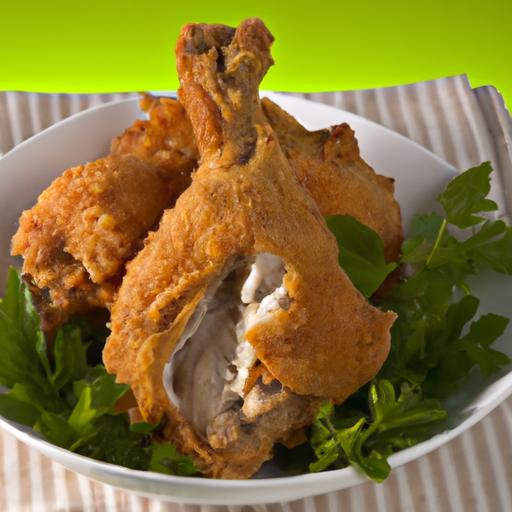

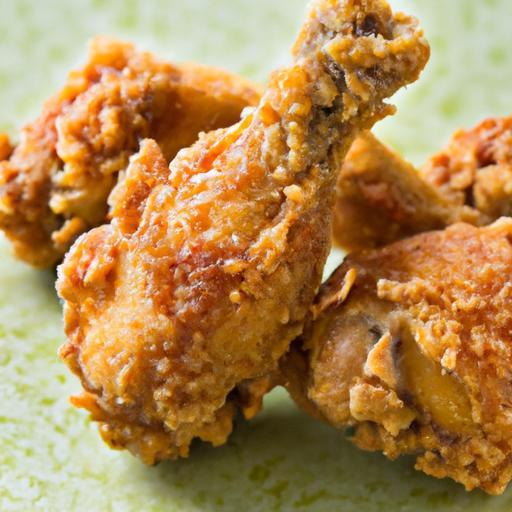
There’s something undeniably magical about biting into a piece of fried chicken that boasts a golden, perfectly crispy crust giving way to juicy, tender meat.But behind that satisfying crunch lies a delicate balance of temperature and timing-get it wrong, and you’re left with greasy, undercooked, or tough chicken. In the world of home cooking and professional kitchens alike, mastering the perfect frying temperature isn’t just a culinary trick; it’s a matter of safety and flavor. Join us as we dive into the science and art of frying chicken,uncovering how to achieve that coveted crispy exterior while ensuring every bite is cooked through,safe,and absolutely irresistible.
Perfectly Crispy and Safe: Mastering Fried Chicken Temps
Perfectly crispy and safe fried chicken is a culinary triumph that balances science and artistry. The irresistible crackle of the golden crust paired with moist, tender meat inside is no accident-it’s the result of meticulous temperature control, smart oil choices, and precise frying techniques. Whether you’re revisiting a childhood favorite or aiming to impress at your next gathering, understanding the science behind achieving the ultimate crispy crust unlocks the door to restaurant-quality fried chicken right in your own kitchen.
Prep and Cook Time
- Planning: 20 minutes (plus 4-6 hours marinade for best flavor)
- Cooking: 15-20 minutes
- Total: Approximately 5 hours (including marinating)
Yield
Serves 4-6 hungry guests
Difficulty Level
medium: Requires attention to timing,temperature,and finesse,but results are spectacular with practice.
ingredients
- 4 lbs bone-in, skin-on chicken pieces (thighs, drumsticks, breasts)
- 2 cups buttermilk (for tenderizing and flavor)
- 2 cups all-purpose flour, sifted
- 1 tablespoon smoked paprika
- 1 tablespoon garlic powder
- 1 tablespoon onion powder
- 1 teaspoon cayenne pepper (adjust to taste)
- 2 teaspoons kosher salt
- 1 teaspoon black pepper
- Vegetable oil or peanut oil (for frying, approx.6 cups)
- optional: fresh herbs (thyme or rosemary) for garnish
Instructions
- Marinate the chicken: Submerge chicken pieces in buttermilk with 1 teaspoon salt.Cover and refrigerate for 4-6 hours to tenderize and enhance juiciness.
- Prepare the coating: In a large bowl, whisk together flour, smoked paprika, garlic powder, onion powder, cayenne, remaining salt, and pepper. This flavorful blend creates a dynamic crispy crust.
- Coat each piece: Remove chicken from marinade, letting excess drip off. Generously dredge pieces in the seasoned flour mixture, pressing to ensure an even, thick coating.
- Preheat the oil: Pour oil into a deep, heavy-bottomed skillet or Dutch oven to about 2 inches deep. Heat over medium-high until oil reaches a steady 350°F (175°C). Use a kitchen thermometer for precision.
- Begin frying: Place chicken in oil without crowding. Fry in batches if needed. Maintaining oil temperature between 325°F-350°F ensures a crisply golden crust without greasy sogginess.
- monitor internal temperature: Use a digital meat thermometer inserted into the thickest part of each piece to confirm safe doneness at 165°F (74°C). This guarantees juicy, fully cooked chicken without drying out the meat.
- Flip carefully: Turn pieces every 5 minutes, frying for a total of 12-15 minutes, depending on size. Aim for even colour and crisp texture all around.
- Drain and rest: Transfer fried chicken to a wire rack over a baking sheet to drain excess oil. Let rest for 5 minutes to allow juices to redistribute.
Tips for Success: Key to Perfectly Crispy and Safe Fried Chicken
- Choosing the right oil: High smoke point oils like peanut or refined vegetable oil are ideal for consistent frying heat and clean flavor profile.
- Maintain the ideal frying heat: Temperatures too low cause greasy coating; too high burns crust before cooking inside. Use a reliable thermometer and adjust heat as necesary.
- Test oil temperature: Drop a pinch of flour in oil; it should sizzle immediately and float.If it browns instantly, reduce heat.
- Internal temperature matters: Never skip measuring. A perfect crust is nothing without safe, juicy meat inside.Insert thermometer away from bones for accurate readings.
- Double-dip coating: For extra crunch, after the first flour dredge, dip chicken again in buttermilk briefly and re-coat in flour before frying.
- Rest before serving: This final step ensures moisture retention and keeps the crust crisp long after frying.
Serving Suggestions
present your masterpiece with fresh sprigs of thyme or rosemary for an aromatic touch. A side of creamy coleslaw or tangy pickles complements the rich flavors beautifully. For a southern-inspired feast, offer warm buttermilk biscuits and honey butter alongside. Drizzle a little hot sauce or serve with a dipping sauce like ranch or honey mustard for an extra layer of flavor contrast.

| Nutrient | Per Serving |
|---|---|
| Calories | 420 kcal |
| Protein | 38 g |
| Carbohydrates | 12 g |
| Fat | 22 g |
To expand your fried chicken expertise and explore more temperature tips, check out our detailed guide on Crispy Fried Chicken Techniques. For an authoritative resource on safe cooking temperatures, visit the USDA Food Safety Guidelines.
Q&A
Q&A: Perfectly Crispy and Safe – Mastering Fried Chicken Temps
Q1: Why is temperature so crucial when frying chicken?
answer: Temperature is the golden key to unlocking that perfect balance between a crispy crust and juicy interior. Fry too hot, and the outside burns before the inside cooks; too cool, and your chicken ends up greasy and undercooked. The right temperature ensures a safe internal temperature while achieving that signature crunch.
Q2: What is the ideal oil temperature for frying chicken?
Answer: Aim for a steady 350°F to 375°F (175°C to 190°C). This sweet spot crisps the coating beautifully without absorbing excessive oil.Maintaining this range prevents sogginess and helps the chicken cook evenly through and through.
Q3: How do I know when my chicken is safe to eat?
Answer: safety first! The USDA recommends cooking chicken to an internal temperature of 165°F (74°C). Use a reliable instant-read thermometer inserted into the thickest part without touching bone. When it hits 165°F, rejoice – your chicken is both safe and juicy.
Q4: Can I fry different pieces of chicken at the same time without risking uneven cooking?
Answer: Mixing sizes is a crispy culprit! larger pieces like thighs need longer to reach 165°F,whereas wings cook faster. For even cooking, fry similar-sized pieces together or monitor and remove smaller pieces earlier. This technique helps avoid overcooking or undercooking.
Q5: How can I keep the oil temperature stable during frying?
Answer: Fry in small batches and let the oil regain heat between batches. Use a deep-fryer with thermostat control, or a heavy, deep pot with a thermometer clipped on the side. Stirring occasionally and resisting the urge to overcrowd prevents temperature drops and soggy chicken.
Q6: Does the type of oil affect frying temperature and flavor?
Answer: Absolutely! Oils with high smoke points like peanut, canola, or sunflower oil are best for frying.Thay tolerate the hot temps without breaking down and impart a neutral or complementary flavor, letting your seasoned crust shine without bitterness.
Q7: Any tips for double frying to boost crispiness?
Answer: Double frying is the secret weapon of crispy chicken fanatics! Fry initially at 300°F (150°C) to cook the meat through, than drain and rest. Just before serving, fry again at 375°F (190°C) for a quick blast to crisp up the crust. This two-step dance yields irresistible crunch and perfectly cooked meat.
Q8: Can I use air frying temperatures as a guide for deep frying?
Answer: Not exactly. Air fryers circulate hot air at around 350°F, mimicking frying but don’t submerge the chicken in oil. For deep frying, consistent oil temperature and direct contact with hot oil produce a different texture and flavor profile. Use air frying temps as a loose reference, but trust oil temperature for deep frying mastery.
Q9: How vital is resting fried chicken after cooking?
Answer: Resting is the unsung hero. Let your chicken rest on a wire rack for about 5 minutes after frying. This step lets juices redistribute for moistness and allows residual heat to finish crisping the coating. Resist the temptation to pile pieces on paper towels, which can steam and soften your crust.
Q10: What common mistakes mess up fried chicken temperature control?
Answer: Overcrowding the pot, skipping temperature checks, and using cold chicken straight from the fridge are classic pitfalls. Each causes oil temperature to plunge or uneven cooking,resulting in greasy,undercooked,or tough chicken. Pat your pieces dry, warm them slightly, fry in batches, and monitor temps vigilantly for best results.
Mastering fried chicken temps is a delicious science – with a crispy reward you can taste in every bite. Armed with these temperature tricks, your fried chicken will be safe, scrumptious, and gloriously golden every time.
The Way Forward
As the golden crust crackles beneath your teeth and the juicy interior delights every bite, remember: mastering fried chicken isn’t just about achieving that perfect crisp-it’s about ensuring it’s safe to savor as well. By understanding and controlling cooking temperatures, you unlock the secret to a fried chicken that’s both irresistibly crispy and reliably cooked through.So next time you fire up the fryer, wield your thermometer like a true culinary maestro, and serve up a masterpiece that’s as safe as it is scrumptious. Becuase in the art of fried chicken, precision never tasted so good.