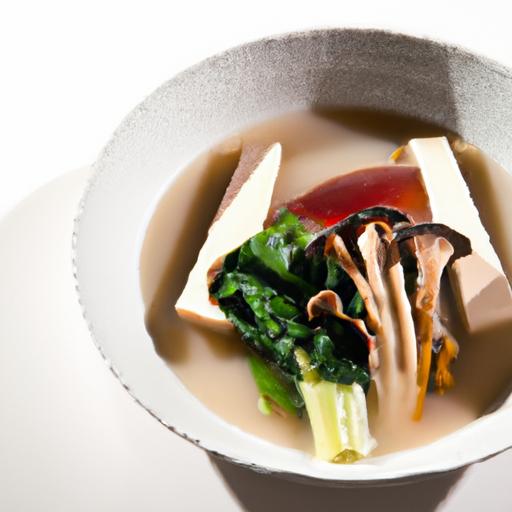

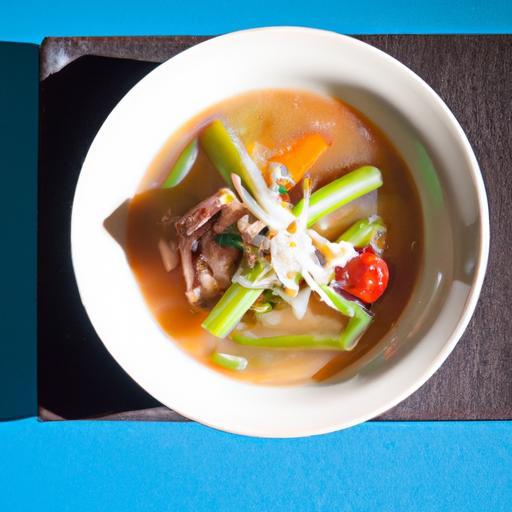
Step into the simmering world of miso soup,where tradition and taste intertwine in a fragrant dance of umami. More than just a humble bowl of broth,miso soup holds centuries of heritage,culture,and culinary artistry within its delicate depths. This article, Miso soup Unveiled: A Visual Journey Through Flavor and Form, invites you to explore the rich tapestry behind every spoonful-uncovering the vibrant colors, textures, and ingredients that transform simple elements into a harmonious symphony of flavor. Join us as we peel back the layers of this iconic Japanese staple, revealing how its visual beauty mirrors the depth of its taste.
Miso Soup Unveiled: A Visual Journey Through Flavor and form invites you to discover the timeless soul of traditional Japanese cuisine. This beloved soup, rich in history and simplicity, captures the essence of umami in every sip. Originating from ancient japan, miso soup has evolved through centuries, intertwining cultural rituals with everyday nourishment. My first encounter with this comforting broth was during a quiet Kyoto morning, where the delicate aroma of fermented soy melded with seaweed and tofu to create an unforgettable sensory embrace.
Prep and cook time
- Preparation: 10 minutes
- Cooking: 15 minutes
- total Time: 25 minutes
Yield
Serves 4 comfortably
Difficulty Level
Easy
Ingredients
- 4 cups dashi stock (preferably kombu and bonito flakes)
- 3 tablespoons white miso paste (shiro miso)
- 100 grams silken tofu, cubed (about ½-inch pieces)
- 1/4 cup wakame seaweed, dried
- 2 stalks green onions, thinly sliced
- Optional: shiitake mushrooms, sliced (about ½ cup)
Instructions
- Prepare the dashi stock: Begin by bringing 4 cups of dashi to a gentle simmer in a medium saucepan. If making dashi from scratch, soak a 10cm piece of kombu in cold water for 30 minutes, then gently heat. Remove kombu just before the water boils,add bonito flakes,steep for 5 minutes,then strain.
- Rehydrate wakame: Soak dried wakame in cold water for 5 minutes until it expands and softens. Drain and set aside.
- Add tofu and seaweed: Gently add the cubed silken tofu and soaked wakame into the hot dashi. if using shiitake mushrooms, add them at this stage. Simmer on low heat for 3-4 minutes, careful not to break the tofu.
- Dissolve miso paste: Remove a ladle of hot dashi and mix it with the miso paste in a small bowl until smooth, then slowly stir the mixture back into the pot. Avoid boiling the soup once miso is added to preserve its complex flavors.
- Final touches: Sprinkle the thinly sliced green onions over the soup just before serving for a fresh, vibrant finish. Ladle into bowls and enjoy immediately.
Tips for Success
- For intense umami, experiment with different miso varieties like red (aka) or mixed (awase) miso depending on your flavor preference.
- Maintain a gentle simmer after adding miso paste; boiling can dull miso’s nuanced taste and nutritional benefits.
- To enrich your broth, try adding gentle aromatics such as grated ginger or a splash of sake during the dashi preparation.
- This soup is best served fresh but can be refrigerated for up to 24 hours. Reheat gently without boiling to preserve texture and taste.
- Substitute tofu with thin slices of cooked chicken or add chopped spinach for a heartier variation.
Serving Suggestions
Present miso soup in rustic ceramic bowls with wide rims to showcase its inviting golden broth and floating tofu cubes. Garnish with a small sprig of fresh mitsuba or a pinch of toasted sesame seeds for added texture and aroma. Serve alongside steamed rice and pickled vegetables to create a balanced and authentic Japanese meal.
| Nutrient | Per Serving |
|---|---|
| Calories | 75 kcal |
| Protein | 6 g |
| Carbohydrates | 5 g |
| Fat | 2 g |
Explore more traditional Japanese recipes to expand your culinary repertoire. For an in-depth understanding of miso’s fermentation science and health benefits, visit the NIH research article.

Q&A
Q&A: Miso Soup Unveiled – A Visual Journey Through Flavor and Form
Q1: What makes miso soup such a beloved staple in Japanese cuisine?
A1: Miso soup is much more than just a warm bowl of broth; it’s a harmonious blend of tradition, taste, and texture. At its heart lies miso paste-a fermented soybean concoction that brings umami depth. Together with dashi stock and simple, fresh ingredients like tofu and seaweed, it creates a soothing symphony that comforts both body and soul. Its popularity endures because it’s endlessly adaptable, culturally rich, and visually inviting.
Q2: How does the visual presentation of miso soup enhance the dining experience?
A2: Miso soup is as much a feast for the eyes as it is indeed for the palate. The contrast of creamy,golden broth against the emerald green wakame seaweed,the soft ivory cubes of tofu,and the vibrant scallions creates a painterly effect. This colorful interplay sets the stage for anticipation-a gentle invitation to savor each spoonful. The clear,delicate surface often reveals just enough to tease the textures beneath,making the experience a true sensory journey.
Q3: Can the types of miso used influence the flavor and look of the soup?
A3: Absolutely! Miso isn’t a one-note wonder; it comes in a spectrum ranging from white (shiromiso) with its mild sweetness, to red (akamiso) boasting a robust, earthy punch. The choice of miso dramatically shifts both flavor and hue-white miso yields a light, golden broth, while red miso deepens the soup to a richer amber. This visual and gustatory variation invites personal expression and regional flair, turning a simple dish into an art form.
Q4: What role do the accompanying ingredients play in the form and function of miso soup?
A4: Each ingredient is carefully chosen not just for taste but for texture and appearance.Silky tofu cubes add gentle creaminess and visual balance; wakame seaweed introduces a delicate chew and deep emerald hues. Scallions offer a crisp brightness and a pop of green that enlivens the bowl. Sometimes, mushrooms or daikon add earthy complexity and structural intrigue. Together, they create a dynamic landscape where flavor and form dance in harmony.
Q5: How can someone at home recreate this visual and flavorful journey?
A5: Start with quality dashi stock as the canvas-traditional kombu and katsuobushi bring oceanic depth. Select your miso type based on the flavor profile you desire. Keep ingredients fresh and cut tofu and vegetables uniformly for elegant presentation. Ladle soup gently to preserve clarity, then finish with vibrant garnishes like sliced scallions or a sprinkle of shichimi for color contrast. With mindful preparation, anyone can craft miso soup that delights both the eyes and the taste buds.
Q6: Why is exploring miso soup visually critically important in understanding its culinary essence?
A6: Miso soup embodies the Japanese philosophy of wabi-sabi-finding beauty in simplicity and imperfection. Observing its visual elements reveals the balance of light and dark, soft and firm, subtle and bold.This visual literacy deepens gratitude,showing how form influences flavor perception. Each bowl becomes a story painted with nature’s palette, reminding us that eating is an immersive, multisensory art.
Embark on your own visual and flavorful voyage with miso soup-where tradition meets artistry, and every sip unfolds a story.
Concluding Remarks
As the steam gently rises from a bowl of miso soup, we glimpse not just a comforting dish but a centuries-old tapestry of culture, flavor, and artistry.This visual journey through miso’s rich hues, textures, and forms reveals how simplicity and depth coexist in every spoonful.From the humble soybean to the delicate interplay of seaweed, tofu, and broth, miso soup is more than sustenance-it’s a sensory story waiting to be savored. Whether you’re a seasoned connoisseur or a curious newcomer, may this exploration inspire you to appreciate the beauty and complexity that lies within this timeless Japanese classic.