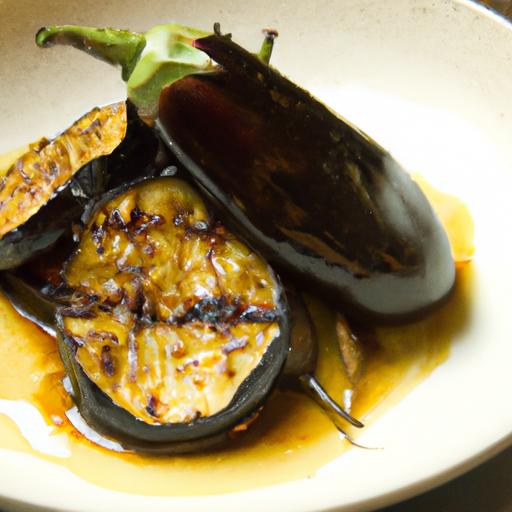

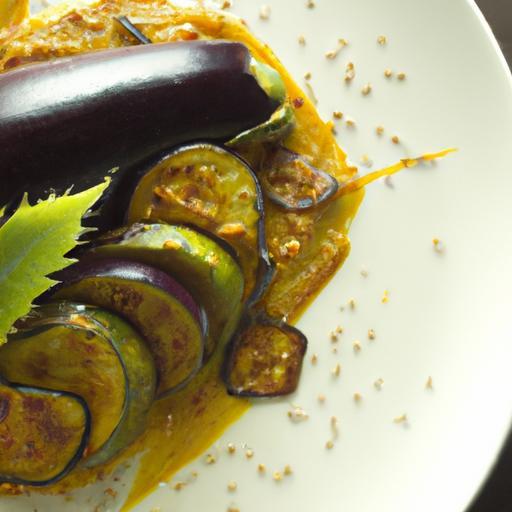
in teh vast world of culinary delights, few dishes marry simplicity and depth of flavor quite like miso eggplant. This humble vegetable, when kissed by the rich, umami-packed embrace of miso, transforms into a dish that sings with complexity and warmth. Unlocking the art of perfect miso eggplant cooking is not just about following a recipe-it’s about understanding the delicate dance of ingredients, timing, and technique that elevates everyday produce into something remarkable. Join us as we delve into the secrets behind this beloved Japanese classic,exploring how to coax out bold flavors and achieve that tender,melt-in-your-mouth texture that makes miso eggplant a cherished favorite across kitchens worldwide.
Unlocking Flavor: The Art of Perfect Miso Eggplant Cooking
Unlocking flavor begins with understanding how to select the ideal eggplant for maximum flavor and texture.This beloved vegetable, when paired with a masterful miso marinade blend, transforms into a dish that balances sweetness and saltiness with elegantly layered umami. Whether you’re a seasoned home cook or a culinary explorer, these techniques will elevate your Miso Eggplant to restaurant-worthy heights.
Prep and Cook Time
- Preparation: 15 minutes
- Marinating: 30 minutes (can be up to 2 hours for deeper flavor)
- Cooking: 20 minutes
- Total Time: approximately 1 hour
Yield
serves 4 as a savory side or light entrée.
Difficulty Level
Medium – Ideal for home cooks ready to deepen their culinary skills with precise layering of flavors.
Ingredients
- 2 medium Japanese eggplants (about 1 pound each), firm with smooth, glossy skin
- 3 tablespoons white miso paste (shiro miso for mild umami)
- 2 tablespoons mirin (Japanese sweet rice wine)
- 1 tablespoon soy sauce, low sodium preferred
- 1 tablespoon brown sugar, packed
- 2 teaspoons sesame oil, toasted for fragrance
- 3 cloves garlic, finely minced
- 1 teaspoon freshly grated ginger
- 2 tablespoons vegetable oil (for sautéing)
- 2 scallions, thinly sliced (for garnish)
- 1 tablespoon toasted sesame seeds (optional, for garnish)
Instructions
- Select and prepare the eggplants: Choose Japanese or Chinese eggplants, which are slim with tender, minimally bitter flesh. Rinse and slice lengthwise into ½-inch thick planks to maximize surface area for marinating.
- Make the miso marinade: In a bowl, whisk together white miso paste, mirin, soy sauce, brown sugar, sesame oil, garlic, and ginger until smooth.The blend should be thick yet spreadable,showcasing deep umami with a gentle sweetness.
- Marinate the eggplant: Coat the sliced eggplant with the miso blend generously on all sides. Arrange on a shallow dish, cover, and refrigerate for at least 30 minutes to allow the flavors to penetrate deeply.
- Heat the pan: Use a large non-stick skillet or cast-iron pan over medium heat. Add vegetable oil and heat until shimmering but not smoking.
- Cook the eggplant: Place marinated slices in the pan, leaving space between pieces. Sauté until golden brown and tender, about 5-7 minutes per side, turning gently to avoid disrupting the glaze.
- Finish with caramelization: For an irresistible glaze, increase heat to medium-high for the last 2 minutes of cooking, allowing the sugars in the miso marinade to caramelize slightly-this locks in a nuanced balance of salty, sweet, and umami.
- Plate and garnish: Transfer eggplants to a serving dish, sprinkle with sliced scallions and toasted sesame seeds for visual contrast and an added layer of texture.
Chef’s Notes
- Eggplant selection: Avoid large globe eggplants, which can be spongy and bitter-Japanese varieties offer the best balance of flavor and silky texture after cooking.
- Advanced tip: Salting the eggplant slices lightly before marinating helps draw out excess moisture and prevents sogginess, resulting in a firmer bite.
- Substitution: If white miso is unavailable, use yellow miso for a richer, earthier flavor, but reduce sugar by 1 teaspoon to maintain sweetness balance.
- Make ahead: The miso marinade can be prepared in advance and stored in the fridge up to 1 week, ensuring quick assembly on the day of cooking.
- Serving suggestion: Leftovers taste fantastic cold or gently reheated and work well as a filling in rice bowls or wrapped in nori for an umami-packed snack.
Elevate Your Dish: Finishing Touches and Serving Suggestions
Serve your perfectly cooked miso eggplant on a rustic wooden platter or a sleek white ceramic plate to highlight its glistening mahogany hue. A sprinkle of finely chopped fresh herbs like cilantro or shiso leaves adds a fragrant, herbal brightness that contrasts beautifully with the deep umami. Pair with jasmine rice or a simple sesame soba noodle salad to create a balanced meal. For texture contrast, add a handful of crunchy toasted pine nuts or crushed peanuts sprinkled just before serving.
Consider a drizzle of high-quality toasted sesame oil or a few drops of yuzu kosho for a subtle citrusy heat that tantalizes the palate without overwhelming. A side of crisp pickled cucumber or kimchi provides a refreshing pop of acidity, enhancing the dish’s complex flavor layers even further.

Nutritional Data
| Nutrient | Per Serving |
|---|---|
| Calories | 180 kcal |
| Protein | 4 g |
| Carbohydrates | 18 g |
| Fat | 10 g |
For more inspiring recipes featuring the magic of miso, visit our Miso Marinated Delights collection. To explore the rich cultural history and health benefits of miso, this Food Dive feature offers outstanding insights.
Q&A
Q&A: Unlocking Flavor – The Art of Perfect Miso Eggplant Cooking
Q1: What makes miso eggplant such a beloved dish in Asian cuisine?
A: Miso eggplant is a sublime marriage of umami-rich miso paste and the tender, silky texture of cooked eggplant. This pairing creates a depth of flavor that’s both comforting and complex. The natural sweetness of eggplant balances the savory, salty notes of miso, resulting in a dish that’s simple yet deeply satisfying.
Q2: Why is eggplant the perfect canvas for miso?
A: Eggplant has a sponge-like quality that readily absorbs sauces and seasonings.When cooked properly, its flesh becomes creamy without losing its shape. This characteristic allows the bold flavors of miso to fully penetrate, unlocking layers of taste that elevate the dish beyond the ordinary.
Q3: What type of miso is best for cooking with eggplant?
A: While you can experiment with various miso types, red miso (aka aka miso) is often favored for its robust, salty punch that complements the mildness of eggplant beautifully. For a milder, sweeter flavor, white miso is an excellent alternative, offering a delicate balance without overpowering the dish.
Q4: how do you prepare eggplant to get that perfect texture in miso dishes?
A: The trick lies in choosing firm, glossy eggplants and slicing them into even pieces-often lengthwise or halved. Salting the slices beforehand helps draw out excess moisture and bitterness. then, roasting or pan-searing until golden and tender ensures the eggplant retains structure while becoming luxuriously soft inside.
Q5: Can you share a secret technique to enhance the miso glaze’s flavor?
A: Absolutely! Incorporating a small touch of sweetness-like mirin or honey-balances the savory intensity of miso. Adding freshly grated ginger or a splash of sake can also introduce aromatic complexity. Simmering the glaze gently before coating the eggplant allows the flavors to meld into a rich, glossy finish.
Q6: Is miso eggplant versatile enough for different meals?
A: Definately. This dish can shine as a hearty side, a vegetarian main, or even an appetizer atop steamed rice or noodles. Its umami-packed profile pairs well with grilled meats, tofu, or fresh greens. The art lies in adapting the intensity of the glaze and accompaniments to suit the occasion.
Q7: What are common pitfalls to avoid when cooking miso eggplant?
A: Overcooking can turn eggplant mushy and dull, while undercooking leaves it tough and unyielding. Also, be cautious not to add too much miso or salt early on since miso is naturally salty-it’s better to adjust seasoning at the end. lastly, avoid burning the glaze; gentle heat preserves its nuanced flavors.
Q8: Any final tips for someone eager to master miso eggplant cooking?
A: Embrace patience and mindful observation. Treat the eggplant gently, let the miso glaze simmer just right, and remember that simplicity is your ally. The magic of miso eggplant lies not in complexity but in highlighting each ingredient’s true essence-a tasty dance of texture and taste that rewards your culinary curiosity.
In Summary
As the rich,savory notes of miso and the tender,caramelized edges of eggplant come together in a harmonious dance,we uncover more than just a recipe-we unlock a timeless culinary craft. Mastering the art of perfect miso eggplant cooking invites you to embrace patience, balance, and a deep thankfulness for umami’s subtle power.Whether you’re a seasoned cook or an adventurous foodie, this dish offers a gateway to layered flavors and soulful satisfaction. So next time you slice into a glossy, miso-glazed eggplant, remember: you’re savoring a tradition steeped in culture, technique, and the simple joy of unlocking pure flavor.