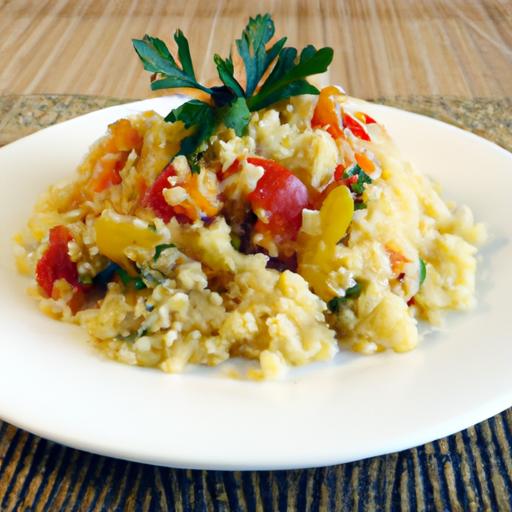

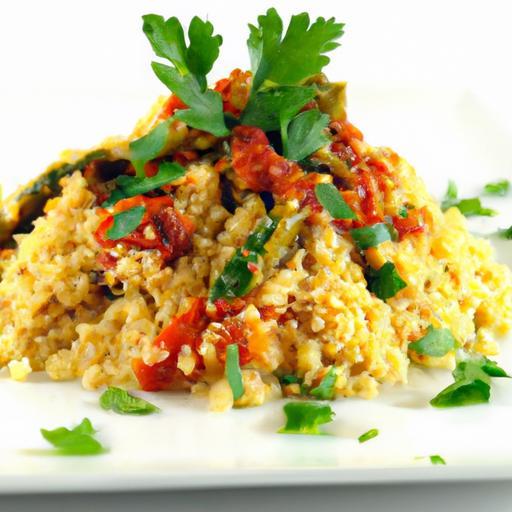
Imagine a dish that captures the sun-soaked shores of the Mediterranean, blending vibrant colors, fragrant spices, and wholesome ingredients into every spoonful. Mediterranean couscous is more than just a meal-it’s a flavorful journey that transports your palate to bustling markets, olive groves, and seaside tavernas. This humble grain,paired with fresh vegetables,herbs,and zesty dressings,offers a delicious tapestry of taste and tradition that’s as rich in history as it is in nutrition. Join us as we explore the origins, variations, and irresistible charm of Mediterranean couscous, and discover how this timeless dish can bring a burst of sunshine to your plate.
Mediterranean Couscous captivates the senses with it’s delicate texture and vibrant flavors, weaving together centuries of tradition and culinary innovation from the sun-kissed coasts of North africa and Southern Europe. This iconic dish not only tells a story of cultural diversity but also offers a versatile canvas for fresh herbs, colorful vegetables, and aromatic spices that transform any meal into a feast of the senses.
Prep and Cook Time
Readiness: 10 minutes
Cooking: 15 minutes
Yield
Serves 4 as a main dish or 6 as a side
Difficulty Level
Easy to Medium – perfect for both novice cooks and seasoned food enthusiasts
Ingredients
- 1 ½ cups fine couscous (pre-steamed or instant)
- 1 ⅓ cups boiling water or vegetable broth
- 2 tbsp extra virgin olive oil
- 1 small onion, finely chopped
- 1 clove garlic, minced
- 1 medium zucchini, diced
- 1 medium red bell pepper, diced
- ½ cup cherry tomatoes, halved
- ¼ cup golden raisins or currants
- 2 tbsp chopped fresh parsley
- 1 tbsp chopped fresh mint
- 1 tsp ground cumin
- ½ tsp smoked paprika
- Salt and freshly ground black pepper, to taste
- Juice of 1 lemon
Instructions
- Prepare the couscous: Place couscous in a large, heatproof bowl. Pour boiling water or vegetable broth over it. Cover tightly with a plate or plastic wrap and let it steam for 8-10 minutes until the liquid is absorbed and grains are tender.
- fluff and season: Remove the cover, add 1 tbsp olive oil, and fluff the couscous gently with a fork to separate the grains for a light, airy texture.
- Sauté the vegetables: Heat remaining olive oil in a large skillet over medium heat.Add onions and garlic, sautéing until translucent, about 3 minutes.
- Add diced zucchini and red bell pepper: Cook for 5-7 minutes, stirring occasionally until vegetables soften but remain vibrant.
- Stir in spices and tomatoes: Add cumin, smoked paprika, salt, and pepper. Mix well before tossing in cherry tomatoes and golden raisins, cooking for another 2 minutes to combine flavors and soften the tomatoes slightly.
- Combine couscous and vegetables: Transfer the sautéed vegetable mixture to the bowl with couscous. Add fresh parsley, mint, and lemon juice. Toss gently to blend.
- Adjust seasoning: Taste and add more salt, pepper, or lemon juice if desired. Serve warm or at room temperature for best flavor.
Tips for Success
- Use high-quality couscous: for authentic texture, opt for medium or fine couscous and avoid overcooking to prevent mushiness.
- broth infusion: Replacing water with vegetable or chicken broth adds a savory depth that elevates your dish.
- Flavor layering: Toast spices lightly in the skillet before adding vegetables to unlock their essential oils and aromas.
- Make ahead: Couscous can be made a few hours in advance and stored at room temperature; add fresh herbs and lemon juice just before serving to preserve brightness.
- substitutions: Swap zucchini for eggplant or add chickpeas for extra protein and texture variation.
Serving Suggestions
Serve your Mediterranean Couscous alongside grilled lamb kebabs, spiced roasted chicken, or a colorful mezze platter. Garnish with toasted pine nuts or slivered almonds for crunch, and a drizzle of pomegranate molasses for a sweet-tart contrast. A side of tzatziki or a fresh cucumber-yogurt salad complements the dish beautifully, imparting cool creaminess to balance the warm spices.
| Nutritional Info (per serving) | calories | Protein | Carbs | Fat |
|---|---|---|---|---|
| Mediterranean Couscous | 320 | 8g | 52g | 7g |

Explore more on Mediterranean flavors in our Roasted Vegetable Tagine recipe. For a deeper dive into couscous origins and cultural history, visit Britannica’s expert overview.
Q&A
Q&A: Mediterranean Couscous – A flavorful Journey on Your Plate
Q1: What makes Mediterranean couscous so special compared to regular couscous?
A1: Mediterranean couscous isn’t just about tiny steamed semolina grains; it’s a vibrant party of the region’s diverse flavors. Infused with sun-kissed herbs, zesty citrus, juicy olives, and roasted vegetables, this dish transforms humble couscous into a mosaic of tastes that reflect the Mediterranean’s rich culinary heritage.
Q2: Where did couscous originate, and how did it become a mediterranean staple?
A2: Couscous traces its roots back to North Africa, particularly the Berber communities centuries ago. As trade routes expanded and cultures mingled, couscous traveled east and west, eventually finding a beloved place on Mediterranean tables-from Moroccan tagines to Italian summer feasts-becoming an emblem of shared traditions and flavors.Q3: What are some key ingredients that define a mediterranean couscous dish?
A3: The magic lies in layering fresh, wholesome ingredients: tangy lemon zest, fragrant mint and parsley, sun-dried tomatoes, briny Kalamata olives, nutty pine nuts, and sweet roasted red peppers. Frequently enough, a drizzle of high-quality extra virgin olive oil and a sprinkle of feta cheese complete the dish, balancing flavors and textures.Q4: How can one prepare a vibrant mediterranean couscous at home without much fuss?
A4: Start by fluffing couscous with hot broth or water infused with a pinch of salt and a squeeze of lemon. While it steams, toast some pine nuts and chop fresh herbs. Mix in your favourite Mediterranean veggies-think cucumbers, tomatoes, and olives-and finish with olive oil and a sprinkle of crumbled feta. It’s speedy, colorful, and endlessly customizable!
Q5: Can Mediterranean couscous be made vegan or gluten-free?
A5: Absolutely! For a vegan twist, simply omit cheese or substitute with plant-based alternatives. For gluten-free options, try millet or quinoa as stand-ins-they have similar textures and soak up flavors beautifully, ensuring the dish stays vibrant and wholesome.
Q6: What occasions is mediterranean couscous perfect for?
A6: From light summer lunches and picnics to elegant dinner parties, Mediterranean couscous is incredibly versatile. It shines as a refreshing side dish or a hearty main when paired with grilled seafood, chicken, or roasted vegetables, turning any meal into a flavorful journey across the Mediterranean coast.
Q7: why should food lovers explore Mediterranean couscous?
A7: Beyond its enticing flavor profile, couscous embraces the Mediterranean way of life: fresh, simple ingredients combined thoughtfully to nourish both body and soul.Exploring this dish invites you to experience the sun-drenched landscapes, vibrant cultures, and warm hospitality one bite at a time.
In Summary
As you close the chapter on this flavorful exploration of Mediterranean couscous, may your taste buds be inspired to embark on their own journey. This humble grain, steeped in tradition and kissed by sun-soaked herbs and vibrant vegetables, invites you to savor the essence of the Mediterranean-where every bite tells a story of culture, warmth, and shared meals. Whether tossed with tangy olives, sweet dried fruits, or fragrant spices, couscous offers a canvas as dynamic as the region itself. So, next time you seek a dish that’s both nourishing and adventurous, remember that a world of mediterranean flavors awaits, ready to transform your plate into a celebration of life’s simple, delicious pleasures.