
There’s something undeniably comforting about a perfectly baked meatloaf-a savory, hearty centerpiece that evokes memories of home-cooked family dinners. Yet, what truly elevates this classic dish from good to unforgettable is often its glaze: that glossy, caramelized layer that seals in moisture while adding a punch of flavor with every bite. But mastering the perfect meatloaf glaze can feel like a culinary secret only a few have unlocked. In this article, we’ll reveal the tips, tricks, and mouthwatering recipes that turn simple ingredients into that irresistible finishing touch, ensuring your meatloaf emerges from the oven with a shiny, delectable crown every single time. Get ready to uncover the secret that will transform your meatloaf game forever.
Choosing the Ideal ingredients for a Balanced Meatloaf Glaze
The secret to perfect meatloaf glaze starts with selecting ingredients that harmonize sweetness, acidity, and depth, crafting a glaze that beautifully complements the savory meatloaf beneath. A balanced meatloaf glaze should marry tangy tomato base notes with subtle sweetness and a hint of savory spices to create that irresistible, glossy finish.
Traditional ketchup often serves as the foundation – its familiar sweetness and tomato punch provide an accessible starting point. Enhance it with brown sugar to add molasses-rich sweetness, and a splash of apple cider vinegar or Worcestershire sauce to brighten and deepen the flavor profile. Mustard, whether Dijon or yellow, injects gentle heat and complexity without overpowering the glaze.
For a slightly smoky undertone, incorporating a dash of smoked paprika or a teaspoon of chipotle powder elevates the glaze into unexpected territory. Balancing these ingredients ensures your glaze does more than just coat the meatloaf; it enhances every bite.
Mastering the Art of Glaze Texture and Consistency
Achieving the perfect texture for meatloaf glaze hinges on creating a dense yet spreadable sauce that clings lovingly to the meatloaf. Too runny, and your glaze will slide off during baking; too thick, and it risks caramelizing unevenly or burning.
To create this ideal consistency, begin by gently simmering your combined glaze ingredients over low heat. This allows the sugar to melt and the flavors to meld while reducing excess liquid. The glaze should coat the back of a spoon like a luscious syrup, thick enough to linger but fluid enough to spread effortlessly.
For a silkier mouthfeel, consider stirring in a small pat of unsalted butter at the end of simmering. This enriches the sauce, giving it a glossy finish that shines under the oven’s warmth.
Flavor Enhancers That Elevate Your Meatloaf Glaze to Perfection
When striving for the secret to perfect meatloaf glaze, subtle additions can create layers of complexity that surprise and delight. A pinch of ground black pepper awakens the palate, while a splash of soy sauce introduces umami notes that deepen the glaze’s savory backbone.
Fresh garlic or finely minced onion sautéed until fragrant before mixing into the glaze offer a natural sweetness and aroma that store-bought glazes lack. For a touch of warmth and balance, ground cinnamon or a drizzle of maple syrup can add a soft depth without clashing.
Keep in mind, each enhancer should be added with care, building flavors gradually so the glaze complements – rather than competes with – your meatloaf’s rich, hearty profile.
Step by Step Guide to Applying and Baking the Perfect Glaze
- Prepare your glaze: Combine your chosen ingredients in a small saucepan and gently simmer for 5-7 minutes, stirring often to develop a thick, shiny texture.
- Shape the meatloaf: Form your meatloaf mixture on a lined baking sheet or loaf pan, ensuring the surface is smooth for even glaze submission.
- First glaze coat: Using a silicone brush or the back of a spoon, spread a generous layer of glaze over the meatloaf. Be sure to cover all exposed areas for maximum flavor infusion and an inviting sheen.
- Bake uncovered: Place your meatloaf in a preheated oven and bake according to your recipe’s time and temperature guidelines, typically around 350°F (175°C) for 45-60 minutes depending on size.
- Midway glazing: Halfway through cooking, remove the meatloaf briefly and apply a second coat of glaze. This layering builds that iconic sticky crust that defines a memorable glaze.
- Final touches: In the last 5-10 minutes of baking, apply a final thin glaze layer, then return the meatloaf to the oven to caramelize and set the glossy finish.
- Rest and serve: Let the meatloaf rest for 10 minutes after baking to allow juices to redistribute and the glaze to firm slightly for neat slicing.
Prep and cook Time
- Prep Time: 15 minutes
- Cook Time: 50 minutes
- Total Time: 1 hour 5 minutes
Yield
- Serves 6-8
Difficulty Level
- Easy
Ingredients
- 1/2 cup ketchup
- 2 tablespoons brown sugar
- 1 tablespoon apple cider vinegar
- 1 teaspoon Worcestershire sauce
- 1 teaspoon Dijon mustard
- 1/2 teaspoon smoked paprika
- 1/4 teaspoon freshly ground black pepper
- 1 small garlic clove, finely minced
- 1 teaspoon unsalted butter
Instructions
- Combine glaze ingredients: In a small saucepan, mix ketchup, brown sugar, apple cider vinegar, Worcestershire sauce, dijon mustard, smoked paprika, black pepper, and garlic.
- Simmer gently: Heat the mixture over low heat, stirring frequently. Simmer for 5 minutes until thickened and glossy.
- Finish with butter: Remove from heat; stir in butter until melted for added richness.
- Apply first coat: Spread an even layer of glaze over your formed meatloaf with a silicone brush.
- Bake and re-glaze: Bake meatloaf and at midpoint, apply a second coat of glaze.
- Final glaze and caramelize: Brush on a thin final layer during the last 10 minutes of baking.
- Rest before serving: Let meatloaf rest for 10 minutes to set glaze and juices.
Tips for Success
- Adjust sweetness or acidity to taste by varying brown sugar and vinegar quantities.
- For a thicker glaze,simmer longer but watch carefully to avoid burning.
- Use a silicone brush to ensure smooth, even glaze application without tearing the meatloaf surface.
- Make the glaze a day ahead for deeper flavor infusion, storing in an airtight container refrigerated.
Serving Suggestions
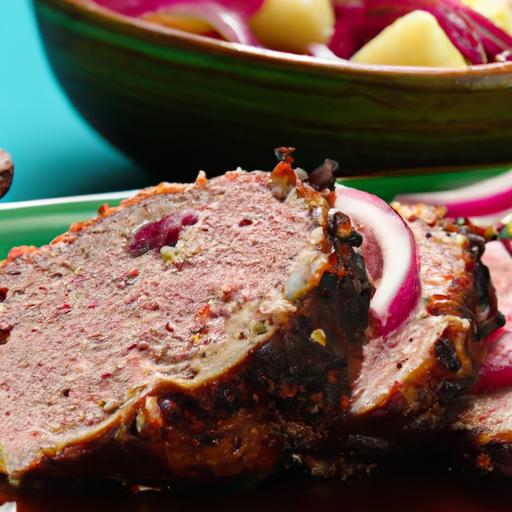
Slice your meatloaf into thick, juicy portions and serve with creamy mashed potatoes or buttery roasted vegetables. garnish with fresh chopped parsley or a sprinkle of chives to add a fresh herbal pop against the glaze’s rich sheen.A side of tangy coleslaw or a crisp green salad balances out the mains with a refreshing crunch.
| Nutritional Info (per serving) | Calories | Protein | carbs | Fat |
|---|---|---|---|---|
| Meatloaf with Glaze | 350 kcal | 28 g | 15 g | 18 g |
Explore foundational meatloaf recipes here for additional techniques. For an in-depth understanding of meat science and perfect glaze chemistry, check out this Serious Eats article.

Q&A
Q&A: The Secret to perfect Meatloaf Glaze – Tips & Recipes
Q1: Why is the glaze so important for meatloaf?
A: Think of the glaze as the crown jewel of your meatloaf – it transforms a simple dish into a mouthwatering masterpiece. It adds a shiny, flavorful finish that balances the savory meat with a touch of sweet, tangy, or smoky goodness. Without the glaze, your meatloaf might be tasty but lack that unforgettable punch that keeps everyone reaching for seconds.
Q2: What makes a meatloaf glaze “perfect”?
A: The perfect meatloaf glaze strikes a harmonious balance between sweetness, acidity, and depth. It should be thick enough to cling to the meatloaf without sliding off, glossy without being sticky, and vibrant enough to tantalize your taste buds. Achieving that magic involves the right combination of ingredients, timing, and technique.
Q3: What are the classic ingredients in a traditional meatloaf glaze?
A: A classic glaze usually features ketchup or tomato paste as a base-offering natural sweetness and acidity-balanced with brown sugar or honey for caramelized sweetness,and a splash of vinegar (like apple cider or balsamic) for tang. Sometimes a dash of Worcestershire sauce or mustard adds a savory depth. These ingredients meld into a luscious glaze that caramelizes beautifully in the oven.
Q4: Can I customize my meatloaf glaze to suit different flavors?
A: Absolutely! The glaze is your playground. For a smoky twist, add a dash of smoked paprika or chipotle powder. Want to add an Asian flair? Stir in some hoisin sauce, soy sauce, or sriracha. feeling adventurous? Try mixing maple syrup with Dijon mustard and a pinch of cayenne for a sweet-heat combo that dazzles. The key is balancing flavors so one doesn’t overpower the others.Q5: When and how should I apply the glaze?
A: Timing is everything! Slather the glaze on your meatloaf about 10-15 minutes before it finishes baking. This allows it to set into a gorgeous, sticky layer without burning. For an extra-thick coating, apply once when you insert the meatloaf into the oven and again near the end. Use a brush or the back of a spoon to spread the glaze evenly – your future self (and guests) will thank you.
Q6: are there any tips to prevent the glaze from burning?
A: Yes! Sence glazes often contain sugar, they can char quickly. To avoid this, keep your oven temperature moderate (around 350°F or 175°C), and apply the glaze later in the cooking process rather than at the very start. Tent the meatloaf loosely with foil if it browns too fast, and reserve some glaze to spoon on after baking for a fresh burst of flavor.
Q7: Could you share a simple, fail-proof meatloaf glaze recipe?
A: Here’s a classic crowd-pleaser:
- ½ cup ketchup
- 2 tablespoons brown sugar
- 1 tablespoon apple cider vinegar
- 1 teaspoon Worcestershire sauce
- Pinch of black pepper
Mix all ingredients together until smooth. Brush over your meatloaf 10 minutes before it finishes baking. For a glossy finish, brush a little more right after you take it out of the oven.Q8: Can I make the glaze ahead of time?
A: definitely! Make it a day or two ahead and store it in an airtight container in the fridge. the flavors meld and deepen, making your glaze even richer. Just give it a good stir before using, as some separation might happen.Warm it slightly to make glazing easier if needed.
Q9: Is the glaze gluten-free and keto-friendly?
A: Most basic glazes are gluten-free-especially those made with natural ingredients like ketchup, vinegar, and sugar alternatives-but always double-check packaged ingredients like Worcestershire sauce. For keto-friendly versions, swap brown sugar for low-carb sweeteners such as erythritol or monk fruit syrup. Adjust the quantities to taste and enjoy a guilt-free glaze!
Q10: What’s the ultimate takeaway for mastering the perfect meatloaf glaze?
A: Embrace the glaze as your secret weapon-balancing sweetness, tang, and depth transforms your meatloaf from everyday comfort food to culinary legend. Experiment with ingredients, apply it at the right time, and don’t forget: a perfect glaze is a marriage of technique and creativity. Your taste buds will celebrate, and so will your dinner guests!
In Summary
Unlocking the secret to the perfect meatloaf glaze is like discovering a hidden treasure in your kitchen-a glossy, flavorful crown that transforms a humble dish into a showstopper. With the right balance of sweetness,tang,and a touch of spice,your glaze can elevate every bite and make your meatloaf memorable for all the right reasons. Whether you prefer a classic tomato-based finish or an adventurous twist with maple and mustard,these tips and recipes give you the tools to glaze with confidence and creativity. So next time you’re ready to bake, remember: the perfect glaze isn’t just a topping-it’s the key to unlocking meatloaf magic. Happy glazing!