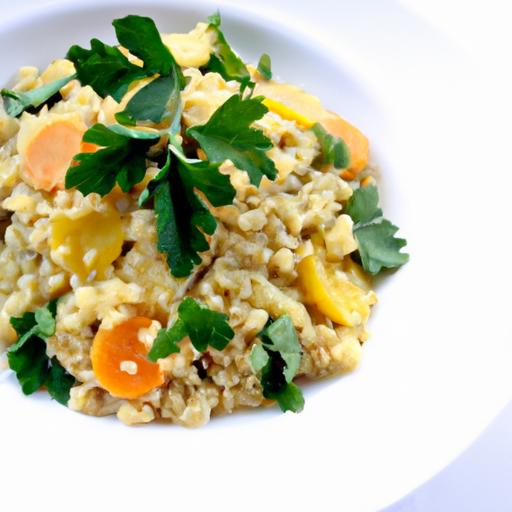

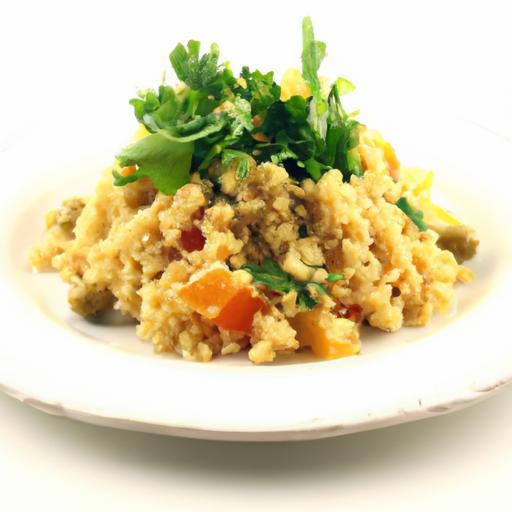
Few ingredients embody the spirit of effortless elegance quite like couscous. Tiny pearls of semolina that transform humble meals into culinary celebrations,couscous carries with it centuries of tradition from the sun-soaked kitchens of North africa to modern tables worldwide. Yet beneath its simple appearance lies a world of texture, aroma, and endless flavor possibilities waiting to be unlocked. In this flavorful guide,we embark on a journey to master couscous-from perfecting the classic fluffy base to exploring vibrant recipes that awaken the senses. Whether you’re a seasoned cook or a curious food lover, prepare to elevate your dishes with the timeless charm and versatility of couscous.
Mastering Couscous: A Flavorful Guide to Perfect Recipes
Mastering couscous unlocks a vibrant world of textures, aromas, and colors that make every meal unforgettable. This staple North African grain, cherished for centuries, transforms effortlessly from simple side to dazzling main dish. Whether you prefer fine Moroccan couscous, coarse Israeli pearl couscous, or hearty whole wheat varieties, understanding their unique characteristics is the key to elevating your culinary creations.
Prep and cook Time
- Readiness: 10 minutes
- Cooking: 15 minutes
- Total Time: 25 minutes
Yield
Serves 4 generous portions
Difficulty Level
Easy to Medium – perfect for cooks of all skill levels eager to master versatile grain dishes
Ingredients
- 1 ½ cups fine Moroccan couscous (or substitute with pearl couscous for a nuttier texture)
- 1 ¾ cups vegetable or chicken broth, preferably homemade or low-sodium
- 2 tbsp olive oil, plus extra for drizzling
- 1 medium onion, finely chopped
- 2 garlic cloves, minced
- 1 tsp ground cumin
- ½ tsp smoked paprika
- 1 tsp fresh lemon zest
- Fresh chopped parsley and cilantro (about ¼ cup each, loosely packed)
- Salt and freshly ground black pepper to taste
- Optional: toasted pine nuts or slivered almonds for garnish
Instructions
- Prepare the broth: In a medium saucepan, warm the vegetable or chicken broth with the cumin, smoked paprika, and a pinch of salt. Bring just to a boil, then reduce heat to low and keep warm.
- Sauté aromatics: In a large skillet, heat 2 tbsp olive oil over medium heat. Add the finely chopped onion and sauté until translucent, about 5 minutes. Stir in the garlic and cook for another minute until fragrant.
- Toast the couscous: add the dry couscous to the skillet with the onions and garlic. Stir frequently for 2-3 minutes until the grains are lightly toasted and smell nutty. This step enhances flavor and creates beautifully separate grains after cooking.
- Combine couscous and broth: Carefully pour the warm spiced broth over the toasted couscous. Instantly cover the skillet tightly with a lid or foil and remove from heat. let it steam for 8-10 minutes without lifting the lid to ensure even fluffing.
- Fluff and season: Once the couscous has absorbed all the liquid, uncover and use a fork to gently fluff the grains, separating them fully. Stir in the fresh lemon zest, chopped herbs, and adjust seasoning with salt and pepper.
- Finish with texture: For an added layer, drizzle with a tablespoon of olive oil or toss with toasted pine nuts or slivered almonds. This adds a delightful crunch and rich nuttiness.
- Serve warm: Transfer to a vibrant serving bowl and garnish with additional herbs or a squeeze of fresh lemon juice for brightness.
Tips for Success
- Choosing your couscous: Fine Moroccan couscous absorbs liquid quickly and works best in fluffy side dishes, while Israeli pearl couscous boasts a chewy, pasta-like bite perfect in salads or braised dishes.
- Broth matters: The flavor of your cooking liquid is essential. Use homemade broths or infuse store-bought with warm spices like cinnamon sticks, star anise, or cardamom pods for exotic layers.
- Fluff gently: Avoid stirring with a spoon; instead, use a fork to fluff without breaking the grains, preserving lightness and separating each kernel beautifully.
- Add-ins: Fold in roasted vegetables such as butternut squash, caramelized onions, or sautéed mushrooms for hearty texture and vibrant color contrast.
- Make-ahead: Prepare couscous up to a day in advance and store refrigerated. Reheat with a splash of broth and a speedy fluff for effortless meals.
Serving Suggestions
Pair your fluffy couscous with tender grilled chicken, spiced lamb kebabs, or roasted chickpeas for a vegetarian delight. Complement with vibrant vegetable medleys, such as harissa-roasted carrots or sautéed zucchini ribbons. A dollop of silky labneh, a drizzle of pomegranate molasses, and scattered toasted nuts will elevate each bite. Serve on colorful platters with fresh herb sprigs for an inviting, Instagram-worthy presentation that celebrates the rich traditions of this ancient grain.
| Nutrient | Per Serving |
|---|---|
| Calories | 220 kcal |
| Protein | 6 g |
| carbohydrates | 40 g |
| Fat | 5 g |

To explore creative couscous recipes that complement this technique, check out our Moroccan couscous Salad Collection. For a deep dive into couscous history and cultural importance, visit the Encyclopaedia Britannica entry on Couscous.
Q&A
Q&A: Mastering Couscous – A Flavorful Guide to Perfect Recipes
Q1: What makes couscous such a versatile ingredient in cooking?
A1: Couscous is like a culinary chameleon-its mild, slightly nutty flavor acts as a blank canvas that absorbs the essence of spices, herbs, and sauces. Its quick cooking time and delightful fluffy texture make it perfect for everything from vibrant salads and hearty stews to elegant main dishes.Q2: What’s the secret to achieving perfectly fluffy couscous every time?
A2: The magic lies in the water-to-couscous ratio and the resting technique. Use slightly boiling water or flavorful broth-about 1:1.25 ratio for most instant couscous varieties. After pouring the hot liquid over couscous, cover it tightly and let it steam undisturbed for 5-10 minutes.fluff gently with a fork to separate the grains without crushing them.
Q3: Can traditional couscous (the larger grain kind) be prepared like instant couscous?
A3: Traditional couscous, often handmade and larger, requires a bit more TLC. It’s typically steamed several times over simmering water or broth rather than just soaked. This process yields a light, airy texture and develops a richer flavor, ideal for authentic North African dishes.Q4: How can I infuse couscous with more intense flavor profiles?
A4: Switch up the liquid! Replace water with spiced broth, herbal teas, or coconut milk. Toss in aromatics like garlic, cardamom pods, or cinnamon sticks during cooking. Once fluffed, stir in freshly chopped herbs, lemon zest, toasted nuts, dried fruits, or a drizzle of flavored olive oil for bursts of complexity.
Q5: What are some creative ways to serve couscous beyond the classic side dish?
A5: Think of couscous as a gateway ingredient: stir it into veggie-packed salads with pomegranate seeds and feta; stuff it into bell peppers or grape leaves; top it with spiced grilled meats or roasted vegetables; or even transform it into a sweet dessert by cooking it with milk, honey, and a sprinkle of cinnamon.
Q6: How do I keep couscous fresh and prevent it from clumping if I’m prepping ahead?
A6: Once cooked and cooled, toss couscous with a little olive oil to coat the grains and prevent sticking. Store it in an airtight container in the fridge for up to 3 days. Before serving, gently re-fluff and warm if needed, adding fresh herbs or a splash of broth to revive its softness.
Q7: Is couscous gluten-free? Are there alternatives for those with dietary restrictions?
A7: Traditional couscous is made from semolina wheat, so it’s not gluten-free. For gluten-sensitive eaters,consider alternatives like Israeli (pearl) couscous made from corn or rice couscous varieties. Quinoa and millet are also fantastic grain substitutes that mimic couscous’s versatility and texture.
Q8: What cultural significance does couscous hold, and how has it influenced modern cooking?
A8: Couscous has centuries-old roots in North African cuisine, symbolizing community, party, and hospitality. Its adaptability has allowed it to transcend borders, becoming a beloved staple worldwide. Today, chefs embrace it to bridge traditional flavors with contemporary culinary creativity-honoring its heritage while reinventing how we enjoy this humble grain.
Closing Remarks
As you embark on your couscous journey, remember that this humble grain is more than just a side-it’s a versatile canvas waiting for your culinary creativity. From fluffy, steamed perfection to vibrant, spice-kissed dishes, mastering couscous opens doors to endless flavor combinations and cultural inspirations. So, dust off your saucepan, gather your favorite ingredients, and let each bite transport you to the sun-soaked kitchens where couscous has been celebrated for centuries.With this flavorful guide in hand, you’re ready to elevate your meals and savor the timeless magic of couscous, one perfect recipe at a time.