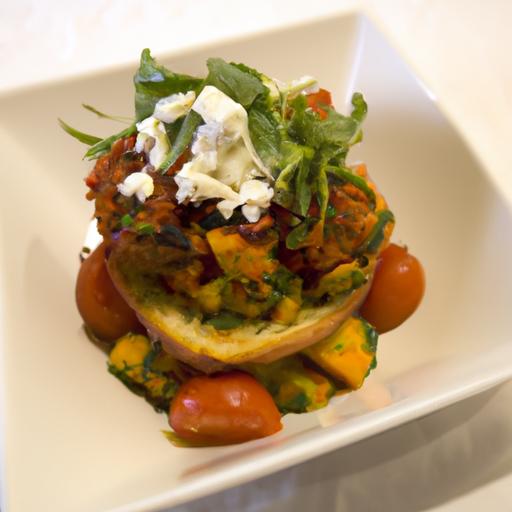

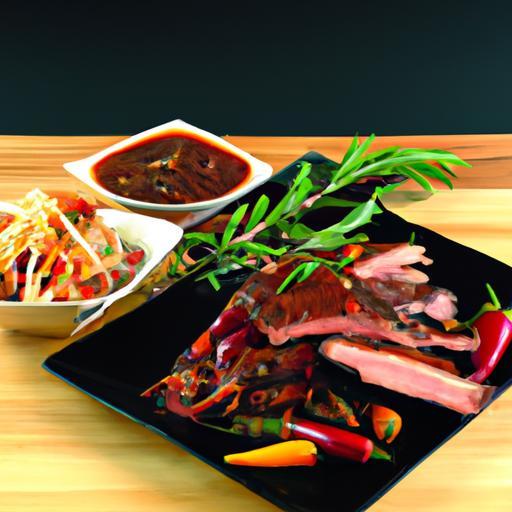
There’s a sizzling secret behind some of the most vibrant and flavorful dishes emerging from North African kitchens – a fiery, aromatic paste known simply as harissa. This bold blend of roasted red peppers, garlic, chili peppers, and exotic spices has long been cherished for its ability to ignite taste buds and transform ordinary meals into extraordinary culinary adventures. In “Harissa Heat: Spicing Up Recipes with Bold North African Flair,” we’ll dive into the rich history,versatile uses,and tantalizing flavors of harissa,exploring how this vibrant condiment adds a smoky,spicy kick that elevates everything from stews and soups to grilled meats and even snacks. Prepare to awaken your palate and infuse your cooking with the passionate heat of North Africa’s beloved chili paste.
Harissa heat ignites the senses with its rich tapestry of flavors, a true hallmark of North African culinary tradition. This vibrant chili paste, hailing from Tunisia and spreading through the Maghreb, showcases a robust blend of smoky, spicy, and aromatic notes that transform everyday dishes into bold, unforgettable experiences. Whether incorporated into classic stews or contemporary fusion dishes, harissa’s versatility makes it a pantry essential for any adventurous cook.
Prep and Cook Time
- Prep Time: 15 minutes
- Cook Time: 10 minutes
- Total Time: 25 minutes
Yield
Approximately 1 cup of homemade harissa, enough to enhance multiple dishes
Difficulty Level
Easy to Medium – perfect for beginners wanting to explore bold spices
Ingredients
- 10-12 dried red chili peppers (such as guajillo or ancho), stems removed
- 3 garlic cloves, peeled
- 1 tsp ground coriander
- 1 tsp ground cumin
- 1 tsp smoked paprika
- 1/2 tsp caraway seeds, lightly toasted
- 2 tbsp olive oil, plus extra for preserving
- 1 tbsp fresh lemon juice
- Salt, to taste
- Water, as needed to soften and blend
Instructions
- Soak the dried chilies. Place the dried red chili peppers in a bowl and cover them with hot water. Let them soak for about 15 minutes until softened, then drain thoroughly.
- Toast the spices. In a dry skillet over medium heat, lightly toast the coriander, cumin, smoked paprika, and caraway seeds until fragrant, about 2-3 minutes. Remove from heat and grind the caraway seeds if using whole.
- Blend the ingredients. in a food processor, combine the soaked chili peppers, garlic cloves, toasted spices, lemon juice, and salt. Pulse to start combining, then with the processor running, drizzle in 2 tablespoons of olive oil and enough water to reach a smooth, spreadable consistency.
- Adjust and store. Taste and adjust salt or lemon juice as needed. Transfer the harissa to a clean jar and cover the top with a thin layer of olive oil to preserve freshness.Store in the refrigerator for up to 3 weeks.
- Incorporate into dishes. Use harissa as a marinade, condiment, or cooking base to instantly elevate roasts, couscous, grilled vegetables, and even scrambled eggs.
Tips for Success
- For more heat, add small dried bird’s eye chilies or increase the quantity of red chilies.
- Balance boldness by adjusting lemon juice and olive oil to create a creamy texture that mellows the heat.
- Make your harissa ahead-it deepens in flavor after resting overnight.
- Use a blender if you don’t have a food processor, but pulse carefully to maintain texture.
- For a smoky twist,add a teaspoon of smoked sea salt in place of regular salt.
Serving Suggestions
Harissa works beautifully as a bold spread on crusty bread or stirred into yogurt for a cooling dip with a spicy kick. Drizzle it over roasted meats, grilled fish, or hearty vegetable tagines to add depth and warmth. Top roasted potatoes or scrambled eggs with a spoonful for a fiery finish. Garnish with fresh cilantro, toasted sesame seeds, or a squeeze of fresh lemon to highlight the paste’s complex flavors.

Pairing Harissa with Ingredients to Elevate Every Meal
To harness harissa heat effectively,think of it as a flavor powerhouse designed to complement and enhance a variety of ingredients. It pairs exceptionally well with creamy elements like labneh or avocado, providing a luscious counterpoint to its intensity. Harissa’s charred notes marry beautifully with grilled meats-lamb, chicken, or beef-while its acidity brightens up rich, starchy vegetables like roasted sweet potatoes or eggplant. Incorporate it into tomato-based sauces for an unexpected depth, or swirl it into hearty soups and stews to add layers of warmth and spice. This adaptability allows you to explore both traditional North African recipes and inventive contemporary creations with ease.
| Nutrient | Per 1 Tbsp |
|---|---|
| Calories | 25 kcal |
| Protein | 0.6 g |
| Carbohydrates | 3.5 g |
| fat | 1.4 g |
To dive deeper into the origins and uses of harissa, explore our related article on North African spices and their culinary meaning. For an authoritative overview of harissa’s cultural history, visit encyclopaedia Britannica.
Q&A
Q&A: harissa Heat – Spicing Up Recipes with Bold North African Flair
Q: What exactly is harissa?
A: Harissa is a fiery, aromatic chili paste originating from north Africa, notably Tunisia.It’s a vibrant blend of roasted red peppers, dried chili peppers, garlic, olive oil, and a mix of warm spices like cumin, coriander, and caraway seeds. This paste brings not just heat but a deep, smoky, and slightly sweet complexity to dishes.
Q: How does harissa differ from other chili pastes or hot sauces?
A: Unlike many hot sauces that focus solely on heat or tanginess, harissa delivers a harmonious balance of spice, earthiness, and a subtle fruity undertone.It’s thicker than typical hot sauces and often used as both a cooking ingredient and a condiment, allowing it to infuse rich flavors rather than just burning the palate.
Q: What are some traditional ways harissa is used in north African cuisine?
A: Traditionally, harissa is a staple to amp up couscous, grilled meats, stews, and vegetables. It’s commonly stirred into soups for warmth or spread on bread for a punch of flavor.In Tunisia, harissa is almost sacred-served alongside everything from shakshuka to seafood, lending its signature smoky fire.
Q: Can harissa be used in cooking outside of North African dishes?
A: Absolutely! Harissa’s boldness is incredibly versatile. It can add a spicy twist to marinades for chicken or tofu, elevate roasted vegetables, or even serve as a vibrant base for pasta sauces. Its depth complements Mediterranean, Middle Eastern, and even some fusion dishes beautifully.
Q: Is harissa very spicy? Can I control the heat level?
A: Harissa ranges from medium to hot, depending on the chili varieties and quantities used. If you prefer mild heat, you can buy or make gentler versions with fewer chilies or balance the spice by adding yogurt, cream, or olive oil into the dish. It’s all about customizing the fire to fit your taste!
Q: How do I make homemade harissa?
A: Making harissa at home involves roasting or soaking dried red chilies, then blending them with garlic, olive oil, spices (like cumin, coriander, caraway), and sometimes smoked paprika or tomato paste to enhance richness. The result is a fresh, vibrant paste you can tweak endlessly to suit your palate.
Q: Were can I find harissa in stores?
A: Harissa paste is widely available in Middle Eastern or international markets and increasingly in mainstream grocery stores’ international aisles. Look for brands that list natural ingredients and avoid those with excessive preservatives for the best flavor experience.
Q: How should harissa be stored?
A: Keep harissa refrigerated after opening, tightly sealed, immersed in olive oil if homemade, to preserve freshness and prevent drying. It can last for several weeks when stored properly, allowing you to enjoy its heat and flavor over time.Q: Any tips for beginners wanting to experiment with harissa?
A: Start small! Add a spoonful to soups, dips, or grilled dishes to explore how the spice plays with other ingredients. Pair harissa with cooling elements like yogurt, cucumber, or citrus to balance the heat. Most importantly, have fun discovering the bold flair that harissa brings to your kitchen creations!
Closing remarks
As the fiery hues of harissa dance across your palate, you’re reminded that this North African spice blend is more than just heat-it’s a vibrant story of culture, tradition, and flavorful adventure. Whether stirred into stews, blended into sauces, or simply brushed onto grilled meats and veggies, harissa brings a bold, smoky depth that transforms the everyday into the extraordinary.So next time you seek to awaken your recipes with a touch of daring spice, let harissa be your guide-offering not just heat, but a rich tapestry of North African flair that invites every bite to tell its own captivating tale.