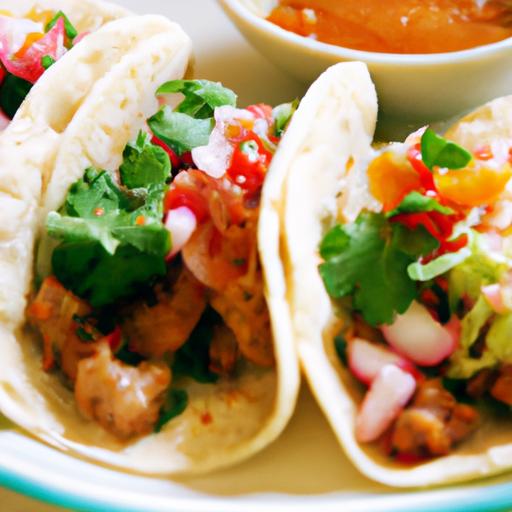

in the vibrant world of culinary creativity, few dishes capture the imagination quite like Korean tacos-a delicious dance of bold spices and fresh ingredients wrapped in a humble tortilla. Born from the spirited streets of Los Angeles, where Korean barbecue meets Mexican street food, these fusion flavors invite home cooks to embark on a flavorful adventure that transcends borders.Whether you’re a seasoned foodie or a curious kitchen explorer, making authentic Korean tacos at home is more than just a recipe-it’s an invitation to blend tradition with innovation and savor a truly unique culinary experience. Join us as we dive into the secrets, techniques, and ingredients that bring this mouthwatering fusion to life in yoru very own kitchen.
Fusion flavors unlock a world where traditional Korean marinades meet vibrant taco culture, delivering bold and tangy bites that celebrate culinary creativity. Mastering the art of Korean marinades not only means achieving layers of umami and spice but also blending textures and colors that amplify the taco experience at home.
Prep and Cook Time
- Planning: 25 minutes
- Marinating: 4 hours (preferably overnight)
- Cooking: 15 minutes
- Total: 5 hours (including marination)
Yield
- Serves 4 – 6 tacos
Difficulty Level
- Medium – Perfect for adventurous home cooks eager to explore fusion flavors.
Ingredients
- For the Korean Marinade:
- 1 lb thinly sliced beef ribeye or skirt steak
- 3 tbsp soy sauce (preferably Korean ganjang)
- 2 tbsp gochujang (Korean red chili paste)
- 1 tbsp sesame oil
- 2 tbsp brown sugar or honey
- 4 garlic cloves, minced
- 1-inch ginger piece, grated
- 2 green onions, chopped
- 1 tbsp rice vinegar
- 1 tsp freshly ground black pepper
- For Tacos:
- 8 small corn tortillas (warmed)
- 1 cup kimchi, drained and chopped
- 1 cup shredded napa cabbage slaw (tossed in lime juice and a pinch of salt)
- 1/2 cup sliced fresh cilantro
- 1/4 cup thinly sliced radishes
- 1/4 cup toasted sesame seeds
- 1 lime, cut into wedges
- Signature Korean Toppings:
- Gochujang crema: Mix 3 tbsp sour cream with 1 tbsp gochujang
- pickled jalapeños or Korean pickled daikon (optional)
Instructions
- Prepare the Korean marinade: In a bowl, whisk together soy sauce, gochujang, sesame oil, brown sugar, garlic, ginger, green onions, rice vinegar, and black pepper until smooth.
- Marinate the beef: Add thinly sliced beef to the marinade,toss to coat evenly. Cover and refrigerate for at least 4 hours, ideally overnight, allowing the meat to absorb the bold flavors deeply.
- Cook the beef: Heat a cast-iron skillet or grill pan over medium-high heat. Add marinated beef slices in a single layer and sauté until caramelized and just cooked through, about 2-3 minutes per side.Avoid overcrowding to achieve a perfect sear.
- warm the tortillas: Lightly warm corn tortillas over an open flame or in a dry skillet to increase pliability and enhance their earthy aroma.
- Assemble the tacos: Layer each tortilla with a generous helping of cooked beef, a spoonful of kimchi, and crisp napa cabbage slaw for crunch and brightness.
- add toppings: Drizzle gochujang crema on top,scatter radishes,cilantro leaves,toasted sesame seeds,and finish with a squeeze of fresh lime juice to elevate each bite.
- Serve immediately: Enjoy these fusion flavors fresh for the best texture contrast and tangy flavor burst.
Tips for success
- Meat Substitution: For a leaner option, use chicken thighs or pork belly, adjusting marinate time accordingly-chicken needs less.
- Make-Ahead Marinade: The marinade doubles as a versatile Korean BBQ sauce. Double the batch to save for salads, rice bowls, or grilled veggies.
- Balance Heat: Adjust the amount of gochujang in the marinade and crema to control spice intensity without losing signature tang.
- fresh Tortillas: Use fresh corn tortillas for authenticity; if unavailable, flour tortillas are a softer, milder choice.
- Presentation: Layer toppings with contrasting colors and textures to maximize visual appeal and sensory excitement.
- Internal Link: Pair with our Korean Quesadilla recipe to complete the fusion fiesta at home.
Serving Suggestions
Serve these vibrant tacos on a rustic wooden board or colorful ceramic plates to enhance the fusion vibe visually. Accompany with a chilled Korean-style lager or a refreshing cucumber-mint agua fresca. Garnish with extra lime wedges and a small bowl of pickled jalapeños for heat seekers. A sprinkle of toasted sesame seeds and ribbons of fresh cilantro bring the tacos to life through color and aroma.
| Nutrient | Per Serving (2 tacos) |
|---|---|
| Calories | 420 kcal |
| Protein | 28 g |
| Carbohydrates | 35 g |
| Fat | 15 g |

Master the bold tang of Korean marinades combined with fresh,vibrant toppings for tacos bursting with fusion flavors.
Learn more about authentic Korean ingredients and their impact on global cuisine at Maangchi’s Gochujang Guide.
Q&A
Q&A: Fusion flavors – How to Make Authentic Korean Tacos at Home
Q1: What makes Korean tacos different from traditional tacos?
A1: Korean tacos are a vibrant fusion of Mexican and Korean culinary traditions. While traditional tacos typically feature fillings like seasoned beef, pork, or chicken with classic Mexican toppings, Korean tacos introduce bold, savory-sweet elements like bulgogi, kimchi, and gochujang sauce. This blend creates a symphony of spicy, tangy, and umami flavors wrapped in a soft tortilla, delivering a unique twist on a beloved street food.
Q2: What key ingredients do I need to create authentic Korean tacos?
A2: To capture that authentic Korean taco essence, you’ll want to assemble a few signature ingredients: marinated bulgogi beef or spicy pork, pickled kimchi, fresh cilantro, crunchy radish slaw, gochujang-based sauce, and soft corn or flour tortillas. The fusion comes alive when the salty, sweet, and spicy flavors marry with the radiant crunch of fresh vegetables and the warmth of the tortillas.
Q3: How do I prepare the bulgogi for the perfect Korean taco filling?
A3: Start by thinly slicing beef-ribeye or sirloin works beautifully-and marinating it in a mix of soy sauce,brown sugar,sesame oil,garlic,ginger,and a touch of pear juice or apple for natural sweetness and tenderizing. Let it soak for at least an hour to absorb the flavors. Than,quickly grill or pan-fry the beef over high heat to develop caramelized edges while keeping it juicy inside. This balance is key to the iconic bulgogi taste.Q4: Can I make Korean tacos vegetarian or vegan?
A4: Absolutely! Swap the meat for hearty tofu, tempeh, or even grilled mushrooms marinated in the same bulgogi sauce. For the slaw and toppings, stick with fresh vegetables, kimchi (check for fish sauce if vegan), and add creamy avocado or a drizzle of vegan mayo mixed with sriracha for that spicy kick. This keeps the integrity of flavors while embracing plant-based goodness.
Q5: What’s the secret to achieving authentic Korean flavors without being in Korea?
A5: The magic lies in layering flavor and fermenting key ingredients at home or sourcing authentic Korean staples from specialty stores.Homemade kimchi or a quick refrigerator kimchi can add a punch of tanginess; using real gochujang (Korean chili paste) introduces a complex spice different from common hot sauces. Balanced seasoning, patience with marinating, and fresh garnishes will bring your kitchen tacos alive with Korean spirit.
Q6: How should I serve and enjoy Korean tacos for a memorable meal experience?
A6: Serve your Korean tacos family-style with a variety of banchan (Korean side dishes) like pickled radishes, steamed rice, and miso soup if you want to elevate the experience. Encourage guests to build their own tacos,layering bulgogi,kimchi,slaw,and finishing with a squeeze of lime and sprinkle of toasted sesame seeds. Pair with a crisp Korean beer or a light soju cocktail for a festive touch.
Q7: Any tips for making the tortilla shells that complement Korean taco fillings?
A7: Soft corn tortillas offer an authentic Mexican base and a slightly nutty flavor that contrasts beautifully with Korean fillings. Warm them gently on a dry skillet to make them pliable and fragrant. If you prefer flour tortillas, aim for small, thin ones to avoid overpowering the filling. For an adventurous twist, try making a scallion pancake “taco shell” for a fully Korean-style vessel.
Creating Korean tacos at home is a delightful journey of cultural collaboration on your plate.By blending spicy, sweet, and tangy Korean flavors with the informal charm of Mexican street food, you invite a world of fusion into your kitchen-one delicious bite at a time.
Closing Remarks
As the vibrant flavors of spicy gochujang meet the smoky allure of charred tortillas, making authentic Korean tacos at home becomes more than just a meal-it’s a culinary adventure that bridges cultures and tantalizes the taste buds. with a few simple ingredients and a dash of creativity, you can transform your kitchen into a fusion hotspot, crafting dishes that honor tradition while embracing bold new twists. So go ahead, don your apron, fire up the stove, and let the harmonious dance of Korean spices and Mexican staples inspire your next unforgettable taco night. Your taste buds-and guests-will thank you.