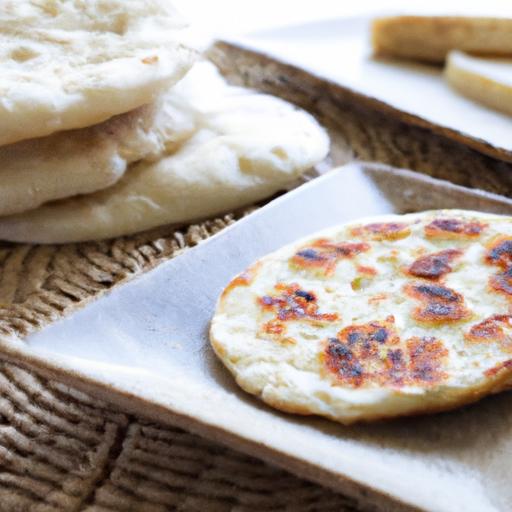

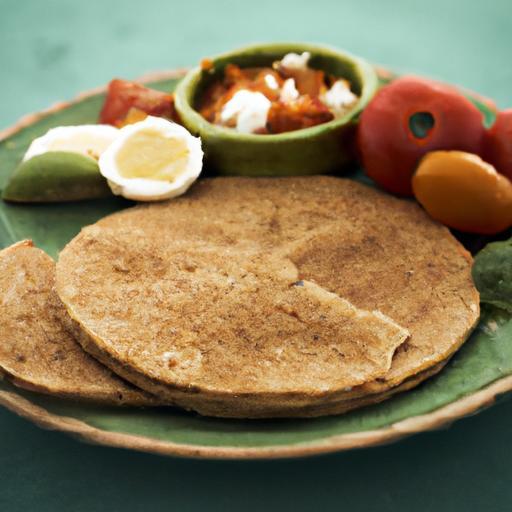
In a world where comfort foods frequently enough come with a side of guilt, discovering a wholesome choice feels like unearthing a hidden treasure. Enter the coconut flour flatbread-a beautiful marriage of tradition and nutrition that transforms a simple staple into a healthful delight. this humble flatbread, crafted from the naturally gluten-free, fiber-rich coconut flour, offers a light yet satisfying base that complements everything from savory wraps to sweet spreads. Join us as we explore how this ancient grain-free marvel is reinventing the way we enjoy flatbreads, blending time-honored culinary heritage with modern wellness trends for a truly nourishing experience.
The Nutritional Powerhouse Behind Coconut Flour
Wholesome coconut flour flatbread is more than just a gluten-free alternative-it’s a nutrient-rich option that transforms your meal into a wholesome experience. Derived from the dried meat of mature coconuts, this flour is gluten-free, high in fiber, and packed with healthy fats and protein. It’s naturally low in carbohydrates and has a mild, subtly sweet flavor that enhances both savory and sweet dishes. This unique nutritional profile not only supports digestive health but also helps sustain energy levels, making flatbreads made with coconut flour an excellent choice for anyone seeking a balanced, nutrient-dense meal.
Coconut flour is also loaded with antioxidants and minerals such as iron, magnesium, and potassium. Unlike customary wheat flour, it’s low on the glycemic index, helping control blood sugar spikes. When you master this ingredient, you unlock a world of healthful possibilities without sacrificing flavor or texture.
Mastering the Art of Perfect Texture and Flavor
The key to achieving the perfect texture with coconut flour lies in balancing moisture and binding agents. As coconut flour absorbs much more liquid than conventional flours, you’ll need to adjust your recipe accordingly to avoid dry or crumbly flatbreads. Using eggs or a flax egg substitute helps provide the structure needed, while a touch of olive oil or coconut oil adds tenderness and flavor.
Start with well-beaten eggs and mix the wet ingredients thoroughly before folding in the coconut flour to prevent lumps. Giving the batter time to rest for 5-10 minutes before shaping allows the flour to fully hydrate, improving pliability and crumb. Cooking over medium-low heat ensures each flatbread gets a beautifully golden crust without burning-turn carefully after 2-3 minutes when bubbles rise to the surface.
Creative Ways to Enjoy Your Coconut Flour Flatbread
These flatbreads are incredibly versatile, lending themselves well to numerous flavor profiles and meal times. for a Mediterranean twist, brush warm flatbreads with garlic-infused olive oil and sprinkle za’atar before serving.Use as a base for vibrant grilled vegetable and hummus wraps or top with smoked salmon and a dollop of Greek yogurt for an elegant appetizer.
For sweeter variations, spread almond butter and fresh berries or drizzle with honey and cinnamon. Coconut flour flatbreads also pair wonderfully with rich curries or as a pizza crust alternative topped with your favorite sauces and cheeses.
Tips for Incorporating Flatbread Into a Balanced Diet
Incorporate these nutrient-packed flatbreads into your diet as a clever, satisfying substitute for refined carbs. Their high fiber content supports gut health and sustained fullness. Pair them with a colorful array of vegetables, lean proteins, and healthy fats to create balanced plates that nourish body and soul.
Try to alternate with whole grain or legume-based flatbreads to benefit from diverse nutrient profiles. Store leftovers wrapped in parchment in the refrigerator and gently reheat to preserve softness. Experiment with fresh herbs or seeds mixed into the dough for added texture and micro-nutrients.
Prep and cook Time
- Preparation: 10 minutes
- Resting: 10 minutes
- Cooking: 15 minutes
- Total: 35 minutes
Yield
Makes 6 medium-sized flatbreads (serves 3-4)
Difficulty Level
Easy
Ingredients
- ½ cup coconut flour, sifted
- 4 large eggs, room temperature
- ¼ cup coconut milk (or any plant-based milk)
- 2 tbsp melted coconut oil (plus extra for cooking)
- 1 tsp baking powder
- ¼ tsp sea salt
- 1 tsp honey or maple syrup (optional, to balance flavor)
Instructions
- In a medium bowl, whisk together the eggs, coconut milk, melted coconut oil, and honey until the mixture is smooth and uniform.
- Combine the coconut flour, baking powder, and sea salt in a separate bowl and gradually add to the wet ingredients while stirring to avoid lumps.
- Let the batter rest for 10 minutes to allow the coconut flour to absorb the liquids, resulting in a slightly thick dough.
- Heat a non-stick skillet over medium-low heat and lightly grease with coconut oil.
- Using a ¼ cup measure, pour the batter into the skillet, then gently spread it into a 6-inch circle with a spatula.
- Cook for 2-3 minutes, watching for bubbles to form on the surface.Carefully flip and cook the other side for an additional 2 minutes or until golden brown.
- Transfer cooked flatbread to a wire rack to cool slightly. Repeat with remaining batter, adding more oil as needed.
Chef’s Notes
- Variations: Add fresh chopped herbs like rosemary or cilantro to the batter for a fragrant twist.
- Substitutions: Use flax eggs (1 tbsp ground flaxseed + 3 tbsp water per egg) for a vegan option.
- Troubleshooting: If your flatbreads crumble, add an extra egg or 1 tbsp coconut milk to boost moisture.
- Make-Ahead: Store flatbreads in an airtight container in the fridge for up to 3 days or freeze for longer.
Serving Suggestions
Serve warm flatbreads brushed with a drizzle of garlic oil and sprinkled with fresh parsley for an appealing presentation. Top with creamy avocado slices, a sprinkle of chili flakes, or a handful of microgreens to enhance texture and flavor complexity. Pair alongside a vibrant salad or use as a handheld wrap for grilled chicken or roasted vegetables. Their slightly sweet, nutty undertones complement dips such as tzatziki, baba ganoush, or spiced lentil spreads.

| Nutrient | Per Flatbread (approx.) |
|---|---|
| Calories | 120 kcal |
| Protein | 6 g |
| Carbohydrates | 9 g (Fiber 5 g) |
| Fat | 7 g |
For more healthy flatbread recipes, check out our gluten-free flatbread collection. Learn about the science of fiber-rich flours at British Nutrition Foundation.
Q&A
Wholesome Coconut Flour Flatbread: A Healthy Twist on Tradition – Q&A
Q: What makes coconut flour flatbread a wholesome alternative to traditional flatbreads?
A: Coconut flour flatbread uses nutrient-rich coconut flour instead of refined wheat flour, making it grain-free, gluten-free, and high in fiber. This means it’s gentler on the digestive system, supports stable blood sugar levels, and adds a subtle, naturally sweet flavor that elevates any meal.
Q: How does the texture and taste of coconut flour flatbread differ from regular flatbread?
A: Coconut flour flatbread tends to be softer and more delicate with a slightly crumbly texture, thanks to its high fiber content. Its mild coconut flavor adds a hint of tropical warmth, offering a unique twist that pairs beautifully with both savory and sweet toppings.
Q: Is coconut flour flatbread suitable for people with dietary restrictions?
A: Absolutely! It’s perfect for those following gluten-free, paleo, or low-carb diets. Plus, since it’s grain-free, it’s a great alternative for individuals with gluten sensitivities or allergies, opening doors to enjoy flatbread without worry.
Q: What are the key ingredients to make wholesome coconut flour flatbread?
A: The essentials include coconut flour, eggs (or egg substitutes for vegan options), a healthy fat like coconut oil or olive oil, a pinch of salt, and a leavening agent such as baking powder. These simple pantry staples combine to create a nutrient-dense, flavorful flatbread.
Q: Can coconut flour flatbread be used in everyday cooking like traditional flatbread?
A: Definitely! Whether you’re whipping up wraps, dipping into hummus, layering sandwiches, or serving alongside curries and stews, coconut flour flatbread is versatile enough to slip seamlessly into your favorite dishes, adding a wholesome twist without compromising on taste.
Q: Does cooking with coconut flour require any special techniques?
A: Coconut flour behaves differently than wheat flour due to its high absorbency. It requires careful measurement of liquids to prevent dryness and often benefits from longer resting times to hydrate fully. With a little practice, you’ll master the art of this delicate, delicious flatbread.
Q: Why is coconut flour considered a healthy ingredient?
A: Beyond being gluten-free and low-carb, coconut flour is packed with dietary fiber and healthy fats. It helps promote digestive health, supports sustained energy, and contributes to satiety, making it an excellent choice for mindful eating.
Q: How does embracing coconut flour flatbread reflect a modern twist on a traditional food?
A: Flatbread is a timeless staple found in cultures worldwide.By innovating with coconut flour, we honour this tradition while embracing modern nutrition needs-crafting a bridge between heritage and health that everyone can enjoy.
Q: Where can one find coconut flour, and is it easy to incorporate into cooking?
A: Coconut flour is widely available in health food stores and online. While it requires a bit of adjustment compared to regular flour,its versatility and flavorful results quickly turn it into a beloved pantry essential for wholesome cooking adventures.
This Q&A shines a light on why coconut flour flatbread is not just a trend,but a delicious,nutrient-packed evolution of a traditional favorite-inviting everyone to savor a healthier slice of life.
To Wrap It Up
In embracing coconut flour flatbread, we’re not just reviving a classic staple-we’re reimagining it through a wholesome, nourishing lens.This healthy twist invites both tradition and innovation to the table, delivering a flatbread that’s as kind to your body as it is rich in flavor. Whether you’re seeking gluten-free options,a boost of nutrients,or simply a new culinary adventure,coconut flour flatbread offers a delicious bridge between the past and the present. So next time you crave the comforting simplicity of flatbread, consider this gentle, grain-free alternative-a small change with big benefits that celebrates health without compromising heart.