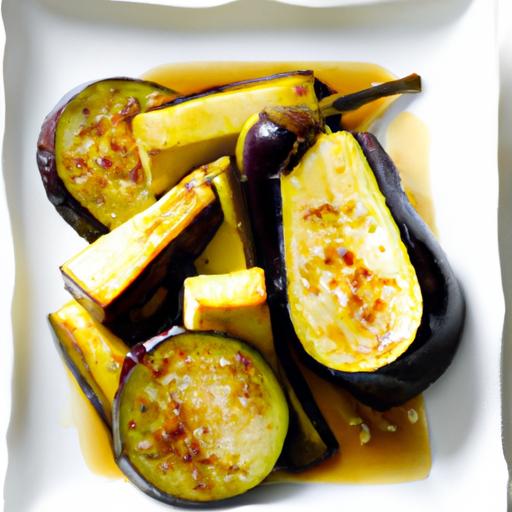

In the vibrant mosaic of global cuisine, few ingredients captivate the palate quite like Chinese eggplant. With its slender, glossy purple skin and tender, velvety flesh, this humble vegetable transforms ordinary dishes into a symphony of flavor and texture. From bustling street markets to refined dining tables, Chinese eggplant carries centuries of culinary tradition, inviting food lovers on a flavorful journey that spans savory stir-fries, fragrant braises, and smoky grilled delights. Join us as we delve into the rich heritage, versatile cooking techniques, and tantalizing recipes that make savoring Chinese eggplant an unforgettable experience for both home cooks and gastronomes alike.
Savoring Chinese eggplant reveals a delightfully tender yet silky texture uniquely distinguishable from its globe-shaped cousins. This slender, dark-purple vegetable effortlessly soaks up aromatic sauces and rich flavors, making it a beloved ingredient across regional Chinese cuisines. My first memory of Chinese eggplant was in a bustling Sichuan kitchen, where a humble stir-fry transformed into a luscious symphony of taste and texture – tender, creamy flesh wrapped in a vibrant, glossy glaze. Whether gently braised or flash-fried, mastering Chinese eggplant unlocks an incredible sensory experience that elevates any dish.
Prep and Cook Time
- Planning: 15 minutes
- Cooking: 20 minutes
- Total Time: 35 minutes
Yield
Serves 4 as a flavorful side dish or light main course.
Difficulty Level
Medium – Perfect for cooks familiar with sautéing and sauce balancing.
Ingredients
- 3 medium Chinese eggplants (about 600g), cut into 2-inch batons
- 2 tablespoons vegetable oil (or peanut oil for higher smoke point)
- 4 cloves garlic, finely minced
- 1 tablespoon fresh ginger, grated
- 2 scallions, thinly sliced
- 2 tablespoons soy sauce (preferably light soy sauce)
- 1 tablespoon Shaoxing wine (optional, for depth)
- 1 tablespoon black vinegar (or Chinese Chinkiang vinegar)
- 1 teaspoon chili paste (adjust to taste)
- 1 tablespoon brown sugar
- 1 teaspoon cornstarch mixed with 2 tablespoons water (slurry)
- 1/4 cup water (add more as needed)
- Fresh cilantro and toasted sesame seeds, for garnish
Instructions
- Prepare the eggplants: Start by cutting the Chinese eggplants into long, even batons for consistent cooking. To prevent bitterness and excess oil absorption, sprinkle lightly with salt and let them sit for 10 minutes, then rinse and pat dry thoroughly.
- Heat the wok or sauté pan: Warm the vegetable oil over medium-high heat until shimmering. Add the eggplant pieces in a single layer and sear without crowding. Sauté until they begin to soften and develop golden patches, about 6-7 minutes, flipping occasionally for even color. Remove and set aside.
- Sauté aromatics: Reduce heat slightly and add minced garlic, grated ginger, and the white part of the scallions. Stir-fry for about 30 seconds until fragrant but not burnt.
- Add sauces and seasoning: Pour in the soy sauce, Shaoxing wine, black vinegar, chili paste, and brown sugar. Stir to combine and let the sauce bubble for 1-2 minutes until the sugar dissolves.
- Return eggplants to the pan: Gently fold the seared eggplants back into the sauce. Add water little by little to create a glossy, luscious coating. Cover and simmer for 5-7 minutes until the eggplants are completely tender and infused with flavor.
- Thicken the sauce: Stir the cornstarch slurry and slowly drizzle it into the pan while stirring. Cook for an additional 1-2 minutes until the sauce thickens and clings beautifully to every piece.
- Finish and garnish: Remove from heat and sprinkle with sliced scallions (green parts),fresh cilantro leaves,and toasted sesame seeds for an irresistible burst of aroma and texture contrast.
Tips for success
- Oil absorption: Chinese eggplants are spongy and prone to soaking oil. Salting and resting before cooking helps minimize this. Alternatively, blanching briefly in boiling water will give a softer texture with less oil.
- Flavor balance: The magic lies in balancing salty soy,tangy vinegar,mild sweetness,and chili heat. Adjust chili paste and sugar in small increments according to your palate.
- Variations: Add ground pork or finely diced shiitake mushrooms for a heartier dish. for a smoky touch,try finishing with a splash of toasted sesame oil.
- Make-ahead: The dish tastes even better the next day after flavors meld. Reheat gently to prevent overcooking the tender eggplants.
Serving Suggestions
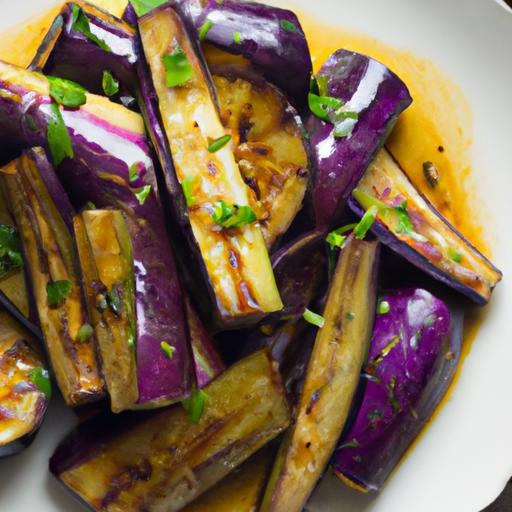
Serve this luscious eggplant stir-fry alongside steamed jasmine rice or your favorite chinese noodles.The silky texture and beautifully balanced sauce elevate simple grains to a comforting feast. For a colorful presentation, plate on a large white platter to showcase the deep purple hues contrasted by vibrant green herbs. accompany with a light cucumber and carrot salad to refresh the palate. A side of crispy spring rolls adds inviting crunch to the meal.

Nutritional Information per Serving
| Nutrient | Amount |
|---|---|
| Calories | 180 kcal |
| Protein | 3 g |
| Carbohydrates | 14 g |
| Fat | 12 g |
For those interested in exploring more Chinese vegetable recipes, this eggplant dish offers a perfect introduction to bold yet accessible flavors. Additionally, discover the science behind perfect eggplant texture at Serious Eats, a trusted culinary resource.
Q&A
Q&A: Savoring Chinese Eggplant – A Flavorful Culinary Journey
Q1: What makes chinese eggplant different from other varieties?
A1: Chinese eggplant stands out with its slender, elongated shape and vibrant purple skin. Unlike the more bulbous and spongy globe eggplants, Chinese eggplants boast tender flesh and fewer seeds, making them ideal for dishes that require a creamy texture and delicate flavor.
Q2: How would you describe the flavor of Chinese eggplant?
A2: The flavor of Chinese eggplant is subtly sweet with a mild earthiness. Its tender flesh readily absorbs sauces and spices, acting as a flavorful sponge that elevates a dish without overpowering it. When cooked properly,it transforms into a silky,melt-in-your-mouth delight.
Q3: What are some classic dishes that showcase Chinese eggplant?
A3: chinese cuisine offers an array of dishes featuring this versatile vegetable – from the smoky, savory delights of yú xiāng qié zi (fish-fragrant eggplant) to stir-fried gems with garlic and chili, and even stewed eggplant in soy-braised broths. Each preparation highlights different facets of its texture and taste.
Q4: Are there particular cooking techniques that work best with Chinese eggplant?
A4: Absolutely! Stir-frying and sautéing are perfect for preserving its tender texture and coaxing out sweetness. Roasting or grilling imparts a smoky depth, while steaming keeps it delicate and soft.The key is avoiding overcooking, which can turn the eggplant mushy and dilute its vibrant flavor.
Q5: Can chinese eggplant be used in fusion or non-Chinese dishes?
A5: Definitely! Its adaptable nature makes Chinese eggplant a fantastic ingredient in a variety of culinary contexts – think roasted eggplant salads drizzled with miso dressing, creamy pastas infused with Asian spices, or even crispy tempura bites paired with zesty dipping sauces. Culinary fusion buffs cherish it for its ability to absorb global flavors seamlessly.
Q6: What nutritional benefits does Chinese eggplant offer?
A6: Beyond its delightful taste, chinese eggplant is low in calories and packed with dietary fiber, vitamins B1 and B6, and antioxidants like nasunin – a compound linked to fighting free radicals. It’s a nourishing choice for those who want to enjoy indulgent flavors without guilt.
Q7: Any tips for selecting and storing Chinese eggplant?
A7: When shopping, look for eggplants with smooth, glossy skin free of blemishes or wrinkles. They should feel firm but not hard. To store, keep them in a cool, dry spot and use within a couple of days for optimal freshness – their delicate skin doesn’t fare well in prolonged refrigeration.Q8: How can home cooks start their own flavorful adventure with Chinese eggplant?
A8: Begin simple: sauté strips of Chinese eggplant with garlic, ginger, a splash of soy sauce, and a hint of chili. Let the eggplant soak up the flavors while becoming tender and luscious. From there, experiment with adding ground pork, tofu, or different herbs to create your personalized culinary journey.
Embarking on the journey of savoring Chinese eggplant invites your palate to discover a world where subtle sweetness meets rich umami, and tender textures dance with bold spices. Whether you’re a culinary novice or a seasoned chef, this vibrant vegetable offers endless inspiration for flavorful creations.
Future Outlook
As we close the chapter on our flavorful exploration of Chinese eggplant, it’s clear that this humble vegetable is far more than a simple ingredient. With its tender texture, subtle sweetness, and remarkable ability to absorb bold spices and sauces, Chinese eggplant invites cooks and food lovers alike to embark on a culinary journey that celebrates tradition and creativity. Whether stir-fried, braised, or roasted, each bite reveals layers of history and culture, making every dish an experience to savor. so next time you encounter this glossy, violet gem at the market, remember: within its slender form lies a world of taste waiting to be discovered-one delicious forkful at a time.