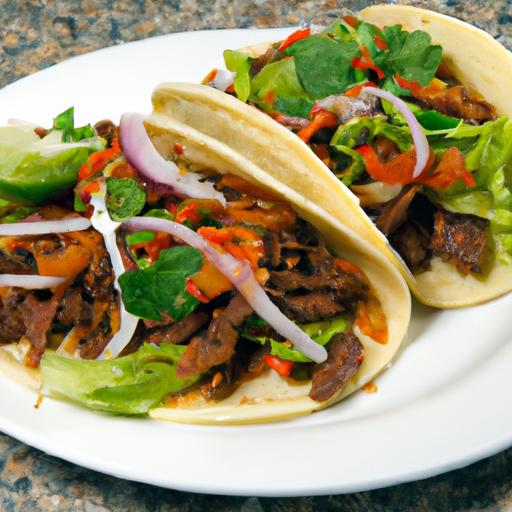

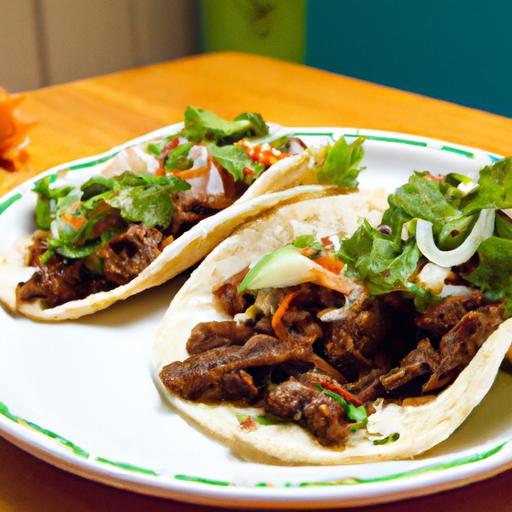
In the vibrant world of global cuisine,few dishes capture the spirit of cultural fusion quite like Bulgogi Tacos. marrying the bold, savory sweetness of Korea’s beloved bulgogi-tender, marinated beef grilled to perfection-with the handheld, festive charm of Mexican tacos, this inventive creation offers a culinary adventure that transcends borders. As food lovers seek new and exciting flavors, Bulgogi Tacos stand out as a delicious testament to how tradition and innovation can come together on a single plate. Join us as we explore the origins, flavors, and irresistible appeal of this flavorful fusion that’s taking the foodie scene by storm.
Exploring the Origins of bulgogi and Its Cultural Significance
Bulgogi tacos beautifully combine the rich heritage of Korean bulgogi with the vibrant zest of Mexican street food, creating an irresistible fusion that’s more than just a meal-it’s a culinary adventure. Bulgogi, a staple in Korean cuisine, traces its roots back centuries as a royal dish of thinly sliced marinated beef grilled over an open flame. Traditionally, bulgogi’s marinade features a delicate balance of soy sauce, garlic, sugar, sesame oil, and Asian pear, celebrating harmony between sweet, savory, and umami flavors. This melding of robust flavors and grilling technique evokes a sense of communal dining and celebration in Korean culture.
When you infuse bulgogi into a taco, you invite an interplay of textures and tastes: the tender, caramelized beef paired with fresh, crunchy toppings wrapped in handcrafted taco shells. This dish symbolizes the unity of two distinct culinary legacies,inviting everyone to savor the joy of cultural exchange in every bite.
The Art of Marinating Bulgogi for Authentic Korean Flavor
Mastering bulgogi begins with marination,where patience and the right blend of ingredients transform ordinary beef into tender,flavorful perfection. start with thinly sliced ribeye or sirloin for the ideal balance of fat and tenderness. The secret lies in the marinade’s components: asian pear juice tenderizes, while soy sauce, garlic, ginger, and sesame oil build depth and aroma. A touch of brown sugar softens the flavors with gentle sweetness, helping the meat caramelize beautifully when cooked.
For best results, marinate the beef for at least 4 hours, though overnight elevates the complexity and tenderness. Ensure all slices are evenly coated, occasionally massaging the marinade into the meat to maximize absorption. This step elevates the bulgogi tacos by maintaining the authentic Korean flavor profile harmonious to the dish’s roots.
Crafting the Perfect Taco Shells to Complement Bold Tastes
The taco shell is more than a vessel; it’s a balance point where texture and flavor unite.Traditional corn tortillas offer a rustic chewiness and subtle corn sweetness, perfect for grounding bold bulgogi flavors. To achieve crisp yet pliable taco shells, heat a skillet over medium-high until shimmering, then warm each tortilla 20-30 seconds per side to develop a slight char without becoming brittle.
For those craving a creative twist, flour tortillas provide a soft, supple alternative that wraps the meat and toppings in comforting warmth, while lightly toasting them sprays a touch of indulgence. Consider brushing the shells with a thin layer of sesame oil before warming to infuse a nutty nuance that echoes your marinade’s sesame undertones.
Topping Ideas and Serving Suggestions for Bulgogi Tacos
Elevate your bulgogi tacos with toppings that bring freshness, crunch, and color contrast. Thinly sliced cabbage slaw dressed in a tangy sesame vinaigrette adds crisp brightness against the rich marinated beef. Fresh cilantro leaves and finely chopped green onions inject herbal brightness, while a drizzle of spicy Gochujang mayo lends creamy heat that complements the smoky meat.
for an extra layer of texture and surprise, scatter roasted sesame seeds and crunchy pickled radishes or jalapeños. Serve with lime wedges on the side to add an optional zesty pop, increasing the vibrancy of every bite.
Prep and Cook Time
- preparation: 20 minutes (plus 4-12 hours marinating)
- Cooking: 10-12 minutes
- Total Time: Approximately 4.5 – 12.5 hours (including marinating)
Yield
- Serves 4-6
Difficulty Level
- Medium
Ingredients
- 1 lb thinly sliced ribeye or sirloin beef
- 1/4 cup soy sauce
- 2 tbsp brown sugar
- 1 Asian pear, grated
- 3 cloves garlic, minced
- 1 tsp freshly grated ginger
- 1 tbsp sesame oil
- 1 tbsp toasted sesame seeds
- 2 green onions, finely sliced
- 8 small corn or flour tortillas
- 1 cup shredded cabbage slaw
- 1/4 cup mayonnaise
- 1 tbsp Gochujang (Korean chili paste)
- 1 lime, cut into wedges
- Fresh cilantro leaves for garnish
- Pickled jalapeños or radishes (optional)
Instructions
- Prepare the marinade: In a medium bowl, combine soy sauce, brown sugar, grated Asian pear, garlic, ginger, and sesame oil. Stir until sugar dissolves.
- Marinate the beef: Add the thinly sliced beef to the marinade, tossing thoroughly.Cover and refrigerate for a minimum of 4 hours, preferably overnight for deep flavor infusion.
- Mix the Gochujang mayo: In a small bowl, whisk together the mayonnaise and Gochujang until smooth. Set aside.
- Heat the tortillas: Preheat a dry skillet on medium-high. Briefly warm each tortilla, flipping after 20-30 seconds until soft and slightly charred. Keep warm.
- Cook the bulgogi: In a hot skillet or grill pan, cook the marinated beef in batches to avoid steaming.Sauté until beef is caramelized and cooked through, about 3-4 minutes per batch.Allow edges to crisp for texture.
- Assemble the tacos: Spread a spoonful of Gochujang mayo on each warmed tortilla. Layer with sautéed bulgogi, then top with cabbage slaw, green onions, sesame seeds, and cilantro. add pickled jalapeños or radishes if using.
- Garnish and serve: Finish with a squeeze of fresh lime over each taco just before serving to brighten the flavors.
Chef’s Notes & Tips for Success
- Meat alternatives: For leaner options, try thinly sliced chicken thigh or pork shoulder-the marinade works beautifully across proteins.
- Asian pear substitute: Use a ripe apple or a splash of pineapple juice to maintain tenderness if Asian pear is unavailable.
- Make-ahead: Marinate beef up to 24 hours in advance and prepare Gochujang mayo a day ahead for convenience.
- Taco shell crispiness: For extra crunch, lightly fry warmed tortillas in a few tablespoons of oil for 1-2 minutes per side, then drain on paper towels.
- Spice level: Adjust Gochujang to preferred heat; mellow with extra mayo or add a pinch more chili powder for intensity.
serving Suggestions
Offer bulgogi tacos alongside lightly pickled vegetables or a refreshing cucumber kimchi salad to balance richness. For a fun, casual meal, serve with a crisp Korean lager or a chilled mexican cerveza. Arrange the tacos on a colorful platter, garnished with lime wedges and chopped scallions, encouraging guests to build their own creations with toppings on the side.

| Nutrient | Per Serving |
|---|---|
| Calories | 380 kcal |
| Protein | 28 g |
| Carbohydrates | 22 g |
| Fat | 18 g |
For further inspiration on Korean flavors, visit Maangchi’s Bulgogi Guide. You can also explore our related fusion recipes to continue your culinary journey.
Q&A
Q&A: Bulgogi Tacos – A Flavorful Fusion of Korea and Mexico
Q1: What exactly are Bulgogi Tacos?
A1: Bulgogi tacos are a delicious culinary mashup that brings together the sweet, savory, and smoky flavors of Korean bulgogi beef with the vibrant, fresh elements of mexican street tacos. Imagine tender marinated beef, grilled to perfection, tucked inside a warm tortilla, then topped with crunchy slaw, spicy salsa, and a drizzle of creamy sauce. It’s where Seoul meets Oaxaca in one bite.
Q2: How did Bulgogi Tacos come to be?
A2: The creation of Bulgogi Tacos is a story of cultural crossroads,often credited to Korean-Mexican communities in places like Los Angeles. Here, the fusion of two rich culinary traditions sparked creative innovation. Food trucks and fusion restaurants began experimenting with Korean marinades and Mexican taco formats, blending flavors and traditions to celebrate the diversity of American food culture.
Q3: What makes bulgogi the perfect filling for tacos?
A3: Bulgogi’s magic lies in its marination-typically a harmonious blend of soy sauce,sugar,garlic,sesame oil,and pear juice-which creates a tender,juicy,and slightly caramelized meat bursting with umami. Its sweet and savory profile contrasts beautifully with the fresh, spicy, and acidic toppings common in tacos, creating a balanced and exciting flavor experience.
Q4: What kind of tortillas work best for Bulgogi Tacos?
A4: Corn tortillas are traditional for Mexican tacos and bring an earthy flavor that complements bulgogi’s richness.However, soft flour tortillas are also popular, offering a mild backdrop that lets the beef’s flavors shine. Some cooks even experiment with lettuce wraps as a low-carb alternative, adding a crisp freshness that complements the meat.
Q5: What toppings and sauces are commonly paired with Bulgogi Tacos?
A5: To keep the fusion fun and flavorful, toppings frequently enough include kimchi or pickled vegetables for tang and crunch, fresh cilantro for herbaceous brightness, thinly sliced radishes, and jalapeños for heat. Sauces might be a spicy mayo, a tangy gochujang-based drizzle, or even a zesty lime crema, creating layers of flavor and texture that make each bite memorable.
Q6: Can bulgogi Tacos be made with alternatives to beef?
A6: Absolutely! While beef bulgogi is classic, creative cooks use chicken, pork, or even tofu marinated in bulgogi sauce to suit different tastes and dietary preferences. This flexibility keeps the fusion accessible and exciting for everyone eager to savor this delicious blend of cuisines.
Q7: How can someone make Bulgogi Tacos at home?
A7: Start by marinating thinly sliced beef in a bulgogi marinade for at least an hour. Grill or pan-fry the meat until caramelized and tender. Warm your tortillas, then assemble by layering the bulgogi, fresh or pickled veggies, herbs, and a drizzle of your favorite sauce. The key is balance-combine sweet, spicy, tangy, and fresh elements to capture the fusion’s full essence.
Q8: Why are Bulgogi Tacos so popular today?
A8: Bulgogi Tacos embody the spirit of modern food culture-celebrating diversity, creativity, and flavor exploration.They offer familiar comfort with a twist, appealing to adventurous eaters and fusion food fans alike. Plus, the rise of food trucks and social media has helped spread their irresistible appeal far beyond their origins.
Q9: What cultural significance do Bulgogi Tacos hold?
A9: Beyond the palate, Bulgogi Tacos symbolize the blending of identities and communities. They represent how food acts as a bridge, fostering understanding and appreciation between different cultures. Each taco tells a story of migration, adaptation, and the joyful reinvention of tradition in a globalized world.
Q10: Where can I try the best Bulgogi Tacos?
A10: To taste authentic Bulgogi Tacos, seek out Korean-Mexican fusion food trucks and restaurants, especially in cities with vibrant immigrant communities like Los Angeles, New York, or San Francisco. Many chefs bring their own creative spins to the dish, so each bite can offer a unique experience – a true testament to culinary creativity at its finest.
Concluding Remarks
In the vibrant tapestry of global cuisine, Bulgogi Tacos stand out as a delicious testament to the beauty of cultural fusion. By marrying the savory, marinated richness of Korean bulgogi with the fresh, handheld delight of Mexican tacos, this dish invites us to savor tradition while embracing innovation. Whether you’re a seasoned foodie or a curious cook, Bulgogi Tacos offer a flavorful journey that transcends borders and spices up mealtime with every bite. So next time you crave something both familiar and unexpected, let this fusion feast remind you that the best flavors often come from blending the stories-and tastes-of different worlds.