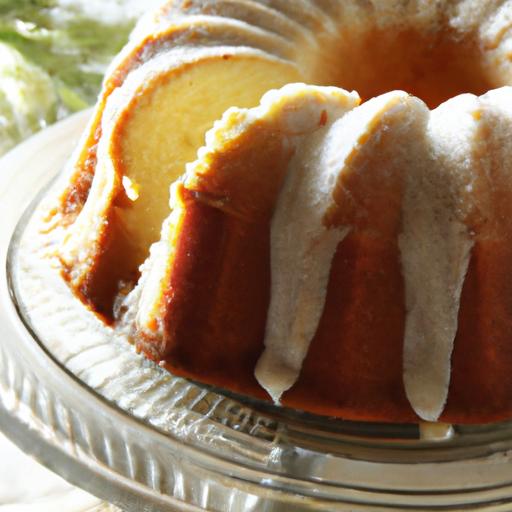

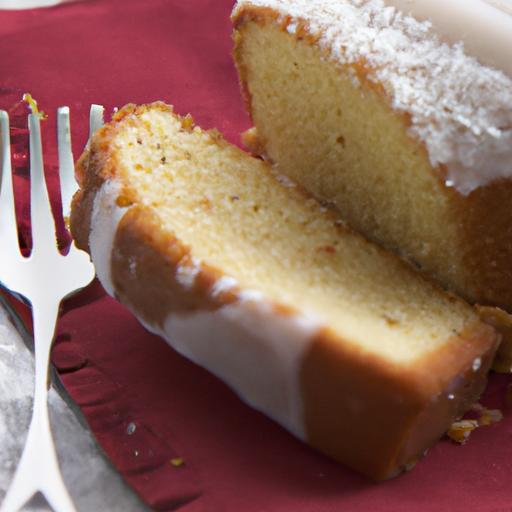
There’s something universally enchanting about a slice of perfectly baked vanilla cake-the delicate crumb, the subtle sweetness, and that comforting aroma that fills the kitchen long before the timer dings. But behind this deceptively simple dessert lies a world of technique, precision, and a sprinkle of culinary magic. Whether you’re a novice baker eager to conquer your first sponge or a seasoned pro aiming to refine your signature recipe, this ultimate guide will walk you thru every essential step to create a vanilla cake that’s moist, tender, and irresistibly delicious. Prepare to unlock the secrets of mixing, baking, and decorating, transforming humble ingredients into a masterpiece that’s guaranteed to impress every palate and occasion.
The Ultimate Guide to Baking the Perfect Vanilla Cake begins with an unwavering commitment to sourcing only the finest ingredients and employing precise techniques that transform humble components into a cloud-like delight. Vanilla cake, a timeless favorite, owes its charm to subtle nuances-be it the richness of pure vanilla extract or the delicate crumb that melts effortlessly on your tongue. In this section, you’ll discover how mastering ingredient choices, mixing methods, baking details, and creative decoration can elevate this classic dessert to bakery-worthy perfection.
Prep and Cook Time
- Readiness: 20 minutes
- Baking: 30-35 minutes
- Cooling and Decoration: 1 hour
Yield
Serves 8-10 generously sized slices, perfect for parties or an indulgent family treat.
Difficulty Level
Medium – Ideal for passionate home bakers looking to refine their techniques and presentations.
Ingredients
- 2 ½ cups all-purpose flour, sifted
- 2 ½ tsp baking powder, sifted
- ½ tsp fine sea salt
- 1 cup unsalted butter, softened
- 1 ¾ cups granulated sugar
- 4 large eggs, at room temperature
- 1 tbsp pure vanilla extract (not imitation)
- 1 cup whole milk, warmed slightly
- Optional: 1 tbsp vanilla bean paste for extra depth
Instructions
- Preheat your oven to 350°F (175°C). Grease and flour two 8-inch round cake pans or line them with parchment paper for easy removal.
- In a medium bowl, whisk together the sifted flour, baking powder, and salt. Set aside to keep the dry mixture even and light.
- Using a stand mixer fitted with the paddle attachment, cream the softened butter and sugar on medium speed until pale and fluffy, approximately 4-5 minutes. This aeration step is key to a tender crumb.
- Add the eggs one at a time to the butter-sugar mixture, beating well after each addition. Don’t rush this step; fully incorporate each egg to promote structure.
- Mix in the pure vanilla extract and optional vanilla bean paste, letting the fragrant aroma infuse the batter.
- Lower the mixer speed to low and alternate adding the dry ingredients and warmed milk in three parts, beginning and ending with the dry. This gentle folding prevents gluten overdevelopment for a soft texture.
- Divide the batter evenly between the prepared pans. Tap the pans lightly on the counter to eliminate air bubbles and settle the batter uniformly.
- Bake for 30-35 minutes, or until a toothpick inserted in the center comes out clean. Rotate pans halfway through baking for even browning.
- Cool the cakes in their pans for 15 minutes before turning out onto wire racks to cool wholly-this ensures a stable crumb, perfect for frosting.
Choosing the Finest Ingredients for a Delightful Vanilla Flavor
The secret to an unforgettable vanilla cake lies in the quality of your components.Opt for high-grade pure vanilla extract over synthetic options; its warm, floral notes marry exquisitely with the butter and sugar. For extra vanilla intensity, blend in a teaspoon of vanilla bean paste, which adds tiny flecks and a natural depth. Moreover, use fresh, room-temperature eggs to maximize emulsification and volume. a small pinch of salt enhances the sweetness and balances flavor, so never skip it.
Mastering Mixing Techniques to achieve a Fluffy Cake Texture
Achieving a light and airy vanilla cake starts at the mixer bowl.Creaming butter and sugar until pale creates microscopic air pockets that give lift. Similarly,adding eggs one by one ensures perfect incorporation. When combining dry and wet ingredients,mix on low speed and alternately to avoid a dense texture. Overmixing can lead to tough cake courtesy of gluten network overdevelopment, so gentle folding is essential for that iconic, tender crumb.
Baking Temperatures and Timing for Evenly Cooked Perfection
Maintain the oven temperature at a steady 350°F (175°C) for maximum rise and consistent baking. Using an oven thermometer can assure you stay within this ideal range. Bake cakes in the center rack to promote uniform heat circulation. An essential tip is rotating the pans halfway through baking if your oven has hot spots-this simple action prevents uneven browning and soggy centers. Always use the toothpick test before removing from the oven.
Creative Frosting and Decoration Ideas to Elevate Your Vanilla Cake
Once baked, your vanilla cake becomes an edible canvas. Classic choices like silky buttercream made from scratch or fluffy cream cheese frosting can complement the vanilla’s richness beautifully.For a delicate touch,incorporate fresh berries and edible flowers to add vibrant color and natural sweetness. For advanced decorators, piping rosettes or gold leaf accents bring a luxurious finish perfect for celebrations. Explore a light dusting of powdered sugar or a drizzle of homemade berry coulis for a minimalist elegance.
Chef’s Notes and Tips for success
- Substitutions: Substitute almond or oat milk in place of whole milk for a subtle twist, but ensure it is unsweetened.
- Make-ahead: Bake the layers up to 2 days in advance, wrapped tightly in plastic wrap and stored in the fridge for easier decorating.
- Troubleshooting: If the cake sinks in the middle, your oven might be too hot or the batter overmixed. Use fresh leavening agents and avoid opening the oven door early.
- Flavor boosts: Add a teaspoon of lemon zest or orange blossom water to the batter for intriguing floral undertones.
serving Suggestions
Slice your vanilla cake with a serrated knife for perfect edges. Serve chilled or at room temperature for the fullest flavor. Pair with fresh strawberries, whipped cream, or a scoop of high-quality vanilla bean ice cream for a decadent experiance. Garnish with mint leaves or a light dusting of cinnamon for warmth and aroma. Consider serving alongside a cup of freshly brewed Earl Gray tea or a creamy latte to complete the sensory journey.
| Nutritional Information | Per Serving |
|---|---|
| Calories | 320 kcal |
| Protein | 5g |
| Carbohydrates | 40g |
| Fat | 15g |

For a more in-depth look at cake decorating techniques,check out our Cake Decorating Basics guide. to understand more about the chemistry behind baking,visit King Arthur Baking’s Science of Baking page.
Q&A
Q&A: the Ultimate Guide to Baking the Perfect vanilla Cake
Q1: What makes a vanilla cake truly perfect?
A1: A perfect vanilla cake is a harmonious blend of moistness, fluffiness, and a rich, buttery vanilla flavor that lingers just long enough to delight your taste buds without overpowering. It’s the cake that slices cleanly, rises evenly, and melts softly on your tongue like a dream.
Q2: Why is quality vanilla extract so vital in a vanilla cake?
A2: Vanilla is the soul of a vanilla cake. Using high-quality pure vanilla extract (or vanilla bean paste) infuses the batter with deep, complex flavors. It’s the difference between a flat, artificial taste and a cake that’s beautifully aromatic and nuanced.
Q3: Can I use vanilla bean rather of extract?
A3: Absolutely! Vanilla bean offers an intense, fragrant punch-the tiny black seeds bringing a speckled elegance and natural, nuanced flavor. Split the bean, scrape the seeds, and fold them into your batter to elevate the cake’s vanilla essence.
Q4: How essential is the choice of flour in vanilla cake baking?
A4: Flour is the backbone of your cake’s texture. Cake flour,with its lower protein content,produces a tender crumb by limiting gluten formation. All-purpose flour can work, but often yields a denser texture.
Q5: What’s the secret to achieving the perfect cake crumb?
A5: It’s all about balance. Proper creaming of butter and sugar aerates the batter, egg incorporation provides structure, and gentle folding of dry ingredients keeps the crumb light and airy. Overmixing can toughen the cake-so handle with care!
Q6: How can I avoid a dry vanilla cake?
A6: Moisture is king. Don’t overbake-check the cake a few minutes before the timer goes off. use ingredients that add moisture, like sour cream or buttermilk, which also tenderize the crumb. And once baked, wrap or cover the cake once cooled to lock in freshness.
Q7: Should I use butter, oil, or both in a vanilla cake?
A7: Butter offers rich flavor and a luxurious crumb, while oil lends extra moisture. Some recipes marry the two for the best of both worlds-flavorful and tender. butter’s cooler melting point also helps traps air better during creaming for lift.
Q8: How do baking temperature and pan choice affect the final cake?
A8: Steady, moderate heat (usually 325°F-350°F) ensures the cake bakes evenly without drying out. Light-colored metal pans reflect heat, baking cakes more gently, while dark pans absorb more heat and can brown edges faster, so adjust accordingly.
Q9: Is it necessary to sift dry ingredients for a vanilla cake?
A9: While not always mandatory,sifting aerates the flour,removes lumps,and evenly distributes leavening agents-contributing to a lighter texture and uniform rise.
Q10: What’s the best way to test if my vanilla cake is done?
A10: The toothpick test remains a champion: insert a thin skewer into the center; if it comes out clean or with a few moist crumbs (not wet batter),your cake is ready to greet the oven’s exit.
Q11: How should I cool and store my vanilla cake?
A11: Cool the cake in its pan for about 10-15 minutes, then invert onto a wire rack to cool completely. This prevents sogginess. Wrap tightly after frosting, or store in an airtight container at room temperature for up to 3 days-or freeze if keeping longer.
Q12: Any creative tips to elevate a simple vanilla cake?
A12: Layer it with homemade vanilla bean buttercream, or add a hint of citrus zest to the batter for brightness. For textures, sprinkle chopped nuts between layers or fold in fresh berries.And never underestimate the power of a shiny glaze or fresh flowers for presentation flair.
Now, armed with these essentials and creative sparks, go forth and bake your own slice of vanilla heaven!
in summary
As the last crumb of your perfectly baked vanilla cake disappears, you’ll realize that mastering this timeless classic is more than just following a recipe-it’s an art, a little science, and a sprinkle of love. With the tips and techniques shared in this guide, you’re now equipped to bake vanilla cakes that rise with pride, crumb with tenderness, and delight every palate. So whether you’re celebrating a special moment or simply craving a sweet escape, remember: the perfect vanilla cake is always within your reach, waiting to transform a simple gathering into a memorable experience. Happy baking!