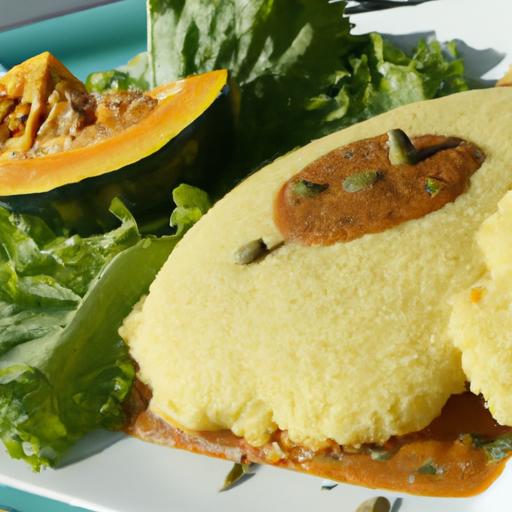

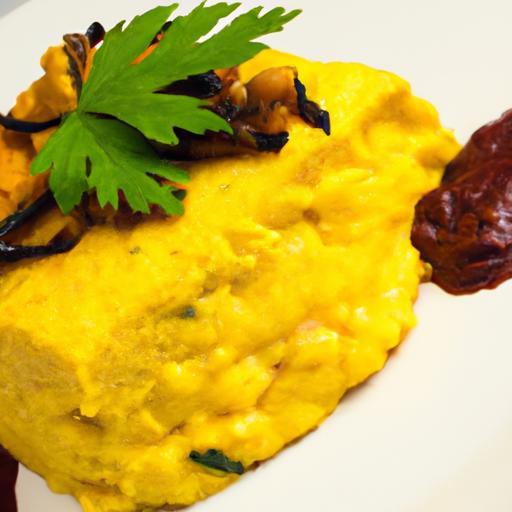
ThereS something timeless about polenta-the golden, creamy canvas that has graced tables for centuries, warming hearts and nourishing bodies with its humble charm. While traditionally seen as a rustic side or simple staple,polenta is quietly stepping into the spotlight as a versatile base for inventive,visually stunning plates that marry comfort with creativity. In this exploration of “Polenta Plates: Creative Meals from Classic Comfort Food,” we’ll uncover how this ancient grain can be transformed beyond expectation-inviting chefs and home cooks alike to reimagine polenta as the star of vibrant, flavorful dishes that satisfy both soul and palate. Get ready to dive into a world where tradition meets innovation, and classic comfort food takes on a dazzling new life.
Polenta plates offer a remarkable canvas for culinary creativity, inviting you to explore textures and flavors far beyond their conventional comforting roots. this humble cornmeal porridge, originating from Italian peasant cuisine, has evolved into a versatile staple that can be served relentlessly creamy or satisfyingly crisp. Whether topped with earthy mushrooms, vibrant roasted vegetables, or richly braised meats, polenta effortlessly adapts to elevate any dining experience.
Prep and Cook Time
- Preparation: 10 minutes
- Cooking: 35 minutes
- Total: 45 minutes
Yield
Serves 4 generous portions
Difficulty Level
Medium – requires attentive stirring but perfect for home cooks of all skill levels
Ingredients
- 1 cup coarse yellow polenta (cornmeal)
- 4 cups water or low-sodium vegetable broth for added flavor
- 1 tsp fine sea salt
- 3 tbsp unsalted butter
- 1/2 cup grated Parmesan cheese
- 2 tbsp olive oil (for crisping,optional)
- Fresh herbs (such as rosemary or thyme),finely chopped,for garnish
Instructions
- Bring the water or broth to a simmer in a heavy-bottomed saucepan over medium heat.Add the salt to season the liquid evenly.
- Slowly whisk in the polenta in a steady stream, ensuring no lumps form. Reduce heat to low instantly to prevent scorching.
- Stir continuously with a wooden spoon or heatproof spatula for 25-30 minutes. The polenta will thicken steadily; patience here guarantees a silky texture.
- Remove from heat. Stir in the butter and Parmesan cheese until fully melted and incorporated.
- For creamy polenta: Serve immediately-its velvety texture pairs beautifully with any sauce or topping.
- For crispy polenta: Pour polenta into a lightly oiled rimmed baking tray, spreading it about 1-inch thick. Chill in the fridge at least 1 hour until firm.
- Cut chilled polenta into rectangles or rounds. Heat olive oil in a nonstick skillet over medium-high heat.
- Sear the polenta pieces until golden brown and crisp on both sides, approximately 3-4 minutes per side. This step unlocks a delightful contrast between crunchy crust and tender interior.
- Top with your choice of innovative ingredients such as sautéed wild mushrooms with garlic and sage, slow-roasted cherry tomatoes with goat cheese, or spicy chorizo and roasted peppers for bold flavor.
tips for success
- Use coarse polenta rather than fine cornmeal for better texture and classic rustic appeal.
- Constant stirring is vital to avoid lumps and prevent the polenta from sticking or burning at the bottom.
- Substitute broth for water to add depth; vegetable broth is excellent for vegetarian adaptations.
- To make ahead, prepare the polenta up to 24 hours in advance-cover and refrigerate. Reheat gently with splash of milk or broth for creamy uses or chill for crisping later.
- Experiment with cheese varieties: Asiago, pecorino, or smoked mozzarella mix wonderfully into warm polenta for diverse flavor profiles.
Serving Suggestions
Serve your polenta plates garnished with fresh herbs like parsley or thyme to brighten flavors. Drizzle with a touch of high-quality extra-virgin olive oil or a balsamic glaze for complexity. For inspired pairings, try topping creamy polenta with roasted root vegetables and a dollop of tangy crème fraîche, or balance crispy polenta squares with a spoonful of spicy tomato ragù and shaved Parmesan. A side of sautéed greens or a crisp salad adds refreshing contrast.
| Nutrient | Per Serving |
|---|---|
| Calories | 310 |
| Protein | 8g |
| Carbohydrates | 45g |
| Fat | 8g |
enhance your polenta plates with inspired toppings curated by culinary experts to make every meal memorable. for more culinary creativity, explore our roasted vegetable recipes perfect for polenta or learn the origins of this staple on Britannica.

Q&A
Q&A: Polenta Plates – Creative Meals from Classic Comfort Food
Q1: What makes polenta such a beloved comfort food?
A1: Polenta’s charm lies in its simple, creamy texture and mild corn flavor, which invites endless customization. It’s the ultimate blank canvas – warm and soothing, yet ready to absorb bold spices, rich sauces, or fresh herbs. This versatility, combined with its hearty, comforting vibe, makes polenta a timeless favorite.
Q2: How can I elevate traditional polenta into a creative meal?
A2: Think beyond the basic buttery bowl! Try grilling slices for a smoky char, layering it lasagna-style with cheese and vegetables, or crisping it into golden cakes topped with sautéed mushrooms or a zesty tomato ragù.Polenta’s adaptability to textures and flavors allows you to turn the humble dish into an artful plate.
Q3: What are some unexpected ingredients that pair well with polenta?
A3: Polenta loves company, from spicy chorizo and tangy goat cheese to roasted root vegetables and even sweet elements like caramelized pears or honey. Don’t shy away from experimenting with Mediterranean olives, earthy truffles, or a splash of citrus-each adds depth and surprise to your dish.
Q4: Can polenta be a main dish,or is it just a side?
A4: Absolutely! With the right toppings,polenta transforms into a satisfying main course. Think creamy polenta crowned with slow-braised beef,or a layered polenta bake loaded with seasonal veggies and melted mozzarella. It’s comfort food with starring role potential.
Q5: What tips do you have for perfecting the texture of polenta?
A5: Patience is key! Stir gently and consistently during cooking to prevent lumps. Use a ratio of roughly 4 parts liquid to 1 part polenta for creamy results, or pour cooked polenta into a pan to set, then chill and slice for firmer textures. Adding butter or cheese at the end enhances silkiness and flavor.
Q6: How can I make polenta meals suitable for special diets?
A6: Polenta is naturally gluten-free and vegan-friendly if you use water or vegetable broth and omit dairy or substitute with plant-based milk and vegan cheese. It’s a great base for allergy-conscious cooking, allowing for countless imaginative, inclusive recipes.Q7: Where did polenta originate, and how has it evolved?
A7: Polenta has roots in Northern Italy, where it was historically a humble peasant staple. Originally made from coarse ground grains like millet or barley, it evolved with the introduction of maize from the Americas. Today, it bridges rustic tradition and modern culinary innovation, beloved worldwide in various creative forms.
Q8: What kitchen tools help make cooking polenta easier?
A8: A heavy-bottomed pot ensures even heat distribution to avoid scorching. A wooden spoon or whisk helps keep it smooth during stirring. For set polenta, a baking dish or non-stick pan is handy for chilling and slicing. Together, these tools make the polenta-crafting process seamless and enjoyable.
Dive into polenta’s comforting heart and unleash your culinary creativity – with its golden glow and rich history, it’s the perfect ingredient to transform classic comfort into a canvas of bold new flavors.
The Way Forward
Whether you prefer your polenta creamy and smooth or grilled to a golden crisp, this humble ingredient offers a canvas as versatile as your culinary imagination allows. From rustic weeknight dinners to elegant dinner party starters, polenta plates invite you to explore layers of texture, flavor, and tradition-all anchored in timeless comfort. So next time you crave something soothing yet surprising, let polenta be your guide to a meal that warms the soul and delights the palate. After all, sometiems the most classic comfort food is just waiting for a fresh twist.