
There’s something undeniably captivating about the tangy zing of mustard-a humble condiment with the power to elevate even the simplest dishes into flavor-packed experiences. Imagine unlocking a treasure trove of bold, vibrant tastes right in your own kitchen, where you control every ingredient and nuance. Crafting homemade mustard sauce isn’t just a culinary project; it’s an invitation to experiment,savor,and personalize a classic staple that’s been delighting palates for centuries. In this article, we’ll guide you through easy, creative steps to make your very own mustard sauce, turning everyday meals into extraordinary bites bursting with personality.Ready to awaken your taste buds and spice up your cooking? Let’s get started.
Selecting the Perfect Mustard Seeds for Vibrant Taste
Unlock bold flavors with homemade mustard sauce begins at the very foundation: the mustard seeds. Choosing the right seeds is crucial for the character of your sauce, as each type delivers a unique intensity, aroma, and heat level. yellow mustard seeds offer a bright, mild flavor that is perfect for delicate dressings and subtle kick. In contrast, brown mustard seeds bring a sharper, more pungent heat-ideal for creating a vibrant, full-bodied sauce that electrifies your palate. Black mustard seeds, though less common, impart a powerful pungency with smoky undertones, adding depth worthy of adventurous cooks.
The freshness of your seeds also plays a pivotal role. Opt for whole seeds stored in airtight containers to preserve thier natural oils and dimension.Grinding the seeds just before blending unlocks those complex flavors and ensures every bite of your sauce bursts with vitality.
Balancing Acidity and Sweetness for a Flavorful kick
Achieving the perfect mustard sauce is an art of balance-where the sharpness of acidity meets a touch of sweetness to create that memorable punch. Vinegars such as white wine vinegar or apple cider vinegar infuse the sauce with brightness and tang, essential for cutting through richness in many dishes. Though, too much acidity can overwhelm, so it’s balanced by natural sweeteners like honey, maple syrup, or a pinch of brown sugar to round out the edge with a mellow warmth.
Experiment with your acid-to-sweetness ratio gradually, tasting as you go. This sensitive calibration unlocks bold flavors while maintaining harmony, allowing your mustard sauce to shine as an irresistible condiment.
Step by Step Guide to Blending and Maturing your Mustard Sauce
- Toast your chosen mustard seeds lightly in a dry skillet over medium heat until fragrant, about 1-2 minutes, shaking frequently to avoid burning. This enhances depth without bitterness.
- Transfer seeds to a mortar and pestle or spice grinder and pulse to your preferred grind,from coarse for texture to fine for smoothness.
- Combine ground seeds with vinegar, water, and a pinch of salt in a bowl. Stir to hydrate and soften the seeds-this step wakes up the enzymes that develop heat.
- Add your sweetener of choice alongside aromatics like turmeric, garlic powder, or smoked paprika for extra layers.
- Whisk until well combined and transfer to a clean jar with a tight lid. Let your mustard mature for at least 24 hours at room temperature. This resting period intensifies flavors and mellows the sharpness.
- Before serving, taste and adjust seasoning with salt, more sweetness, or vinegar to perfect the flavor balance.
Creative Pairings and Serving Suggestions to Elevate Your Dishes
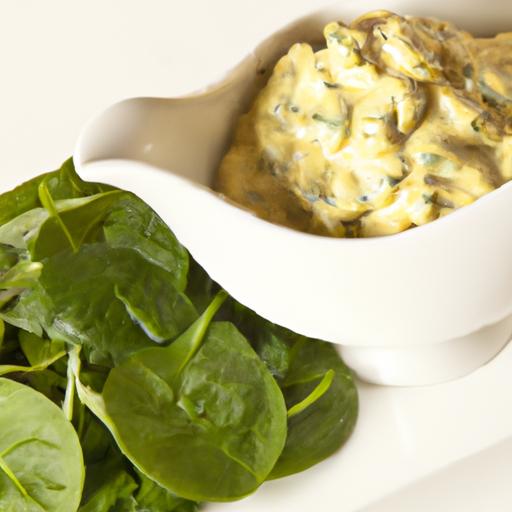
Homemade mustard sauce is a dynamic companion in your culinary arsenal. Drizzle it over roasted meats like pork or chicken for an enticing tang. Use it as an anchor in sandwich spreads paired with sharp cheddar and crisp greens. Swirl into potato salads or grain bowls to add vibrant dimension.
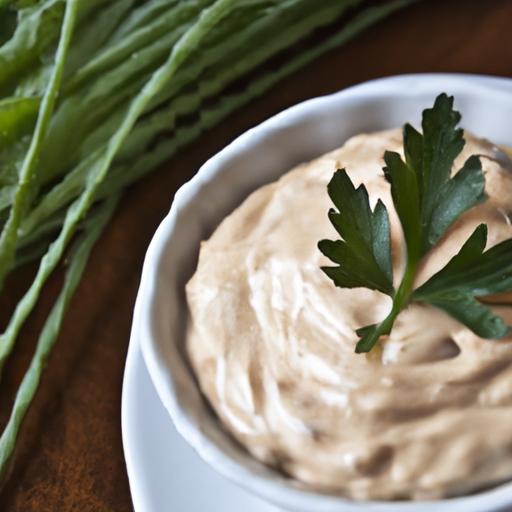
For presentation, garnish with a sprinkle of whole mustard seeds or fresh chopped herbs such as parsley or chives. Serve alongside crunchy artisan bread or crudités to let your guests savor the complexity of your creation.

Prep and Cook Time
- prep: 15 minutes (plus 24 hours maturation)
- Cook: 3 minutes
- total: Approx. 24 hours 20 minutes
yield
About 1 cup (8 servings)
Difficulty Level
Easy – perfect for beginners and seasoned cooks alike
Ingredients
- 1/3 cup whole brown mustard seeds
- 1/3 cup apple cider vinegar
- 1/4 cup water
- 1 tablespoon honey
- 1/2 teaspoon fine sea salt
- 1/2 teaspoon turmeric powder
- 1/4 teaspoon garlic powder
- Pinch of smoked paprika (optional)
Instructions
- Toast the mustard seeds: Heat a dry skillet over medium and toast the seeds for 1-2 minutes until fragrant, shaking the pan every few seconds to avoid burning.
- Grind the seeds: Transfer the toasted seeds to a grinder or mortar and pestle and pulse to a coarse or fine texture depending on your preference.
- Mix liquids and seeds: in a bowl, combine the ground seeds with the apple cider vinegar, water, and salt. Stir well to hydrate the seeds; this initiates the mustard’s characteristic heat.
- Add sweetener and spices: Stir in the honey, turmeric, garlic powder, and smoked paprika for color and complexity.
- Rest the sauce: transfer the mixture to a sterile jar with a lid and let it mature at room temperature for 24 hours, shaking once or twice to ensure even flavor advancement.
- Adjust and serve: Taste your mustard sauce and adjust by adding more salt,honey,or vinegar as needed for a perfect flavor balance.
Chef’s Notes
- For a smoother mustard, blend the hydrated seeds in a food processor before resting.
- Swap apple cider vinegar for white wine vinegar for a subtler tang.
- If the sauce is too sharp after resting, refrigerate for an additional day to mellow flavors further.
- Make ahead and store refrigerated for up to 3 weeks.
Serving Suggestions
Drizzle over grilled sausages, roast vegetables, or as a zesty salad dressing base. Garnish with chopped fresh herbs or a few whole mustard seeds for a rustic look. Pair alongside crusty bread and cheeses for an elevated snack board experience.
| Nutrient | Per Serving (1 tbsp) |
|---|---|
| Calories | 15 |
| Protein | 0.8 g |
| Carbohydrates | 3 g |
| Fat | 0.1 g |
For more inspiration on homemade condiments, explore our in-depth guide to making sauces and dressings at home. To understand the science behind mustard’s heat, visit this ScienceDaily article on mustard seeds.
Q&A
Q&A: Unlock Bold Flavors – Crafting Homemade Mustard Sauce Easily
Q1: Why should I make mustard sauce at home instead of buying it?
A: Making mustard sauce at home unlocks a world of bold, vibrant flavors tailored to your taste buds. Unlike store-bought versions, homemade mustard is free from preservatives and artificial additives, letting you experiment with textures, spice levels, and ingredients for a truly unique condiment experience.
Q2: What are the essential ingredients for a basic homemade mustard sauce?
A: At its core, homemade mustard sauce requires mustard seeds (yellow, brown, or black), vinegar (like apple cider or white wine), water, and salt.From there, you can add honey for sweetness, garlic for depth, or herbs and spices for a creative twist.
Q3: How do I choose between yellow, brown, and black mustard seeds?
A: Yellow seeds are milder and brighter, perfect for gentle, tangy sauces. Brown seeds offer a spicier punch, lending warmth and complexity. Black seeds, the boldest of all, deliver intense heat and deep flavor.Choosing your seeds sets the foundation for your sauce’s personality.
Q4: can I control the heat level in my mustard sauce?
A: Absolutely! The heat primarily comes from the type of mustard seeds and soaking time. Soaking seeds longer can mellow the sharpness, while grinding seeds just before mixing preserves their pungency. Adjust vinegar types and sweeteners too, balancing the heat with acidity or sweetness.
Q5: how long does homemade mustard sauce last?
A: Stored in an airtight container in the fridge, homemade mustard sauce typically lasts 2-3 months. The vinegar’s acidity acts as a natural preservative, while the flavors often mature and deepen over time. Just remember to stir well before each use.Q6: What dishes pair best with homemade mustard sauce?
A: Mustard sauce is a versatile powerhouse! Drizzle it over grilled meats, swirl into salad dressings, mix into marinades, or elevate roasted vegetables. It’s your secret weapon for sandwiches, cheese platters, and even deviled eggs, adding that unforgettable zing.Q7: Any creative tips for customizing my mustard sauce?
A: Definitely! Try infusing your vinegar with herbs like tarragon or thyme before blending. Add smoked paprika or horseradish for smoky or spicy notes.Incorporate fruit purees-think apple, mango, or fig-for a sweet-tart twist. The only rule? Let your taste buds be your guide.
Ready to craft your own bold, homemade mustard sauce? with simple ingredients and a dash of creativity, unlocking those mouthwatering flavors is easier than you think!
Wrapping Up
Unlocking the vibrant world of homemade mustard sauce is more than just a kitchen experiment-it’s an invitation to awaken your palate and elevate everyday meals with bold, tailor-made flavors. With simple ingredients and a dash of creativity, crafting your own mustard not only empowers you to control heat, sweetness, and tang but also connects you to a timeless tradition of culinary craftsmanship.So go ahead, mix, taste, and tweak until you’ve unlocked the perfect mustard masterpiece that turns every bite into an unforgettable experience.Your journey to bold flavors starts right at home-embrace it, savor it, and let your taste buds lead the way.