

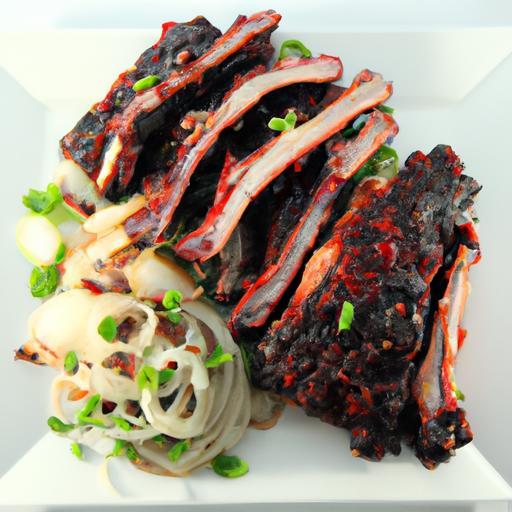
There’s something magical about the sizzle of meat on a grill, the smoky aroma weaving through the air, and the tantalizing promise of flavors that dance on the tongue. At the heart of this sensory symphony lies galbi-Korean BBQ ribs that have captured the hearts and palates of food lovers around the world. But galbi is far more than just marinated meat; it’s a culinary tradition steeped in history, craftsmanship, and culture. In this article,we embark on a flavorful journey to uncover the art behind galbi-the meticulous readiness,the secret marinade ingredients,and the communal experience that turns a simple meal into a party. Prepare to savor every bite as we delve into the vibrant world of Korean BBQ ribs.
Savoring Galbi offers an immersive dive into Korean culinary tradition, bringing to life the tender, flavorful essence of marinated short ribs cooked over an open flame. Rooted in centuries-old Korean culture, these ribs symbolize celebration and communal dining, often shared among family and friends during festivals or special gatherings. My first encounter with galbi was at a bustling Seoul street market, where the aroma of sizzling meat infused with sweetly balanced marinades captured my curiosity and appetite instantly. This dish stands out not just for its vibrant taste, but for the artful mastery behind its marinade and grilling techniques that coax out juicy tenderness with every bite.
Prep and Cook Time
Preparation: 20 minutes + 6-12 hours marinating
Cooking: 10-15 minutes
Yield
Serves 4 generously
Difficulty Level
Medium – requires marinating foresight and attentive grilling
Ingredients
- 2 lbs Korean beef short ribs (flanken-cut)
- 1 cup soy sauce (preferably Korean naturally brewed)
- ½ cup brown sugar (packed)
- ¼ cup Asian pear, grated (or substitute with ripe apple)
- ¼ cup finely minced garlic (about 6 cloves)
- 2 tablespoons toasted sesame oil
- 2 tablespoons rice wine (mirin or sake)
- 1 tablespoon freshly ground black pepper
- 2 green onions, thinly sliced
- 1 tablespoon toasted sesame seeds (for garnish)
- Optional: 1 teaspoon ginger, finely grated
Instructions
- Prepare the Marinade: In a mixing bowl, combine soy sauce, brown sugar, grated Asian pear, minced garlic, toasted sesame oil, rice wine, black pepper, and grated ginger if using. Stir until the sugar dissolves fully, creating a glossy marinade with a fragrant aroma.
- Marinate the Ribs: Place the flanken-cut short ribs in a large resealable plastic bag or shallow dish. Pour the marinade over the ribs, ensuring each piece is well-coated. Seal and refrigerate for 6 to 12 hours, preferably overnight, to achieve deep flavor penetration and tenderization.
- preheat Yoru Grill: Whether using a gas grill or charcoal, aim for medium-high heat (around 400°F / 200°C). For an indoor option, a cast-iron grill pan or broiler works beautifully.
- Grill the Ribs: Remove ribs from marinade, letting excess drip off to prevent flare-ups.Place ribs on the grill and cook for 5-7 minutes per side,turning once. Look for irresistible caramelized edges and juicy, slightly pink centers-avoid overcooking to keep ribs tender.
- Rest and Garnish: Transfer the ribs to a platter and let rest for 5 minutes to allow juices to redistribute. Sprinkle generously with toasted sesame seeds and green onions for burst of color and crunch.
Chef’s Notes and Tips for Success
- Marination Matters: The Asian pear (or apple) contains natural enzymes that break down beef fibers gently-don’t skip this ingredient for ultimate tenderness.
- Balancing Sweet and Savory: Adjust brown sugar and soy sauce ratio according to your preferred sweetness; a touch more sugar yields a richer glaze.
- Cut confidence: Flanken-cut ribs (thinly sliced across the bone) cook faster and borrow maximum flavor from marinade, but can be substituted with English-cut if you prefer meatier pieces-just adjust cooking time longer.
- Grill Watch: Watch closely for flare-ups due to sugary marinade. Move ribs as needed to prevent charring while ensuring even caramelization.
- Make Ahead: Marinate ribs up to 24 hours ahead for enhanced flavor depth-keep refrigerated until grilling time.
Serving Suggestions
Present your galbi alongside traditional Korean banchan such as kimchi, pickled radishes, and lightly sautéed spinach to cut through the richness. A bowl of steamed jasmine rice or sticky short grain rice anchors the meal.
For garnishes, sprinkle chopped green onions and toasted sesame seeds right before serving, adding both a textural crunch and visual appeal. Wrap bites in fresh lettuce leaves with a dab of ssamjang (spicy fermented soybean paste) for an authentic experience.
Complete your Korean BBQ feast with a chilled glass of soju or a crisp Korean rice beer like Hite to indulge in vibrant beverage traditions.
| Nutrient | Per Serving (Approx.) |
|---|---|
| Calories | 350 kcal |
| Protein | 28 g |
| Carbohydrates | 12 g |
| Fat | 20 g |

For a deeper dive into Korean BBQ spreads, discover our Ultimate Guide to Korean BBQ Banchan and pair your galbi with authentic side dishes that will transform your table into a celebration of flavors.
Q&A
Q&A: Savoring Galbi - The Art and Flavor of Korean BBQ Ribs
Q1: What exactly is Galbi, and why is it so beloved in Korean cuisine?
A: Galbi, also known as Korean BBQ ribs, refers to marinated beef short ribs that are grilled to perfection. The word “Galbi” literally means “rib” in korean. What makes Galbi beloved is its harmonious balance of savory, sweet, and smoky flavors, combined with the tender, juicy texture of the meat. It’s more than just a dish-it’s an experience that brings people together around the grill, emphasizing communal dining and celebration.
Q2: How is Galbi traditionally prepared?
A: Traditional Galbi preparation starts with selecting the perfect cut of beef short ribs-cut across the bone for thinner, bite-sized pieces. The ribs are soaked and then marinated in a sweet and savory mixture typically containing soy sauce, garlic, sugar or honey, sesame oil, and sometimes Asian pear juice for tenderness and subtle sweetness. The marination often lasts several hours or overnight, infusing the meat with deep flavor before it meets the grill’s fiery kiss.
Q3: What gives Galbi its unique flavor profile?
A: The magic of Galbi’s flavor lies in its marinade. The combination of salty soy sauce and sweet ingredients like brown sugar or honey creates a luscious glaze on the meat. Garlic adds pungency and warmth, while sesame oil lends a nutty aroma. Many recipes incorporate finely grated Asian pear or apple, which not only tenderizes but adds a faint fruity brightness. When grilled, the caramelization of sugars creates that irresistible charred crust, pairing beautifully with the smoky essence of open flame cooking.
Q4: How is galbi typically cooked and served?
A: Galbi is traditionally grilled over charcoal or gas grills, often directly at the dining table in Korean BBQ restaurants. This interactive cooking style allows diners to savor fresh,sizzling bites straight off the grill,enhancing the communal and festive atmosphere. The ribs are usually accompanied by an array of banchan (small side dishes), such as kimchi, pickled radishes, and fresh lettuce leaves used for wrapping the meat along with garlic, ssamjang (a spicy dipping sauce), and sliced peppers.
Q5: Can Galbi be made with other meats, or is it exclusive to beef?
A: While beef short ribs are the classic choice, variations of Galbi exist using pork or even chicken. Such as, “dwaeji Galbi” refers to marinated pork ribs, frequently enough with a spicier kick. Each type offers a different texture and flavor experience,but the core idea remains: marinated,grilled ribs bursting with bold,layered tastes.
Q6: what cultural significance does Galbi hold in Korea?
A: More than a delicious dish, Galbi carries cultural weight as a symbol of hospitality, celebration, and warmth. It’s frequently enjoyed during special occasions, family gatherings, and festivals. Sharing Galbi is a gesture of friendship and respect, embodying Korea’s rich dining traditions where food is meant to be shared, savored slowly, and remembered fondly.
Q7: How can someone new to Korean BBQ best enjoy thier first Galbi experience?
A: Approach your first Galbi meal with an open appetite and a spirit of exploration. Don’t rush-grill each piece to your preferred doneness, sample the array of banchan, and experiment with wrapping the meat in leafy greens dipped in ssamjang. Engage those around you; Korean BBQ is as much about connection as it is about flavor. And remember, part of the joy is savoring the mix of smoky, sweet, and umami sensations one bite at a time.
Q8: Are there any tips for recreating authentic Galbi at home?
A: Absolutely! Start with quality beef short ribs and prepare a marinade that balances savory and sweet elements. Marinate your meat for at least 4-6 hours, preferably overnight. Use a grill pan or outdoor grill to get that signature smoky char, turning frequently so the sugars don’t burn. Don’t forget the accompaniments-kimchi, lettuce wraps, and dipping sauces elevate your home-cooked Galbi from good to unforgettable. Lastly, gather friends or family to share the feast, as in Korean BBQ, the company is as essential as the cuisine.
In Summary
As the final embers of the grill fade and the last morsel of galbi is savored, one thing becomes clear: this beloved Korean BBQ rib is more than just a meal-it’s a celebration of tradition, flavor, and communal joy. From the careful marinade that melds sweet, savory, and smoky notes, to the artful grilling techniques passed down through generations, galbi invites us to slow down and truly appreciate the craft behind every bite. So, whether you’re a seasoned aficionado or a curious newcomer, embracing the art of savoring galbi offers a delicious gateway into Korea’s rich culinary tapestry-one rib at a time.