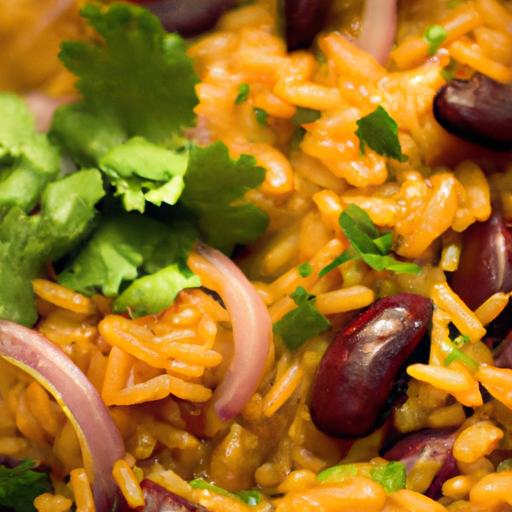

In the heart of Puerto Rican cuisine lies a dish that is as comforting as it is iconic: rice and beans. More than just a staple, this flavorful combination tells a story of heritage, community, and time-honored tradition. Each grain of rice and every tender bean carry with them the rich history of the island,infused with the vibrant spices and soulful cooking methods passed down through generations. Savoring Puerto Rican rice and beans is not simply about enjoying a meal-it’s about connecting with a culture, embracing a ritual, and celebrating the harmonious blend of ingredients that define this beloved culinary treasure.Join us as we explore the origins, the techniques, and the irresistible flavors that make Puerto Rican rice and beans a timeless delight.
Savoring Puerto Rican Rice and Beans is more than just enjoying a hearty meal – it’s an immersion into a rich cultural heritage that highlights the island’s vibrant culinary identity.This iconic dish, known locally as Arroz con Habichuelas, represents generations of tradition, where simple, wholesome ingredients come together to create bold, comforting flavors. Passed down from family kitchens in Puerto Rico and celebrated in festive gatherings, the harmony of perfectly seasoned rice and slow-cooked beans reflects the island’s Afro-Caribbean roots and Spanish influences, making every bite a story of community, resilience, and celebration.
Prep and Cook Time
- Planning: 15 minutes
- cooking: 45 minutes
- Total Time: 1 hour
Yield
- Serves 4-6 people
Difficulty Level
- Medium – Perfect for home cooks looking to explore authentic puerto Rican flavors
Ingredients
- 2 cups medium-grain white rice, rinsed until water runs clear
- 1 cup dried pink beans or canned red kidney beans, drained and rinsed (if canned)
- 4 cups water or vegetable broth
- 1/2 cup sofrito (puerto Rican aromatic base made with onions, peppers, garlic, cilantro, and culantro)
- 2 tbsp olive oil
- 1/2 cup tomato sauce
- 1/4 cup diced ham or chorizo (optional)
- 2 tsp sazón seasoning (with annatto and coriander)
- 1 tsp ground cumin
- 1 tsp dried oregano
- 1 bay leaf
- Salt and black pepper to taste
- 2 tbsp chopped fresh cilantro for garnish
- 1 green bell pepper, diced (optional)
Instructions
- If using dried beans: Soak 1 cup dried pink beans overnight. Drain and rinse. Place beans in a pot with 4 cups water, simmer for 45 minutes or until tender. Drain, reserving 1 cup of cooking liquid.
- In a large heavy-bottomed pot or Dutch oven, heat olive oil over medium heat. Add diced ham or chorizo if using, cooking until lightly browned.
- Add the sofrito and diced green bell pepper. Sauté until fragrant and softened, about 4-5 minutes.
- Stir in the tomato sauce, sazón, cumin, oregano, bay leaf, salt, and pepper. Cook for 3 minutes, allowing the spices to bloom.
- Add the beans (if canned, use beans and 1 cup water; if dried, use cooked beans and reserved cooking liquid).
- Pour in the rinsed rice, stirring gently to coat the grains with the seasoned sofrito mixture. Add additional water or broth to total 4 cups liquid in the pot.
- Bring to a boil. Once boiling,reduce heat to low,cover pot tightly,and let simmer for 20-25 minutes.
- Do not lift the lid during cooking to ensure fluffy rice. After the time elapses, turn off heat and let sit covered for 10 minutes to finish steaming.
- Fluff the rice gently with a fork. Discard bay leaf. Adjust seasoning if necessary.
- garnish with fresh chopped cilantro before serving for a pop of color and freshness.
Tips for Success
- For more intense flavor, prepare the traditional Puerto Rican sofrito ahead of time and refrigerate it in small batches.
- Use medium-grain rice for the ideal tender but slightly firm texture.
- If pressed for time, canned beans work beautifully and save soaking and cooking hours.
- To enhance the dish’s earthy undertones, toast dried beans lightly before soaking.
- Add a splash of coconut milk during cooking for a mildly sweet variation known as Arroz con Habichuelas Guisadas.
- to make ahead: Prepare up to the point of fluffing rice, then cool and refrigerate. Reheat with a splash of water on the stovetop, covered.
Pairing Suggestions and Serving Tips for an Authentic Experience
To truly savor Puerto Rican rice and beans, serve this classic alongside succulent roasted pork (lechón asado) or crispy fried plantains (maduros), balancing savory and sweet notes that define the island’s vibrant palate. A simple side of avocado slices adds creaminess, while a fresh cabbage salad with a splash of lime brightens the plate. For beverage pairings, consider a chilled glass of light red wine like a fruity Tempranillo or a cold “jarrito” soda for a refreshing contrast.
Garnish your serving dish with a sprinkle of chopped cilantro and a wedge of lime to entice the senses visually and aromatically. This not only honors tradition but elevates the meal into an inviting communal feast.

| Nutrient | Per Serving (approx.) |
|---|---|
| Calories | 320 kcal |
| Protein | 12 g |
| Carbohydrates | 55 g |
| fat | 5 g |
Explore more Caribbean flavor profiles and sauces in our Puerto Rican Pollo Guisado Recipe-perfect companions to elevate your culinary repertoire.
Q&A
Q&A: Savoring Puerto Rican Rice and Beans – A Flavorful Tradition
Q1: What makes Puerto Rican rice and beans stand out from other Caribbean dishes?
A1: Puerto Rican rice and beans, or “arroz con habichuelas,” is a vibrant tapestry of flavors deeply rooted in the island’s culinary heritage.Unlike some Caribbean versions, Puerto Rican beans are often simmered with sofrito-a fragrant blend of garlic, onions, peppers, and herbs-infusing the dish with a distinctive, savory soul. The rice, perfectly fluffy and sometimes tinted a warm reddish color from tomato sauce or annatto, complements the creamy beans with a harmony of textures and tastes. This rhythmic union of staple ingredients embodies the island’s cultural fusion and love for bold, comforting flavors.Q2: What are the key ingredients that define this classic Puerto Rican dish?
A2: At its heart, Puerto Rican rice and beans combine medium-grain rice and red kidney beans or pink beans. The magic, though, comes from sofrito-a blend of culantro, onions, garlic, green bell peppers, and ají dulce peppers-which is sautéed to release its aromatic charm. Additionally, sazón seasoning, cumin, bay leaves, and a splash of tomato sauce or paste often join the party. Some versions include a touch of pork or ham for smoky richness, though the dish is equally cherished as a hearty vegetarian comfort food.
Q3: How does the preparation of puerto Rican beans differ from other Latin American versions?
A3: In Puerto Rico, beans are more than just a side-they’re an orchestra of flavors. The beans are soaked and slowly simmered to tender perfection in a broth enriched with sofrito and spices. This slow-cooking allows the beans to absorb the full depth of the aromatic base, frequently enough enhanced by coconut milk or a hit of vinegar for subtle tang. The addition of oil and occasionally pork bits provides a luscious mouthfeel rare in simpler bean preparations elsewhere. This thoughtful layering of technique results in beans that are rich,slightly creamy,and bursting with warmth.
Q4: Can you describe the cultural significance of rice and beans in Puerto Rican cuisine?
A4: Rice and beans are more than sustenance in Puerto Rico-they’re a symbol of communal roots, resilience, and celebration. This dish has been a cornerstone of Puerto Rican tables for generations, embodying the island’s agricultural bounty and multicultural influences from Taíno, Spanish, and African traditions. Sharing arroz con habichuelas often marks festive occasions and family gatherings, making it a culinary thread that connects past and present. It’s simple yet soulful-a reminder of home, heritage, and the joy found in everyday flavors.
Q5: What’s the best way to enjoy Puerto Rican rice and beans?
A5: Puerto Rican rice and beans shine both as a humble everyday meal and as a star on a festive spread. Pair it with tender roasted pork (lechón), crispy tostones (fried plantains), or a fresh avocado salad for a balanced experience. Savor it hot and fresh, where each bite tells a story of island life-earthy, tangy, fragrant, and deeply satisfying. Leftovers often taste even better the next day, making it a beloved staple that warms the heart and palate with every serving.
Q6: Are there modern twists on this traditional dish?
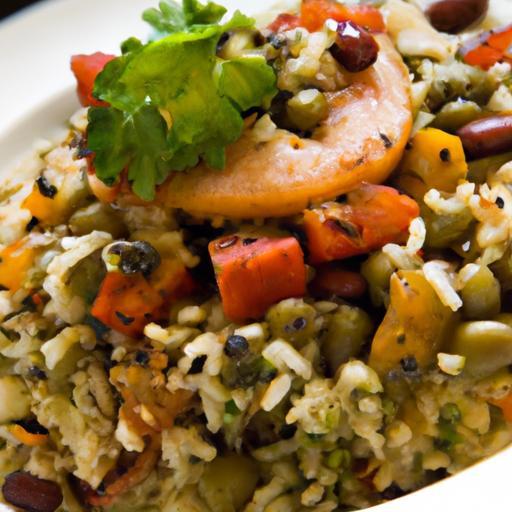
A6: absolutely! Contemporary chefs and home cooks are creatively reimagining arroz con habichuelas by incorporating quinoa instead of rice for a nutritious twist, using black beans or pigeon peas for variety, or adding unexpected ingredients like roasted vegetables and exotic spices. Vegan and gluten-free adaptations maintain the soul of the dish while aligning with modern dietary preferences. Yet,nonetheless of innovation,the essence remains-a celebration of Puerto Rican flavor and community spirit.
Whether enjoyed at a bustling street festival or a quiet family dinner, puerto Rican rice and beans invite you to savor more than food-they invite you to taste a slice of rich cultural tradition.
Future Outlook
As the aroma of simmering sofrito fades and the last spoonful of arroz con habichuelas is enjoyed, what remains is more than just a satisfied palate-it’s a deep connection to Puerto Rico’s vibrant heritage and enduring spirit. This humble dish,steeped in history and bursting with flavor,invites us to slow down,savor each bite,and appreciate the stories woven into every grain of rice and tender bean. Whether shared around a bustling family table or discovered in a bustling street market, Puerto Rican rice and beans is not merely food-it is a flavorful tradition that continues to nourish both body and soul. So next time you indulge in this iconic plate, remember: you’re tasting a rich tapestry of culture, community, and love that spans generations.