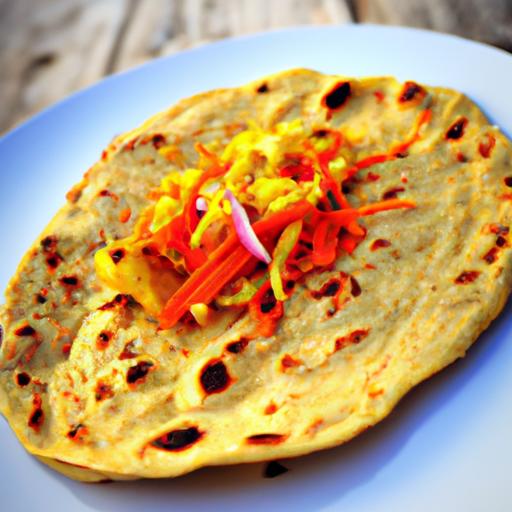

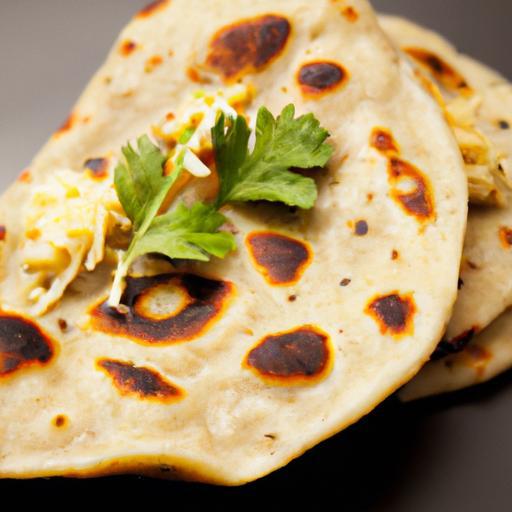
From the bustling streets of Delhi to the serene villages of Rajasthan, Indian flatbreads are much more than mere accompaniments to a meal-they are edible stories steeped in centuries of tradition, culture, and culinary artistry.Each fold, puff, and char hidden in these humble breads carries a flavorful legacy that reflects the diversity of IndiaS regions, ingredients, and cooking techniques. In this appetizing journey, we unravel the fascinating world of Indian flatbreads, exploring their origins, varieties, and the time-honored rituals that keep these age-old recipes alive in kitchens across the subcontinent. Join us as we peel back the layers of chapatis, parathas, rotis, and more-inviting you to savor not only their taste but the rich heritage they represent.
Unraveling Indian flatbreads is like peeling back layers of rich culinary heritage, where each fold and texture tells a story from different corners of the subcontinent. Whether it’s the soft, pillowy roti enjoyed in Northern households or the flaky, layered paratha savored at breakfast tables, these breads are much more than mere accompaniments-they’re an experience. Growing up surrounded by the intoxicating aroma of freshly cooked flatbreads, I witnessed how each region’s techniques and flavors elevate humble ingredients into culinary masterpieces, creating a perfect harmony when paired with vibrant Indian dishes.
Prep and Cook Time
- Planning: 15 minutes
- Resting Dough: 30 minutes
- Cooking: 20 minutes
- Total Time: 65 minutes
Yield
Makes 8-10 rotis or parathas (serves 4)
Difficulty Level
medium – great for beginners willing to master essential techniques with patience
Ingredients
- 2 cups whole wheat flour (atta),sifted
- 3/4 cup warm water (adjust as needed)
- 1 tsp salt
- 2 tbsp ghee or melted unsalted butter (for paratha layering)
- Extra flour for rolling
- optional fillings for paratha: mashed spiced potatoes,paneer crumbles,or finely chopped spinach
- Ghee or oil for cooking
Instructions
- Make the dough: In a large bowl,combine the whole wheat flour and salt. gradually add warm water, stirring with your hand or a spoon until a shaggy dough forms. Knead for 8-10 minutes on a lightly floured surface until smooth and elastic. Cover and let rest for 30 minutes; this resting period ensures a softer, pliable dough.
- Divide and shape: After resting, divide the dough into equal-sized balls (approximately golf-ball size). Keep them covered with a damp cloth to prevent drying.
- Rolling the roti: Lightly flour your rolling surface and pin. Take one dough ball and roll into a thin, even circle about 6-7 inches in diameter. Keep edges even; uneven thickness will cause uneven puffing.
- Cooking the roti: Heat a heavy-bottomed skillet or tawa on medium-high. Place the rolled dough on the hot pan. Cook until bubbles appear (about 30 seconds), then flip. cook the second side until golden brown spots appear (20-30 seconds). Flip back and press gently with a cloth or spatula to encourage puffing, flipping once more until fully cooked.Brush immediately with ghee if desired.
- Preparing paratha layers: For paratha, roll out a dough ball, brush with ghee, fold into a half or quarter shape, and roll again to flatten-repeat layering to create flaky layers. Cook on a hot skillet with ghee or oil, flipping frequently enough until golden brown and crispy on both sides.
- Optional stuffed paratha: For stuffed versions, roll dough into a circle, place filling in the center, fold edges tightly to seal, then gently roll again into a circle before cooking as above.
Tips for Success
- Dough consistency: Slightly soft dough yields softer rotis. avoid adding too much water which makes it sticky.
- Resting time: Never skip resting; gluten relaxation improves rolling and texture.
- Cooking heat: Medium-high heat is key. Too low results in pale breads; too high causes burning without cooking through.
- Layering parathas: Use ghee generously between folds for flaky layers. For gluten-sensitive variations, try mixing wheat with millet or barley flour.
- Make ahead: dough can be refrigerated up to 2 days, just bring to room temperature before rolling.
Serving Suggestions
Serve rotis or parathas hot, slathered lightly with ghee or butter for an authentic touch. Pair with rich dals like masoor dal or creamy paneer dishes such as palak paneer. Garnish with fresh coriander and a wedge of lime for brightness. A side of tangy mango pickle or cooling raita perfectly balances the warm, earthy flavors of the breads.

| Nutrient | Per Serving (2 pieces) |
|---|---|
| Calories | 180 kcal |
| Protein | 5 g |
| Carbohydrates | 32 g |
| Fat | 4 g |
Q&A
Q&A: Unraveling Indian Flatbreads: A Tasty Tale of Tradition
Q1: What makes Indian flatbreads so unique compared to othre breads around the world?
A1: Indian flatbreads are a sublime fusion of simplicity and diversity. Unlike the typical raised breads, these are unleavened or lightly leavened, cooked quickly on a hot griddle or tandoor.Their uniqueness lies not only in the flour and spices used but in the stories and traditions they carry – each region’s flatbread tells a tale of local culture, climate, and history, making every bite a journey through India’s vast culinary landscape.
Q2: Can you name some popular varieties of Indian flatbreads and their regional origins?
A2: Certainly! The humble roti from North India is perhaps the most internationally recognized,made with whole wheat flour and cooked on a tava. Move south, and you find the crisp dosa, fermented from rice and urad dal batter, a staple in Tamil Nadu and Karnataka. The chewy paratha often stuffed with vegetables or paneer is popular in Punjab and Uttar Pradesh. Up north, the smoky naan bakes in the tandoor, frequently enough enriched with butter or garlic – a royal treat. In Rajasthan, you’ll savor baati, dense wheat balls that complement dals and curries. Each flatbread is a mirror of its people’s way of life.
Q3: What role do Indian flatbreads play in daily meals and festivities?
A3: Flatbreads are the unsung heroes of Indian dining tables. They serve as the edible vessels for dals, gravies, and chutneys, binding meals together. In everyday meals,a simple roti is a comforting staple,filling stomachs with wholesome goodness. During festivals or special occasions, embellished flatbreads like puran poli or thepla add a festive flair, frequently enough sweetened or spiced to invoke party. They’re also shared among family and friends – a symbol of unity, warmth, and tradition.
Q4: how do Indian flatbreads reflect the agricultural and climatic diversity of the country?
A4: India’s vast topographical range – from arid deserts to lush tropics – directly influences the grains and cooking techniques. Wheat thrives in the northern plains, resulting in rotis and parathas. Rice and lentils are abundant in the southern states, giving rise to dosas and uttapams. The choice of flour – be it millet,sorghum,or chickpea – often mirrors what grows locally and what the climate permits. This resourcefulness not only ensures sustainability but also a spectacular palette of textures and flavors across flatbreads.
Q5: Can homemade Indian flatbreads be adapted for modern tastes and lifestyles?
A5: Absolutely! While tradition provides the recipe, creativity spices it up. Home cooks now experiment with multigrain flours, gluten-free alternatives, and nutrient-packed add-ins like spinach or flaxseed. Cooking methods have evolved too – from classic cast iron griddles to contemporary non-stick pans and even ovens. This adaptability keeps Indian flatbreads alive and relevant in modern kitchens worldwide, catering both to health-conscious eaters and adventurous foodies.
Q6: What’s the best way for a beginner to start exploring Indian flatbreads?
A6: Begin with the basics! Try making a simple whole wheat roti at home – the dough is just flour, water, and a pinch of salt. The key is practice: rolling the dough evenly, heating the pan right, and perfecting the puff. Pair it with a mild dal or vegetable curry to experience the authentic flavor harmony. Once comfortable, venture into stuffed parathas, dosas, or even naan, savoring how each brings something special to the table. And, as always, approach with curiosity and joy – cooking flatbreads is as much an art as it is indeed a tradition.
Indian flatbreads are more than just food; they’re edible chronicles of culture, community, and countless generations’ wisdom. In every fold and crisp, they invite us to taste history and heritage, one delicious bite at a time.
The Conclusion
as we close the pages on this flavorful journey through the world of Indian flatbreads, it becomes clear that these humble doughs are much more than mere accompaniments-they are edible chronicles of culture, history, and community. From the sizzling griddles of northern villages to the rustic hearths of southern homes, each flatbread tells a unique story, steeped in tradition yet ever-evolving with time.So,the next time you savor a warm,flaky paratha or a soft,pillowy dosa,remember you’re not just tasting a meal-you’re partaking in centuries of culinary heritage,a testament to India’s rich and diverse tapestry. In unraveling these breads, we unwrap a flavorful slice of India itself.