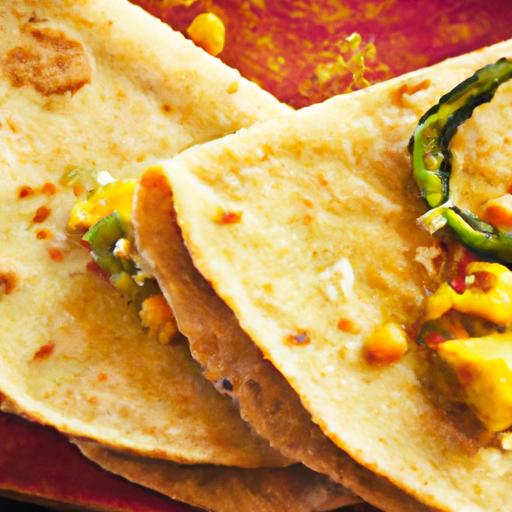

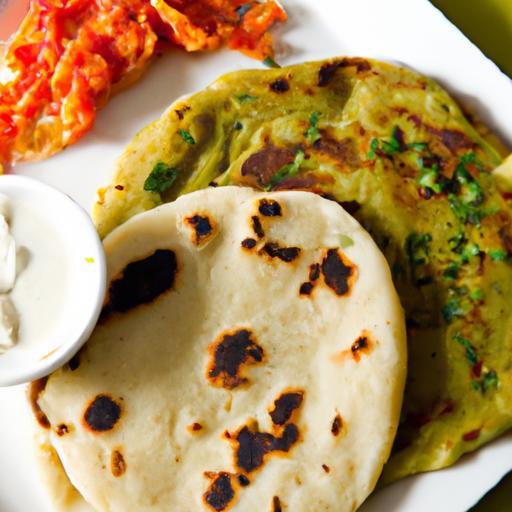
From the sizzling griddles of bustling street markets too the cozy hearths of rural kitchens, Indian flatbreads have long been more than just a staple on the dining table-they are edible stories, woven with history, culture, and tradition. Each fold,puff,and charred spot narrates a tale of regional diversity and timeless craftsmanship,inviting us to explore a world were simple ingredients transform into artful expressions of heritage. join us as we embark on a flavorful journey through the rich tapestry of Indian flatbreads, unraveling their origins, varieties, and enduring significance in the heart of India’s culinary landscape.
Unraveling Indian Flatbreads serves as an invitation to explore the rich tapestry of regional ingredients and time-honored techniques that bring these versatile staples to life. Indian flatbreads are much more than mere accompaniments; they embody centuries of culinary heritage shaped by geography, climate, and culture. From the soft and pliant naan baked in the smoky heat of a tandoor to the crisp and earthy chappati crafted on a tava, each variety tells a story through its unique texture and flavor profile.
Prep and Cook Time
- planning: 15 minutes
- Resting Dough: 1 hour
- Cooking: 10-15 minutes
- Total Time: Approximately 1 hour 30 minutes
Yield
- 8 medium-sized flatbreads
Difficulty Level
- Medium – requires some dough handling and technique
Ingredients
- 2 cups whole wheat flour (atta), sifted
- 1/2 cup warm water (adjust as needed)
- 1 tablespoon oil (neutral, such as vegetable or mustard oil)
- 1/2 teaspoon salt
- Optional additions: 1 teaspoon nigella seeds (kalonji), 1 teaspoon ajwain (carom seeds), or 2 tablespoons finely chopped fresh cilantro
- Ghee or melted butter for brushing
Instructions
- Mix the dough: In a large mixing bowl, combine the whole wheat flour and salt. Gradually add warm water,stirring continuously with your hand or a spoon until the dough begins to come together.
- Knead the dough: Transfer to a clean surface and knead for about 8-10 minutes until the dough turns soft, elastic, and slightly tacky but not sticky. Add a drizzle of oil halfway through kneading to enhance suppleness.
- Rest and ferment: Cover the dough with a damp cloth and let it rest for at least 1 hour at room temperature. this allows gluten to develop, improving the flatbread’s texture.
- divide and roll: Once rested, punch down the dough gently and divide it into 8 equal balls. Lightly dust your workspace with flour and roll each ball into a smooth circle approximately 6-7 inches in diameter. Aim for an even thickness to ensure uniform cooking.
- heat the tava or skillet: Place a heavy-bottomed skillet or conventional tava over medium-high heat until hot but not smoking.
- Cook the flatbread: Lay one rolled-out dough circle onto the hot tava. Cook for 30-45 seconds or until bubbles begin to form, then flip.
- Flip and puff: After flipping, press gently with a spatula or clean kitchen towel to encourage puffing. Flip again as needed until golden brown spots appear and the flatbread is cooked through, approximately 1-2 minutes per side.
- Optional finishing: For an authentic touch, brush the cooked flatbread immediately with warm ghee or melted butter.
- Repeat: Continue cooking the remaining dough circles,stacking cooked flatbreads in a covered cloth to keep warm and soft.
Tips for Success
- Dough consistency: The dough should be soft but not sticky. If too dry, add water a teaspoon at a time. If too sticky, incorporate a bit more flour.
- Rolling technique: Avoid using excess flour when rolling, as it can toughen the bread. Use a gentle back-and-forth motion instead of pressing down hard.
- Cooking surface: A cast-iron tava or heavy non-stick skillet works best to mimic traditional heat distribution.
- Rest time: Don’t skip the resting phase-gluten advancement here makes all the difference in softness and chew.
- Variations: Experiment by adding finely chopped fenugreek leaves or infused herbs into the dough for regional twists. Replace water with yogurt for a softer texture reminiscent of kulcha.
Serving Suggestions
Indian flatbreads shine shining when paired thoughtfully. Serve warm flatbreads alongside robust curries like paneer butter masala or hearty lentil dals for a balanced meal. Garnish the breads with a brush of ghee and sprinkle fresh coriander leaves or a pinch of chaat masala for an extra zing.For a lunchtime twist, use these flatbreads as wraps filled with spiced grilled vegetables or tandoori chicken. A dollop of tangy mint chutney or cooling raita elevates the eating experience further.

Nutritional Information (per flatbread)
| Calories | Protein | Carbohydrates | Fat |
|---|---|---|---|
| 120 kcal | 4 g | 24 g | 1.5 g |
for those wishing to dive even deeper into the engaging world of Indian flatbreads, check out our related guide to Indian bread varieties. To better understand the role of tandoor ovens in authentic cooking methods, visit the smithsonian’s article on The Tandoor Oven.
Q&A
Q&A: Unraveling Indian Flatbreads: A Journey Through Tradition
Q1: what makes Indian flatbreads so unique compared to other breads around the world?
A1: Indian flatbreads are a tapestry of regional flavors, ingredients, and techniques. Unlike typical leavened breads,many Indian flatbreads are unleavened or use natural fermentation,reflecting centuries-old traditions. they serve not just as food but as cultural symbols,each with a story tied to local grains,climate,and customs.
Q2: Can you name some popular varieties of Indian flatbreads and their origins?
A2: Absolutely! There’s the classic roti or chapati-a staple across North India made from whole wheat flour and cooked on a tava. In Punjab, buttery parathas layered with ghee are beloved for breakfast. Down south, dosa takes the stage-fermented rice and lentil batter transformed into a crisp crepe. In Maharashtra, you’ll find bhakri, often made from jowar or bajra flour, robust and wholesome. Each tells a story of the land and people who cherish it.
Q3: How have these flatbreads evolved over time?
A3: Indian flatbreads have journeyed through eras of royal courts, rustic farms, and everyday kitchens, evolving with available ingredients and culinary inventions.As an example, the humble roti once baked on open flames now finds variations infused with spices, stuffed with vegetables, or even baked in tandoors. Modern chefs experiment with ancient grains to make these breads nutritious while preserving tradition.Q4: What role do flatbreads play in Indian meals and culture?
A4: More than just accompaniments, flatbreads are the edible vessels of Indian dining-they scoop curries, wrap fillings, and even serve as modest plates. Culturally, they symbolize hospitality and festivity; serving fresh flatbreads is a gesture of care. Rituals often involve preparing breads with devotion, reinforcing bonds between family, community, and heritage.
Q5: Are there any symbolic meanings or rituals associated with Indian flatbreads?
A5: Indeed! In many Indian households, making flatbread is a morning meditation, a ritual of nurturing. During festivals, special breads like puris (deep-fried wheat breads) or sheermal (sweet saffron bread) are prepared to honor deities and mark celebrations. The round shape of many flatbreads is saeid to represent completeness and unity-the circle of life.
Q6: How can one authentically experience Indian flatbreads outside India?
A6: Dive into local Indian communities, enjoy meals at family-run eateries, or try hands-on cooking workshops. Authenticity comes from the method-using traditional flours, fermenting batters naturally, and cooking on a tava or tandoor if possible. Pairing breads with regional condiments like pickles, chutneys, and lentils enhances the full sensory journey.
Q7: What’s the future of Indian flatbreads in the modern culinary world?
A7: Indian flatbreads are stepping onto global tables with renewed vigor-think gluten-free bajra rotis, fusion wraps, and artisanal creations celebrating ingredients like millet and amaranth. They invite innovation without losing roots, blending health consciousness with historic wisdom. This journey through time and taste continues, inviting everyone to partake in the story baked into each bite.
Wrapping Up
As we fold the last layer of this flavorful exploration,the world of Indian flatbreads reveals itself not just as a staple on the dining table,but as a living tapestry woven with history,culture,and regional pride. From the smoky whispers of tandoori rotis to the soft, buttery embrace of parathas, each flatbread tells a story-of ancient grains, of hands kneaded with care, and of communal meals shared across generations. In unraveling these humble yet extraordinary breads,we uncover a journey that transcends taste,inviting us to savor the rich traditions that continue to nourish India’s diverse culinary heritage.so next time you break bread, remember: you’re partaking in a timeless ritual, one tasty chapter at a time.