
in a world where flavors dance and cultures intertwine, few dishes capture the essence of Middle Eastern cuisine quite like the humble falafel. Crispy on the outside, tender on the inside, and bursting with aromatic herbs and spices, this golden ball of delight has won hearts-and appetites-around the globe. But what exactly makes falafel the ultimate taste bud temptation? In this flavorful journey,we’ll unwrap the secrets behind falafel’s irresistible charm,exploring its rich history,key ingredients,and the art of crafting the perfect bite. Prepare to dive deep into the ultimate falafel delight and discover why this beloved street food continues to wrap taste buds in pure culinary bliss.
Wrap Yoru Taste Buds with the vibrant, aromatic allure of falafel-those golden, crunchy spheres of Middle Eastern magic born from fresh, wholesome ingredients. A dish rooted deeply in levantine tradition, falafel enchants with its blend of earthiness, herbal brightness, and the satisfying contrast of crispy exterior and tender interior. Growing up in a fusion-loving household, I was always fascinated by how texture could elevate falafel from simple chickpea balls to an unforgettable culinary experience. Today, we’ll unlock the secrets behind the freshest ingredients, master the art of falafel texture, and explore both timeless and innovative wrap pairings that will inspire you to create your own signature falafel delight right at home.
Prep and Cook Time
- Preparation Time: 30 minutes (including soaking)
- Cooking Time: 10-12 minutes (frying)
Yield
Approximately 20 falafel balls (serves 4-6)
Difficulty Level
Medium – Ideal for enthusiastic home cooks looking to master falafel texture
Ingredients
- 1 cup dried chickpeas (soaked overnight in cold water, not canned)
- 1 small onion, roughly chopped
- 3 cloves garlic
- 1 cup fresh parsley leaves, packed
- ½ cup fresh cilantro leaves, packed
- 1 teaspoon ground cumin
- 1 teaspoon ground coriander
- ¼ teaspoon cayenne pepper (optional, for heat)
- 1 teaspoon baking powder
- 1 tablespoon all-purpose flour
- Salt and freshly ground black pepper, to taste
- Vegetable oil (for deep frying)
Instructions
- Drain the soaked chickpeas: After soaking overnight, drain and rinse the chickpeas thoroughly. Pat dry lightly with a kitchen towel to remove excess moisture – this helps achieve that perfect falafel texture.
- Prepare your falafel mix: In a food processor, pulse the chickpeas, onion, garlic, parsley, and cilantro in batches until finely ground but not pureed. The mixture should hold together without being mushy.
- Season and bind: Transfer to a bowl, then add cumin, coriander, cayenne pepper, baking powder, flour, salt, and pepper. Stir gently until combined. Cover and refrigerate for 30 minutes to allow flavors to develop and the mixture to firm up.
- Shape the falafel: Using your hands or a small cookie scoop, form the mixture into slightly flattened balls, about 1.5 inches in diameter. Avoid packing too tightly-the aeration inside creates the light texture characteristic of falafel.
- Heat the oil: In a deep pot or skillet, heat the vegetable oil to 350°F (175°C). Use enough oil to submerge the falafel balls wholly for even frying.
- Fry until golden: Fry the falafel in batches,avoiding overcrowding,for 3-4 minutes or until beautifully crisp and golden brown. Use a slotted spoon to turn them halfway for even cooking.
- Drain and cool: Remove falafel with a slotted spoon and drain on paper towels. Serve warm for best flavor and crunch.
Tips for Success
- Dry chickpeas are key: Never use canned chickpeas for falafel, as thay create a soggy texture. Soaking dried chickpeas overnight gives authentic texture and flavor.
- Pulse, don’t puree: Over-processing your mixture creates a gummy falafel. Aim for a coarse, crumbly consistency that holds together well.
- make-ahead advantage: The falafel mixture can be refrigerated up to 24 hours. This resting time deepens flavors and helps the falafel balls hold shape during frying.
- Oil temperature: Maintaining oil at 350°F is crucial-too low, and falafel will absorb oil and become greasy; too high, and they’ll burn on the outside before cooking through.
- Baking choice: For a healthier option, bake falafel at 400°F for 20-25 minutes, flipping halfway. The texture will be slightly different but still delicious.
Serving Suggestions
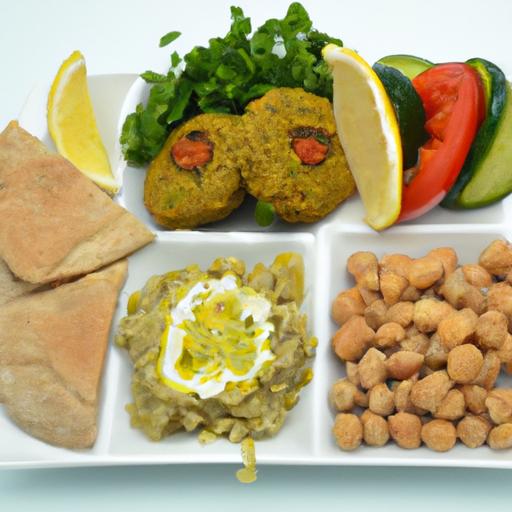
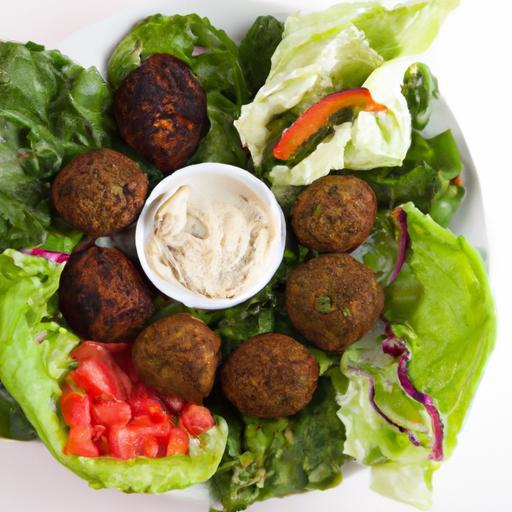
Falafel shines brightest when paired with vibrant accompaniments. Serve wrapped in warm pita or flatbreads, layered with creamy tahini sauce, crunchy pickled cucumbers, fresh tomatoes, and crisp lettuce. Drizzle with a zesty garlic yogurt or a fiery harissa sauce for a flavor punch. Sprinkle with sumac or toasted sesame seeds for visual appeal and a subtle tang. For a modern spin, stuff falafel into a vibrant slaw wrap or atop a colorful quinoa salad bowl with roasted vegetables. The possibilities are endless and invite you to customize your falafel wrap to suit your palate.
| nutrient | Per serving (4 balls) |
|---|---|
| Calories | 320 |
| Protein | 12g |
| Carbohydrates | 35g |
| Fat | 14g |

For more inspired Middle Eastern dishes, check out our Ultimate Hummus Recipes, or explore the rich history of chickpeas and falafel on Britannica.
Q&A
Q&A: Wrap Your Taste Buds – The Ultimate Falafel Delight Explained
Q: What exactly is falafel, and why is it called the “ultimate delight”?
A: Falafel is a crispy, golden-brown ball or patty made primarily from ground chickpeas or fava beans, blended with aromatic herbs and spices. It’s often hailed as the “ultimate delight” because it offers a perfect harmony of textures-crunchy on the outside, tender and flavorful inside-wrapped in fresh, vibrant accompaniments that awaken every taste bud.
Q: Where did falafel originate, and how has it become so popular worldwide?
A: Falafel’s origins trace back to the Middle East, likely Egypt, where the dish evolved as a satisfying vegetarian street food. Its irresistible flavor and nutritious profile made it a beloved staple that traveled globally, adapting to local tastes and inspiring countless variations-from wraps in bustling city streets to gourmet plates in upscale restaurants.Q: What makes a falafel wrap truly “ultimate”?
A: A top-tier falafel wrap balances freshness, spice, texture, and temperature. Imagine perfectly spiced falafel, crisped to golden perfection, nestled in pillowy pita or flatbread, layered with creamy tahini, tangy pickles, crunchy veggies, and a splash of zesty sauce. Each bite bursts with contrasts-earthy,creamy,tangy,and fresh-that come together in mouthwatering synergy.
Q: Can falafel be customized, or is there a conventional way to enjoy it?
A: While traditional falafel features simple yet powerful ingredients, the beauty lies in customization! Some wraps embrace classic flavors-like garlic and parsley-while others incorporate inventive toppings like spicy harissa, roasted eggplant, or even avocado. Whether you crave heat, creaminess, or a fresh crunch, falafel welcomes flavor creativity with open arms.
Q: Is falafel a healthy choice?
A: Absolutely! Falafel is packed with plant-based protein, fiber, and essential vitamins thanks to its base of chickpeas or fava beans and fresh herbs. When baked or lightly fried and paired with fresh veggies and wholesome bread, it’s a balanced, energizing meal that delights both your palate and your body.
Q: How can I make the perfect falafel at home?
A: The secret lies in the soak: soaking the beans overnight, never using canned. combine soaked beans with herbs like parsley and cilantro, garlic, cumin, and coriander. Pulse until coarse but not pureed,then chill the mixture before frying or baking for that ideal crisp exterior with a moist,flavorful core. Don’t forget to serve it wrapped with your favorite fresh toppings and sauces!
Q: what drinks or sides complement a falafel wrap best?
A: Falafel pairs beautifully with cooling sides like creamy tzatziki,crunchy tabbouleh,or pickled vegetables. For drinks, try fresh mint lemonade, iced hibiscus tea, or a sparkling water with a twist of lemon. These refreshing accompaniments cut through the falafel’s richness and elevate your overall taste experience.
Q: Why has falafel become a symbol of cultural fusion and comfort food?
A: Falafel embodies culinary traditions and community spirit-easy to share, adaptable to diverse palates, and rooted in history yet endlessly reinvented. It’s comfort food that invites everyone to savor simple ingredients transformed into joy, transcending borders and wrapping cultures in a delicious embrace.
Dive in,unwrap your falafel,and let your taste buds embark on an unforgettable journey of flavor and tradition!
Future Outlook
As you embark on your own culinary journey wrapped in the warm embrace of a falafel,remember that this humble dish is more than just a meal-it’s a celebration of rich history,vibrant flavors,and timeless tradition. Whether nestled within a pita, crowned with crisp veggies, or drizzled with creamy tahini, each bite is a delicious testament to the art of flavor-packed simplicity. So next time hunger calls, wrap your taste buds in this ultimate falafel delight and savor a world of taste that’s as satisfying as it is unforgettable.