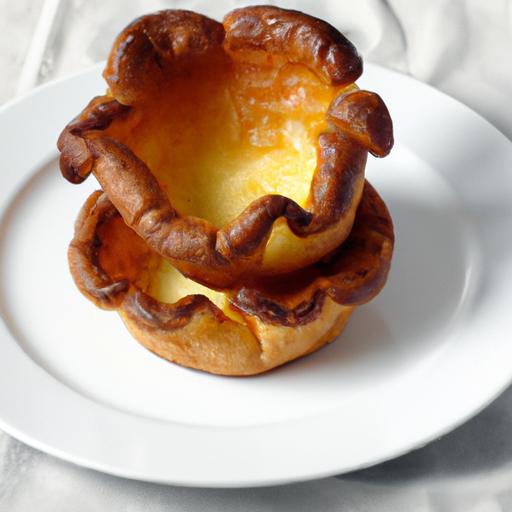

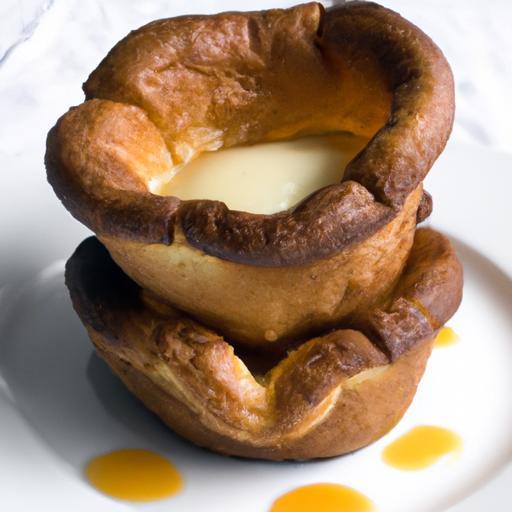
In the heart of British cuisine lies a humble yet iconic culinary treasure: the Yorkshire pudding. More than just a side dish, this golden, airy marvel has been delighting taste buds for centuries, embodying the perfect blend of tradition, technique, and regional pride.The timeless art of crafting classic Yorkshire pudding is a dance of simple ingredients-flour, eggs, milk, and a touch of hot fat-transformed by skillful hands and a keen eye for temperature into a crisp, puffed masterpiece. Join us as we delve into the history, secrets, and meticulous process behind this beloved British classic, revealing why Yorkshire pudding remains a staple on tables worldwide and a testament to the enduring charm of comfort food.
The Timeless Art of Crafting Classic Yorkshire Pudding
The Timeless Art of Crafting Classic Yorkshire Pudding reveals a dish that is much more than a simple accompaniment; it’s a cherished symbol of British culinary heritage. Originating from the northern counties of England, Yorkshire pudding’s humble beginnings as a thrifty way to stretch Sunday roast dinners have transformed it into a beloved classic worldwide. I still remember the fragrant warmth filling my grandmother’s kitchen as the batter rose majestically in those blister-hot tins – a true testament to the magic created by mastering this simple yet extraordinary recipe.
Prep and Cook Time
- Readiness: 15 minutes
- Resting Batter: 30 minutes (optional but recommended)
- Cooking: 20-25 minutes
- Total time: Approximately 1 hour
Yield
- 4 servings (makes about 8 traditional Yorkshire puddings)
Difficulty Level
- Easy to Medium – perfect for home cooks striving for impressive results
Ingredients
- 1 cup (120g) all-purpose flour, sifted
- 1 cup (240ml) whole milk, room temperature
- 3 large eggs, room temperature
- 1/2 teaspoon fine sea salt
- Vegetable oil or beef drippings, for the tin
Instructions
- Prepare the batter: In a large mixing bowl, whisk the flour and salt together.Crack in the eggs one at a time, whisking continuously until the mixture is smooth and slightly frothy.
- gradually add the milk, whisking briskly to create a silky batter with no lumps. The desired consistency is thin and pourable-like heavy cream-but with enough body to hold air pockets.
- Rest the batter for at least 30 minutes at room temperature; this allows the flour to fully hydrate and improves rising during baking.
- Preheat the oven to 220°C (425°F) or higher. Place a metal muffin tin or Yorkshire pudding tray inside to heat along with the oven for at least 15 minutes. The tin must be extremely hot for the puddings to rise.
- carefully remove the hot tin, add about 1 teaspoon of vegetable oil or beef dripping into each cup, and return to the oven for 5 minutes until the oil is smoking hot.
- pour the batter immediately and evenly into the hot tins, filling each about halfway. Quickly return the tray to the oven without opening the door to prevent heat loss.
- Bake for 20 to 25 minutes or until the puddings have inflated into golden, crispy domes with hollow centers. Avoid opening the oven door during cooking to maintain steady heat.
- Remove from the oven and serve immediately for the best texture.
Chef’s Notes
- Using room temperature eggs and milk helps the batter emulsify better and rise higher.
- Resting the batter is optional but contributes to tenderness and uniform bubbles inside the puddings.
- If you want extra savory depth, substitute vegetable oil with rendered beef dripping-traditional and irresistibly flavorful.
- For a lighter version, sift the flour twice to incorporate air before mixing.
- To keep Yorkshire puddings warm before serving,place them in a low oven (around 90°C/200°F) on a rack to prevent sogginess.
- Common issues like flat puddings frequently enough come from underheated tins or too-dense batter – don’t rush the preheat stage!
Serving Suggestions
Yorkshire puddings are a quintessential partner to classic roast beef and rich gravy, creating a harmony of crisp texture and meaty savoriness. For a modern twist, try filling them with hearty stews, caramelized onions, or even a dollop of creamy horseradish sauce for contrast.Garnish with freshly chopped parsley or a sprig of thyme to add a pop of color and herbaceous aroma. Serve piping hot on a warm plate to preserve their delicate crisp exterior and cloud-like interior, ensuring each bite is a party of tradition and technique.

| nutrient | Per Serving |
|---|---|
| Calories | 180 kcal |
| Protein | 6 g |
| Carbohydrates | 20 g |
| Fat | 8 g |
For more hearty British classics, explore our roast beef recipe that perfectly complements these Yorkshire puddings. Learn about their historical roots and modern adaptations at British Food Heritage.
Q&A
Q&A: The Timeless Art of Crafting Classic Yorkshire Pudding
Q1: What exactly is Yorkshire pudding, and why is it considered a classic British dish?
A1: Yorkshire pudding is a savory baked batter, traditionally made from eggs, flour, and milk, known for its crisp exterior and soft, airy interior. Originating from the Yorkshire region in northern England, it became a staple accompaniment to roast beef dinners. Its enduring appeal lies in its simplicity and versatility, embodying the heart of British comfort food and culinary heritage.
Q2: What makes a Yorkshire pudding ‘classic’? Are there key characteristics that define it?
A2: A classic Yorkshire pudding boasts a golden-brown, puffy rise with deep pockets perfect for soaking up gravy. The batter should be light yet sturdy, achieving a delicate balance between crispiness on the outside and tender fluffiness inside. Size-wise, tradition often leans towards individual puddings baked in muffin tins or one large pudding cooked in a roasting pan.
Q3: Can anyone master making Yorkshire pudding, or does it require special skills?
A3: While Yorkshire pudding might seem deceptively simple, perfecting it does require attention to detail and practice.The key techniques-like ensuring the fat is smoking hot before adding the batter, and giving the batter time to rest-are crucial to achieve that iconic rise. With patience and a few tried-and-true tips, even novice cooks can craft impressive Yorkshire puddings.Q4: What tips help achieve the perfect rise and texture?
A4: First, use a hot oven-typically around 220°C (425°F)-and preheat the fat (beef drippings or vegetable oil) in the pudding tray until it’s almost smoking. Second, allow the batter to rest for at least 30 minutes beforehand; this helps gluten develop and air bubbles form, encouraging a better rise. Lastly, avoid opening the oven door during baking to prevent collapse.
Q5: are there any traditional accompaniments or modern twists to Yorkshire pudding?
A5: Traditionally, Yorkshire pudding is served with roast beef and lashings of rich gravy, forming the centerpiece of the classic Sunday roast. However, inventive chefs have reimagined it as a vessel for everything from sausage and mashed peas to elegant seafood fillings. Whether sticking to roots or exploring new flavors, Yorkshire pudding’s structure lends itself beautifully to culinary creativity.
Q6: How has Yorkshire pudding remained relevant in modern cuisine?
A6: Its adaptability and comforting nature keep Yorkshire pudding beloved across generations. In the age of fast food and fusion dishes, it stands as a testament to timeless tradition, offering both nostalgia and a canvas for innovation. From British homes to fine dining tables, Yorkshire pudding continues to delight, proving that some classics never go out of style.
Q7: Any insider advice for someone trying to make Yorkshire pudding for the first time?
A7: Don’t rush the process-patience is your best ally. Invest time in heating the fat thoroughly and resting your batter adequately. Also, resist the urge to peek inside the oven until the pudding has set. Remember, every oven behaves slightly differently; note your results and tweak accordingly. Most importantly, enjoy the process-it’s a joyous ritual that connects you to generations of cooks before you.
Whether you’re a seasoned chef or an aspiring home cook, mastering Yorkshire pudding is a journey well worth taking. This humble yet magnificent dish reminds us that even the simplest ingredients, when crafted with care, can create something truly timeless.
Closing Remarks
As the golden, airy peaks of a perfectly baked Yorkshire pudding rise from the oven, they carry with them centuries of culinary tradition and a story steeped in northern English heritage. Crafting this classic dish is more than just a recipe – it’s an art form that celebrates simplicity, patience, and the magic of humble ingredients transformed by skillful hands.Whether served alongside a Sunday roast or enjoyed on its own with a drizzle of gravy, yorkshire pudding remains an enduring symbol of comfort and craftsmanship. So next time you whisk together batter and slide it into a scorching tin,remember you’re not just making a side dish – you’re keeping a timeless tradition deliciously alive.