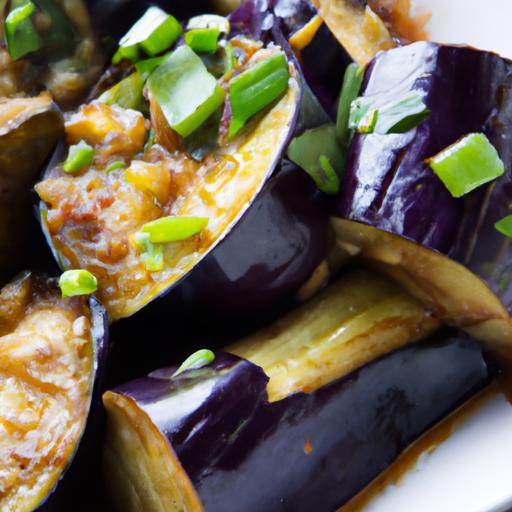

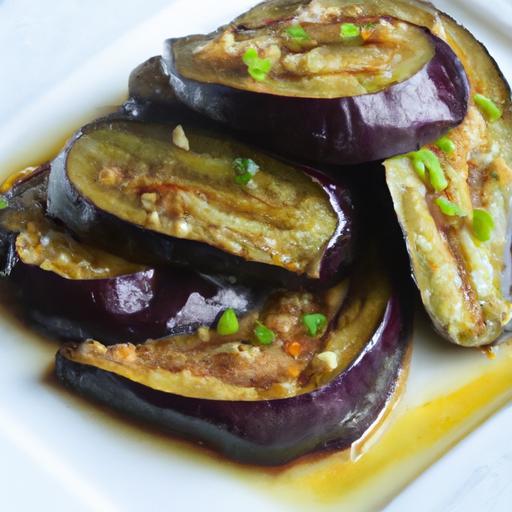
In the vibrant tapestry of Chinese cuisine,few ingredients boast the versatility and charm of the humble eggplant. From silky stir-fries to rich, fragrant braises, eggplant transforms effortlessly, absorbing bold spices and sauces while offering a tender, melt-in-your-mouth texture. Join us on a culinary journey as we savor the flavors of classic Chinese eggplant dishes-each bite telling a story of tradition,regional flair,and timeless recipes passed down through generations. Whether you’re a seasoned foodie or a curious newcomer, this exploration promises to awaken your palate and deepen your appreciation for one of China’s most beloved vegetables.
Savor the flavors of Chinese eggplant dishes, where each bite offers a harmonious blend of silky texture and bold, fragrant sauces. Rooted in centuries of culinary tradition, these recipes reveal the artful balance of savoriness, sweetness, and umami that define classic Chinese cooking. from the humble beginnings of stir-fried eggplant in family homes to its celebrated status in regional cuisines like Sichuan and Hunan,Chinese eggplant dishes showcase the vegetable’s unique ability to absorb vibrant aromatics and luscious sauces,making it a true star of the kitchen.
Prep and Cook Time
- Readiness: 15 minutes
- Cooking: 20 minutes
- Total Time: 35 minutes
Yield
- Serves 4 generously
Difficulty Level
- Medium – perfect for home cooks ready to explore bold Asian flavors
Ingredients
- 2 large Chinese eggplants (about 1 lb), cut into 2-inch sticks
- 3 tablespoons vegetable oil (peanut or canola recommended)
- 4 cloves garlic, minced
- 1 tablespoon ginger, finely grated
- 3 scallions, sliced thin (separate white and green parts)
- 2 tablespoons doubanjiang (fermented chili bean paste)
- 1 tablespoon soy sauce
- 1 tablespoon Chinese black vinegar
- 1 teaspoon sugar
- 1/2 cup chicken or vegetable broth
- 1 teaspoon cornstarch dissolved in 2 tablespoons water
- 1 teaspoon toasted sesame oil
- Fresh cilantro or thinly sliced red chili for garnish (optional)
Instructions
- Prepare the eggplants: Rinse and pat dry. Cut the eggplants lengthwise into sticks approximately 2 inches long and 1/2 inch thick. This thickness ensures even cooking while holding a tender, silky texture.
- Cook the eggplant: Heat 2 tablespoons of vegetable oil in a large skillet or wok over medium-high heat until shimmering. Add the eggplant sticks in a single layer, tossing gently.Sauté until they turn golden brown and become tender, about 7-8 minutes, stirring occasionally to prevent sticking and encourage caramelization.
- Sauté aromatics: Push the eggplant to one side of the pan. Add the remaining 1 tablespoon oil. Toss in the minced garlic, grated ginger, and the white parts of the scallions. Sauté for about 1 minute until fragrant but not burnt, releasing the base flavors.
- Add signature sauce: Stir in doubanjiang until it coats the aromatics and oil, cooking for 30 seconds. This fermented chili paste ignites the dish with a smoky,spicy depth essential to classic Chinese eggplant recipes.
- Build flavors: Pour in soy sauce, black vinegar, sugar, and broth. Stir to combine, than gently fold in the sautéed eggplant sticks. Reduce heat to medium and let the sauce simmer,allowing the eggplant to soak in the bold flavors,about 5 minutes.
- Thicken the sauce: Slowly pour in the cornstarch slurry while stirring gently to prevent lumps. Continue stirring until the sauce thickens and clings beautifully to the eggplants, about 1-2 minutes.
- Finish and garnish: Remove from heat; drizzle sesame oil over the dish and sprinkle with the green parts of scallions. Garnish with fresh cilantro or thin slices of red chili for a pop of color and brightness.
Chef’s Notes
- For an oil-reduced version,try steaming the eggplant sticks for 5 minutes before sautéing to soften them and cut down on oil absorption.
- Doubanjiang is the heart of authentic flavour here; seek out a high-quality, spicy version for best results. Substitutes like miso paste will change the flavor profile significantly.
- If you prefer a smokier note, consider briefly charring the eggplant under a broiler before cooking.
- This dish reheats beautifully and often tastes even better the next day as flavors meld.
Serving Suggestions
Serve this dish over steamed jasmine rice or fluffy white rice noodles to soak up the luscious sauce. for a perfect meal, pair with stir-fried greens like bok choy or Chinese broccoli. A cool cucumber salad offers a refreshing crunch contrast. For visual appeal,finish with a sprinkle of toasted sesame seeds and a few sprigs of cilantro,creating a vibrant plate that invites eager forks.

| Nutrient | Amount per Serving |
|---|---|
| Calories | 210 kcal |
| Protein | 3g |
| Carbohydrates | 15g |
| Fat | 15g |
To deepen your culinary exploration, check out our Classic Szechuan Dishes.For an authoritative dive into the ingredients and history, visit China Highlights – Chinese Food Culture.
Q&A
Q&A: Savor the Flavors – Exploring Classic Chinese Eggplant Dishes
Q1: Why is eggplant such a beloved ingredient in Chinese cuisine?
A1: Eggplant’s velvety texture and ability to absorb rich flavors make it a star ingredient in Chinese cooking.It transforms simple sauces into luxurious, mouthwatering bites, offering a perfect balance of earthiness and umami that appeals to all palates.
Q2: What are some iconic Chinese eggplant dishes every food lover should try?
A2: Among the classics, Yu Xiang Qie Zi (Fish Fragrant Eggplant) is a must-try, despite its misleading name-no fish involved! This dish dazzles with garlic, ginger, and a sweet-spicy sauce.Another favorite is Sichuan Spicy Eggplant, known for its fiery chili and numbing Sichuan peppercorns.Don’t miss the stir-fried eggplant with garlic sauce, a simple yet deeply savory comfort food.
Q3: How does Chinese cooking technique enhance the flavor of eggplant?
A3: Chinese chefs frequently enough employ quick stir-frying at high heat, which seals in moisture while giving the eggplant a slightly crispy edge.Techniques like salting and draining the eggplant beforehand help reduce bitterness and prevent sogginess, ensuring a tender yet firm bite. Braising in sauces allows the flavors to meld deeply, elevating eggplant from humble to sublime.
Q4: What makes the sauce in Fish Fragrant Eggplant so unique?
A4: The “fish fragrant” sauce combines garlic, ginger, scallions, soy sauce, vinegar, sugar, and chili bean paste into a harmonious symphony of sweet, sour, salty, and spicy notes. This medley creates an irresistible glaze that coats each silky piece of eggplant with layers of complexity and warmth.
Q5: Can eggplant dishes in Chinese cuisine be adapted for vegetarian or vegan diets?
A5: Absolutely! Most conventional Chinese eggplant recipes are naturally vegetarian and easily vegan-just skip or substitute any non-vegetarian ingredients like fish sauce. The rich sauces and bold spices ensure these dishes remain satisfying, meat-free delights that showcase eggplant’s versatility.Q6: Any tips for home cooks eager to master Chinese eggplant dishes?
A6: Start with fresh, firm eggplants and don’t rush the salting step-it prevents sogginess. Use high-quality chili bean paste or doubanjiang for authentic flavor, and balance your seasonings carefully with a splash of vinegar and a pinch of sugar. Lastly, embrace boldness! Chinese eggplant dishes thrive on contrasting flavors and textures, so let your palate explore.
Q7: What cultural meaning does eggplant hold in Chinese food traditions?
A7: Beyond taste, eggplant symbolizes adaptability and prosperity in Chinese culture, often featured in celebratory meals and family gatherings.Its humble origins paired with its ability to elevate simple ingredients resonate with the philosophy of transforming the everyday into something remarkable.
Whether you’re a seasoned chef or a culinary adventurer, these classic Chinese eggplant dishes invite you to savor each bite, unlocking centuries of flavor and tradition in every tender mouthful.
Key Takeaways
As the rich aroma of garlic mingles with the tender silkiness of eggplant in these classic Chinese dishes, we’re reminded that food is more than sustenance-it’s a journey through culture, history, and tradition. Whether braised in savory sauces or stir-fried to perfection, Chinese eggplant showcases a world of flavors that invite both curiosity and comfort. So next time you crave something vibrant yet familiar, let these timeless recipes guide your taste buds on an unforgettable exploration. After all, savoring the flavors of classic Chinese eggplant is not just about a meal-it’s about embracing a story told one bite at a time.