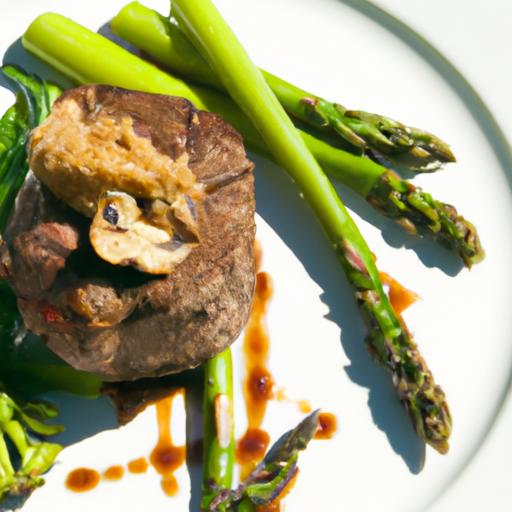


In the heart of untamed landscapes, where the air is crisp and the only soundtrack is the rustle of leaves and the crackle of a campfire, a unique culinary adventure awaits. Wilderness cooking is more than just a means to satisfy hunger-it’s an art form that transforms humble, foraged ingredients and basic tools into memorable meals infused with the spirit of the wild. “Wild flavors: Mastering the Art of Wilderness Cooking” invites you to explore this captivating world,where nature’s bounty meets primal technique,and every meal becomes a party of creativity,resourcefulness,and connection to the great outdoors. Whether you’re a seasoned backcountry chef or a curious novice, preparing food in the wilderness challenges and rewards in equal measure, teaching us not just how to cook, but how to truly savor the flavors of the wild.
Wild Flavors: Mastering the Art of Wilderness Cooking begins with an intimate connection to the land and an understanding of how to transform raw, local ingredients into unforgettable tastes. Imagine strolling through a sun-dappled forest, gathering wild garlic, fresh fiddleheads, and aromatic pine tips-all destined to become a vibrant, nutrient-packed meal cooked over a crackling open flame. This recipe encapsulates the essence of outdoor foraging and flavor harvesting, marrying nature’s bounty with the art of firecraft to inspire your next wilderness feast.
Prep and Cook Time
Readiness: 30 minutes | Cooking: 25 minutes | Total Time: 55 minutes
Yield
Serves 4 adventurous souls
Difficulty Level
Medium – Best suited for those comfortable with basic outdoor cooking and foraging
Ingredients
- 2 cups fresh wild garlic leaves, washed and roughly chopped
- 1 cup fiddlehead ferns, cleaned thoroughly
- 1 cup thinly sliced chanterelle mushrooms
- 1 small onion, finely diced
- 2 cloves garlic, minced
- 1 tablespoon pine needle tips, finely chopped
- 2 tablespoons olive oil or rendered wild game fat
- 1 cup cooked wild rice (or substitute with brown rice)
- 1 teaspoon sea salt (adjust to taste)
- 1/2 teaspoon freshly cracked black pepper
- 1 tablespoon fresh lemon juice or wild berry vinegar
- Optional: 1/4 cup toasted pine nuts or chopped hazelnuts for texture
Instructions
- Prepare your fire and cooking setup. Build a medium heat fire with a stable grate or use a cast-iron skillet over hot embers for steady, even heat.
- Start with aromatics. Heat olive oil or fat in the skillet, then sauté onion and garlic until translucent and fragrant, about 4 minutes.Stir frequently to prevent scorching.
- Add the mushrooms and pine needles. sauté until mushrooms soften and release their fragrant earthiness, around 6 minutes. The pine needle tips infuse a delicate resinous aroma-stir gently.
- Toss in the fiddleheads. Cook until tender but still crisp, around 3-4 minutes. These vibrant greens add a fresh, slightly nutty flavor.
- Mix in wild garlic leaves. Sauté for an additional 2 minutes, allowing their flavor to soften without losing vibrancy.
- Season your dish. Sprinkle with sea salt and black pepper, stirring well to combine.
- Fold in cooked wild rice. Stir thoroughly to warm through and distribute ingredients evenly, about 2-3 minutes.
- Finish with acidity. Drizzle with lemon juice or a wild berry vinegar to brighten flavors just before serving.
- Optional garnish. Sprinkle toasted pine nuts or chopped hazelnuts atop for delightful crunch and texture contrast.
- Serve immediately. Enjoy the rich medley of foraged flavors beneath a canopy of trees or beside a mountain stream.
Tips for Success
- When foraging, never consume wild plants unless you are 100% certain of their identity and edibility. Always cross-reference with a trusted guidebook or app to avoid toxic lookalikes.
- If pine needle tips are unavailable, substitute with fresh rosemary or thyme to mimic the resinous scent.
- For enhanced depth, add a splash of homemade wild mushroom broth during cooking.
- This meal can be prepped in advance by foraging and cleaning ingredients beforehand; simply sauté and assemble on-site for fresh flavor.
- experiment with different local greens or mushrooms based on your region and season.
Serving Suggestions
This dish shines when served straight from the skillet on rustic wooden plates or large leaves. Garnish with delicate wild microgreens or edible flowers for a visually stunning presentation.Pair with a chilled herbal infusion-wild mint, nettle tea, or even a lightly fermented berry shrub-to complement the foraged freshness.
For heartier feasts, accompany this wild rice medley with grilled fish or venison, seasoned lightly with foraged herbs.
| Nutrient | Amount per Serving |
|---|---|
| Calories | 280 kcal |
| Protein | 7 g |
| Carbohydrates | 42 g |
| Fat | 7 g |

For more inspiration on using local ingredients in your outdoor meals, explore our Wild Ingredient Cooking Guide. To deepen your knowledge about safe and lasting foraging, consult the expert resources at the U.S. forest Service Wildflower Forage Guide.
Q&A
Q&A: Wild Flavors – Mastering the Art of Wilderness Cooking
Q1: What exactly is wilderness cooking, and why has it gained popularity?
A: Wilderness cooking is the art of preparing meals using natural ingredients found in the wild or carried into remote outdoor settings. It combines survival skills with culinary creativity, turning foraged finds, fresh-caught game, and fire-cooked ingredients into delicious, rustic dishes. Its popularity stems from a growing desire to reconnect with nature, embrace simplicity, and savor authentic flavors untouched by the industrial kitchen.
Q2: How can beginners safely forage for wild ingredients without risking their health?
A: Safety comes first in wilderness cooking. beginners should start by learning to identify common edible plants through reliable field guides or expert-led foraging tours. Avoid any plant or mushroom unless you’re 100% certain it’s safe.When in doubt, don’t eat it! It’s also wise to collect from clean, uncontaminated areas and harvest moderate amounts to sustain local ecosystems.
Q3: What are some essential tools needed to master wild cooking?
A: While creativity is key, a few tools make wilderness cooking much easier: a sturdy fixed-blade knife for prepping ingredients, a lightweight portable stove or a good fire-starting kit, a cast-iron skillet or a versatile pan for open-fire cooking, and durable containers for gathering and storing wild foods. A reliable water filter is also indispensable.
Q4: How can you build and maintain a fire for cooking in the wilderness?
A: Building a fire starts with selecting dry tinder – think dry leaves, bark shavings, or small twigs. Arrange tinder, kindling, and larger logs in a structure such as a teepee or log cabin design, and ignite carefully using matches or a firestarter.Maintaining the fire means adding fuel gradually and managing airflow to keep heat consistent. Always follow local fire regulations and leave no trace.
Q5: What types of wild flavors can you expect to encounter?
A: Wilderness flavors are vibrant and varied: the earthiness of wild mushrooms, the sweet-tart snap of freshly foraged berries, smoky richness from wood-fired cooking, herbal notes from wild greens, and hearty depth from game meats. These flavors connect you to the land and elevate simple ingredients into memorable meals.
Q6: How can one seasoning or cooking technique enhance wild-caught ingredients?
A: Sometimes less is more in the wild kitchen.Using simple seasonings like sea salt, crushed wild peppercorns, or infused oils made from foraged herbs can highlight natural flavors rather than mask them. Cooking techniques like slow roasting over embers or smoking ingredients can add layers of complexity and preserve foods for longer periods.
Q7: What’s the biggest challenge when cooking in the wilderness, and how can you overcome it?
A: The unpredictability of weather and limited resources frequently enough pose the greatest challenges. being prepared by packing versatile tools, learning adaptive cooking methods, and practicing patience helps turn obstacles into opportunities for creativity. Embracing the rhythm of nature and improvising with what’s at hand are the true secrets to mastery.Q8: Can wilderness cooking be sustainable and eco-friendly?
A: Absolutely! When done responsibly, wilderness cooking promotes a deep respect for nature. Foraging with care, harvesting only what’s needed, and leaving minimal impact preserves ecosystems. Using renewable fuel sources and biodegradable materials further aligns your culinary adventure with environmental stewardship.
Q9: How can beginners get started on mastering wilderness cooking?
A: Begin with simple recipes and expeditions close to home. Study local flora and fauna, practice building fires safely, and experiment with basic cooking techniques outdoors. Join workshops, connect with experienced wild cooks, and embrace the journey with curiosity and respect for the wild.
Mastering the art of wilderness cooking is less about perfect recipes and more about cultivating a mindful relationship with nature’s pantry-where every bite is a celebration of wild flavors and primal joy.
Wrapping Up
As the campfire’s last embers glow and the wild whispers settle into the night, the art of wilderness cooking reveals itself not just as a skill, but as a celebration-a bridge between nature’s raw bounty and our creative spirit.Mastering these wild flavors invites us to slow down, to listen, taste, and transform humble, foraged ingredients into memorable feasts under open skies. Whether you’re a seasoned outdoor chef or a curious adventurer, embracing the wilderness kitchen enriches more than the palate; it deepens our connection to the land and awakens a timeless culinary rhythm that’s been danced around fires for generations. So pack your gear, sharpen your knives, and let the wild inspire your next delicious journey.