

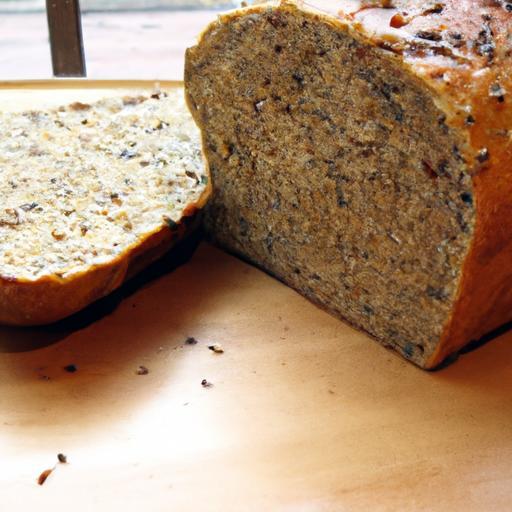
In the world of baking, few ingredients boast as much humble brilliance as flaxseed. This tiny seed, frequently enough overshadowed by more familiar staples, holds the secret to transforming ordinary bread into a powerhouse of nutrition and flavor. Flaxseed bread offers a delicious twist on classic loaves, marrying the comforting warmth of freshly baked bread wiht the rich, nutty essence and health benefits of flaxseed. Whether toasted for breakfast or served alongside a hearty stew, flaxseed bread invites us to rethink our daily bread-not just as a source of sustenance, but as a mindful choice for wellness and taste. Join us as we explore how this ancient seed is reshaping the art of baking into something both wholesome and remarkable.
Flaxseed bread brings a wholesome richness to the classic loaf, combining earthy flavors and a satisfying crunch that awaken the senses while nourishing the body. Originating from ancient grains prized for their nutritional potency, this bread has become a modern superfood staple for those craving texture with purpose. I remember the first time I baked flaxseed bread at home-its nutty aroma filling the kitchen made it unachievable to resist slicing thick pieces rubbed with melting butter and honey, a simple yet elevated experience you can easily recreate.
Prep and Cook Time
- Planning: 20 minutes
- Rising time: 1 hour 15 minutes
- Baking time: 30 minutes
- Total: 1 hour 65 minutes
Yield
One loaf (approx. 12 slices)
Difficulty Level
Medium – perfect for confident home bakers eager to master a nutritious twist
Ingredients
- 2 cups whole wheat flour, sifted
- 1/2 cup ground flaxseed meal
- 1/2 cup rolled oats
- 1 tbsp active dry yeast
- 1 1/4 cups warm water (about 110°F)
- 2 tbsp honey or maple syrup
- 2 tbsp olive oil, plus extra for greasing
- 1 tsp sea salt
- 1 tbsp chia seeds (optional, for extra texture)
- 1/4 cup flaxseeds (whole, for topping)
instructions
- Activate the yeast: In a warm bowl, combine warm water, honey, and yeast. Stir gently,then let sit for 5-7 minutes until the mixture bubbles and becomes frothy.
- Mix dry ingredients: In a large mixing bowl, whisk together whole wheat flour, ground flaxseed meal, rolled oats, chia seeds (if using), and sea salt.
- Combine wet and dry: Pour the activated yeast mixture and olive oil into the dry ingredients.Using a wooden spoon,mix until a sticky,cohesive dough forms.
- Knead the dough: Turn dough onto a floured surface and knead for about 8-10 minutes, adding a little flour if necessary. Aim for a slightly tacky but elastic dough that springs back when poked.
- First rise: Lightly oil a large bowl, place the dough inside, and cover with a damp towel or plastic wrap.Let rise in a warm spot for 1 hour or until doubled in size.
- Shape your loaf: Gently deflate the dough and shape into a tight oval or round loaf. Place on a parchment-lined baking sheet or into a greased loaf pan. Brush the top with water and sprinkle whole flaxseeds evenly for a crisp crust.
- Second rise: Cover and let the dough rise for another 30 minutes until puffy.
- Bake: Preheat the oven to 375°F (190°C). Bake the loaf for 30 minutes or until the crust is golden brown and the loaf sounds hollow when tapped on the bottom.
- Cool: Remove from the oven and transfer to a wire rack. Let cool entirely for best slicing and texture retention.
Expert Tips for Baking and Storing Flaxseed Bread at Home
- Flour substitutions: Experiment with spelt or rye flour to diversify flavor profiles without sacrificing texture.
- adding moisture: If your flaxseed bread feels dense, try incorporating Greek yogurt or applesauce (¼ cup) to lighten the crumb.
- Toasting flaxseeds: Lightly toast the whole flaxseeds on the stovetop before sprinkling on top for a toasted aroma and crunch boost.
- Make ahead: This dough freezes well-shape the loaf, wrap tightly, and freeze. Thaw before the second rise to bake fresh bread anytime.
- Storage: Store cooled flaxseed bread wrapped in a cloth bag at room temperature for up to 3 days or freeze slices in airtight bags for longer shelf life.
Incorporating Flaxseed Bread into Your Daily Nutrition Routine
Incorporate this nutrient-dense loaf into your meals for a clean energy boost and digestive health support. Rich in omega-3 fatty acids, fiber, and lignans, flaxseed bread not only satisfies your carb cravings but also promotes heart health and healthy skin. Enjoy thick slices slathered with avocado mash, layered with smoked salmon and fresh dill, or simply toasted with honey and a sprinkle of cinnamon for a wholesome breakfast. Its fibrous texture pairs beautifully with creamy cheeses and hearty soups, lending itself perfectly to both sweet and savory applications. For more ideas on nutrient-packed breads, explore our Healthy Bread Recipes post.
Nutritional Information
| Serving Size | Calories | Protein | Carbs | Fat |
|---|---|---|---|---|
| 1 slice (approx. 50g) | 120 | 4g | 18g | 4g |
Chef’s Notes and Tips for Success
- Ground flaxseeds vs. whole: Ground flaxseed meal is best for maximizing nutrient absorption and ensuring a tender crumb, while whole flaxseeds add delightful pops of texture.
- hydration balance: Flaxseeds absorb a lot of moisture-don’t skimp on water or the dough can become dry. Add extra water tablespoon by tablespoon if needed.
- Oven steam trick: For an artisan-style crust, place a shallow pan with boiling water on the oven floor during the first 10 minutes of baking.
- Flavor variations: Fold in fresh herbs like rosemary or thyme for savory layers or dried fruits and nuts for a sweet twist.
- External authority reference: For detailed flaxseed nutrition benefits, check out the Healthline’s comprehensive guide.

Q&A
Q&A: Flaxseed Bread – A Nutritious Twist on Classic Loaves
Q1: What makes flaxseed bread different from customary bread?
A1: flaxseed bread stands out by incorporating flaxseeds-tiny nutritional powerhouses-into the dough. Unlike classic loaves that rely mostly on refined flour, flaxseed bread combines wholesome grains with these little seeds, offering a richer texture, a subtle nutty flavor, and a boost of health benefits.
Q2: Why should I consider adding flaxseed to my bread?
A2: Flaxseeds are packed with omega-3 fatty acids, dietary fiber, and lignans-plant compounds with antioxidant properties. Incorporating them into bread not only enhances the nutritional profile but also supports heart health, digestive wellness, and may help regulate blood sugar levels. Essentially, you’re turning a simple slice of bread into a functional food.
Q3: Can flaxseed bread fit into special diets, like gluten-free or low-carb?
A3: Flaxseed bread is often adaptable.While traditional flaxseed bread includes wheat flour, many recipes use flaxseed meal combined with gluten-free flours, making it suitable for those with gluten sensitivities. Additionally, flaxseeds’ high fiber and fat content help create low-carb bread options that keep you feeling full longer-perfect for keto or paleo lifestyles.
Q4: Does flaxseed bread taste different from regular bread?
A4: Absolutely! Flaxseed adds a mild, nutty undertone and a pleasant crunch, elevating the sensory experience. It’s less airy than classic white bread, with a denser crumb that appeals to those who love hearty, rustic loaves. Plus, the natural earthiness complements both savory and sweet toppings effortlessly.
Q5: How can I make flaxseed bread at home?
A5: Making flaxseed bread can be as simple or adventurous as you like. Start by substituting part of your flour with ground flaxseed or flaxseed meal. Combine with your favorite bread recipe,add a pinch of salt and a hint of sweetness like honey or molasses to balance flavors. Let the dough rise, then bake until golden.Experimenting with whole flaxseeds or toasted varieties can add exciting textures and flavors.
Q6: Are there any tips to keep flaxseed bread fresh longer?
A6: As flaxseed contains oils,flaxseed bread can become stale or rancid quicker than standard loaves. Store it in an airtight container and keep it refrigerated to maintain freshness. For longer storage, slice and freeze the bread, thawing slices as needed to enjoy that freshly baked goodness any time.Q7: Who would benefit most from flaxseed bread?
A7: Anyone looking to boost their nutrient intake without sacrificing flavor can benefit! Fitness enthusiasts, heart-conscious eaters, people managing blood sugar, or those simply curious about enriching their diet will find flaxseed bread a delicious and practical addition.
Flaxseed bread isn’t just a loaf; it’s a delicious fusion of tradition and nutrition, a simple twist that transforms everyday bread into a superfood sensation. Whether you’re baking at home or shopping the bakery aisle, this versatile bread invites you to taste health in every bite.
Insights and Conclusions
In the world of bread, flaxseed bread stands out as a wholesome hero-infusing every slice with a nutty crunch and a powerhouse of nutrients. By embracing this ancient seed within the framework of a classic loaf, we not only elevate our taste buds but also nourish our bodies with omega-3s, fiber, and essential minerals. Whether toasted for breakfast or paired with your favorite sandwich fillings, flaxseed bread offers a deliciously simple way to add a nutritious twist to your daily bread ritual. So next time you’re reaching for that familiar loaf, consider the humble flaxseed transformation-a small change that packs a mighty punch for both flavor and wellness.