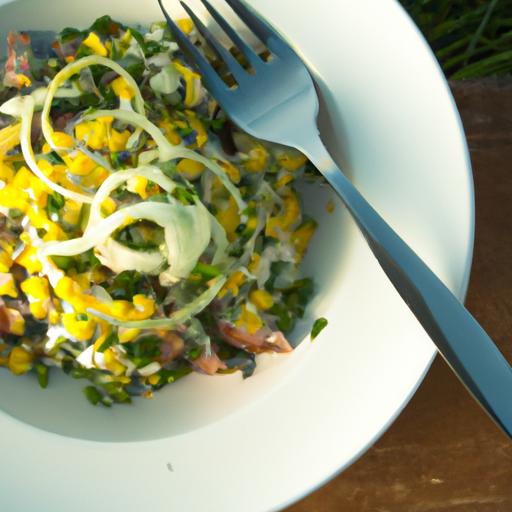

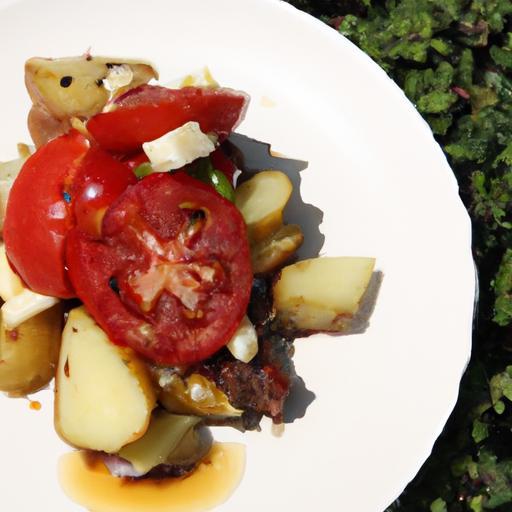
Imagine savoring a hearty, delicious meal beneath the canopy of towering pines, the crackle of a campfire your soundtrack, all while leaving no trace behind. zero-waste camping feasts aren’t just a dream for eco-conscious adventurers-they’re a transformative approach to how we connect with nature and nourish ourselves on the trail. In this article, we’ll explore how to craft lasting meals that minimize waste, maximize flavor, and honor the environment, turning every camping trip into a festivity of resourcefulness and respect for the great outdoors. Whether you’re a seasoned backpacker or a weekend wanderer, discover the art of zero-waste cooking that helps preserve the wilderness you love.
Zero-Waste Camping Feasts: Sustainable Meals on the Trail begin with thoughtful planning and resourceful techniques that transform wild kitchen challenges into joyful, eco-friendly experiences. Whether you’re setting off on a weekend hike or a weeklong expedition, embracing sustainable ingredients and packing smartly ensure every bite nourishes both body and planet.
Prep and Cook Time
Prep Time: 15 minutes | Cook Time: 20 minutes
Yield
Serves 2 adventurers
Difficulty Level
Easy to Medium – perfect for backcountry cooks ready to elevate their zero-waste game
Ingredients
- 1/2 cup quinoa, rinsed thoroughly
- 1 cup vegetable broth (dehydrated or homemade cube)
- 1/4 cup sun-dried tomatoes, chopped
- 1/4 cup canned chickpeas, drained and rinsed
- 1/4 cup frozen or fresh kale, chopped finely
- 1 tbsp olive oil, packed in a reusable container
- 1 garlic clove, minced or a pinch of garlic powder
- 1 tsp lemon zest, fresh if possible
- Salt and pepper to taste
- Optional: crushed red pepper flakes for a hint of spice
instructions
- Bring the vegetable broth to a gentle boil in your camping pot.If using a dehydrated cube, dissolve it fully for maximum flavor.
- Add rinsed quinoa carefully to the boiling broth. stir once to prevent sticking and reduce heat to low.
- Cover and simmer for 15 minutes, checking occasionally to ensure liquid is absorbed without burning the quinoa on the bottom.
- While quinoa cooks, heat olive oil in a seperate pan over medium heat.
- Sauté the minced garlic for about 1 minute until fragrant, then add sun-dried tomatoes and kale. Sauté until kale softens, about 3-4 minutes.
- Combine chickpeas with sautéed vegetables. Stir gently to warm the chickpeas through without breaking them apart.
- Once quinoa is fluffy and broth absorbed, fold the vegetable mixture into quinoa along with lemon zest, salt, and pepper.
- Serve warm. Add red pepper flakes if desired, stirring lightly to spread the heat evenly.
Tips for Success
- Quinoa Prep: Rinse quinoa thoroughly pre-trip to reduce bitterness and pack portions in reusable bags.
- Dehydrated broth cubes save space and reduce trash; consider making your own from vegetable scraps at home for ultimate sustainability.
- Sun-dried tomatoes and kale are nutrient-dense and lightweight-perfect zero-waste choices; freeze-dried alternatives also work well.
- Pack olive oil in a leak-proof silicone container rather than disposable bottles.
- If fresh garlic is unavailable, use garlic powder-less weight and no waste.
- Make-ahead option: Pre-soak quinoa and pre-chop vegetables to reduce cook time and fuel usage on the trail.
- Cleaning: Use biodegradable soap and carry water at least 200 feet from natural water sources to wash dishes responsibly.
Serving Suggestions
This dish pairs beautifully with a hearty campfire black tea or a fresh, citrusy herbal infusion. Serve topped with a sprinkle of crushed nuts or seeds (like pumpkin or sunflower), adding crunch and extra protein. Garnish with fresh herbs such as parsley or dill if available for a pop of color and fragrance. For a more filling meal, wrap it in a reusable silicone tortilla or lettuce leaf.

| Nutrient | Per Serving |
|---|---|
| Calories | 350 kcal |
| Protein | 12g |
| Carbohydrates | 48g |
| Fat | 9g |
Embracing sustainable ingredients and smart packing methods turns every meal into a celebration of nature’s bounty while respecting the pristine environments we treasure. For further inspiration on eco-friendly trail cooking, see our Eco-Friendly Backpacking Meal Ideas, and explore best practices for low-impact outdoor cooking through the National Park Service Leave No Trace principles.
Q&A
Q&A: Zero-Waste Camping Feasts – Sustainable Meals on the Trail
Q1: What exactly is zero-waste camping, and why does it matter?
A1: Zero-waste camping means minimizing, and ideally eliminating, all trash generated during your outdoor adventure. It’s about embracing eco-friendly habits-like using reusable containers and avoiding single-use plastics-to protect nature’s beauty. By reducing waste, we lessen pollution, prevent harm to wildlife, and leave the environment pristine for future adventurers.
Q2: How can I plan a zero-waste meal that’s easy to prepare on the trail?
A2: Start with simple, wholesome ingredients that travel well and don’t require excessive packaging-think bulk nuts, dried fruits, grains, and fresh veggies you can eat raw or cook easily. Prepare portions at home, packed in reusable containers or cloth wraps, so you avoid excess plastic. Recipes that use minimal cookware or one-pot meals are perfect to save energy and clean-up time.Q3: What are some zero-waste cooking and serving tools to bring?
A3: think compact and sustainable: a lightweight metal or bamboo spork,stainless steel or silicone bowls,a small camping stove with a reusable fuel source,and beeswax wraps or silicone bags rather of plastic sandwich bags. Avoid disposable plates and utensils-your trusty multitool and a set of durable, reusable gear will serve you well.
Q4: How do I handle food scraps and leftovers responsibly while camping?
A4: Leave no trace by packing out all your waste, including organic scraps. Composting isn’t always an option in the wild, so collect peelings, cores, and other biodegradable leftovers in a dedicated bag to dispose of properly once you return to civilization.Alternatively, turn scraps into trail treats like dehydrated veggie chips before you leave!
Q5: Can zero-waste camping be budget-friendly?
A5: Absolutely! Reducing waste frequently enough means buying in bulk or growing your own staples, which can save money over time. Plus, reusing gear and focusing on simple, fresh ingredients cuts down costs on single-use items and overly processed foods. Sustainable camping is not only good for the planet-it’s lighter on your wallet too.Q6: What’s a sample zero-waste camping meal to try on your next trip?
A6: How about a hearty quinoa salad with roasted chickpeas, chopped fresh veggies, and a lemon-tahini dressing? Pack the dry ingredients in jars, bring fresh greens in reusable bags, and cook chickpeas from bulk dried beans. For dessert, enjoy mixed nuts and dried berries stored in a reusable fabric pouch. Minimal waste, maximum flavor!
Q7: How can I encourage my camping friends to adopt zero-waste habits?
A7: Share your passion by inviting them to join in the prep-from meal planning to packing reusable gear. demonstrate how easy and rewarding zero-waste camping can be by showcasing delicious meals and the peace of mind that comes with treading lightly in nature. Sometimes,leading by example is the best inspiration!
By weaving sustainability into your outdoor meals,you transform every camping trip into a celebration of nature and mindful living. With a little planning and creativity, zero-waste camping feasts prove that delicious doesn’t have to mean disposable!
Future Outlook
As the sun sets on your zero-waste camping adventure, remember that every thoughtful meal is a step toward preserving the very wilderness you cherish. By embracing sustainable ingredients, clever packaging, and mindful leftovers, you’re not just nourishing your body-you’re honoring the trail and the earth beneath your feet. So pack smart,cook consciously,and leave nothing but footprints. as the best feast is one that feeds both your soul and the planet, ensuring that the great outdoors remains a vibrant, thriving sanctuary for generations of campers to come.