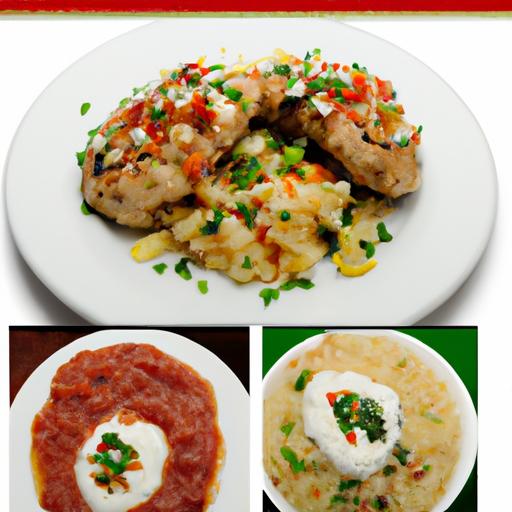

Nestled at the crossroads of continents and cuisines, Turkish köfte stands as a culinary emblem rich with history, culture, and irresistible flavour. These succulent, seasoned meatballs-crafted from a harmonious blend of spices, herbs, and tender ground meat-invite food lovers on a sensory journey through turkey’s vibrant kitchens and bustling bazaars.More than just a dish, köfte tells a story of tradition, regional diversity, and the art of transforming simple ingredients into something extraordinary. Join us as we explore the savory world of Turkish köfte, uncovering its origins, varieties, and the mouthwatering secrets behind this beloved staple that continues to captivate palates around the globe.
The Savory World of Turkish Köfte invites you on a culinary journey rich with history, melding fragrant spices and succulent meats into bite-sized treasures. Rooted deep in Anatolian culture, köfte’s origins trace back centuries as a beloved street food and festive centerpiece, evolving through generations with each region imprinting its own distinctive flair. Embracing these flavors will not onyl delight yoru palate but also connect you to the stories of the lands where köfte first captured hearts and taste buds alike.
Prep and Cook Time
Preparation: 25 minutes | Cooking: 15 minutes
Yield
Serves 4 – approximately 16 medium-sized köfte
Difficulty level
Medium
Ingredients
- 500g ground lamb (preferably with 15-20% fat for juiciness)
- 1 small onion, finely grated
- 2 cloves garlic, minced
- ½ cup fresh parsley, finely chopped
- ½ cup stale white bread crumbs, soaked in ¼ cup milk, then drained
- 1 large egg
- 1 teaspoon ground cumin
- 1 teaspoon ground sumac (adds tangy depth)
- 1 teaspoon sweet paprika
- ½ teaspoon ground black pepper
- 1 teaspoon salt
- 2 tablespoons olive oil (for frying)
- Optional: ½ teaspoon red pepper flakes for a subtle heat
Instructions
- Prepare the mixture: In a large bowl, combine the ground lamb, finely grated onion, minced garlic, and fresh parsley. Mix gently to avoid overworking the meat.
- Soak the bread crumbs: Place the bread crumbs in a small bowl with milk, letting them absorb fully, then squeeze out excess liquid to avoid soggy köfte.
- Build flavor: Add the soaked bread crumbs, egg, cumin, sumac, paprika, pepper flakes (if using), black pepper, and salt to the meat mixture. Mix thoroughly but with care to maintain a tender texture.
- Rest the mixture: Cover the bowl and refrigerate for at least 30 minutes. this allows the spices to meld and the mixture to firm up for easy shaping.
- Shape the köfte: With damp hands, form the mixture into oval or round patties about 2 inches in diameter and ¾ inch thick, ensuring even size for consistent cooking.
- Cook the köfte: Heat olive oil in a large skillet over medium heat. Add the köfte without crowding. Fry for 4-5 minutes on each side until beautifully browned and cooked through,turning carefully to prevent breakage.
- Drain and serve: Remove köfte from pan and place on paper towels to absorb excess oil. Serve warm for optimal flavor and texture.
Tips for Success
- Meat selection: using a blend of lamb and beef can mellow the flavor while maintaining juiciness.
- Don’t overmix: Overworking the meat results in a tough köfte – gentle folding is key.
- Rest time: Adequate chilling is essential to help the köfte hold their shape and develop flavor depth.
- Sumac substitute: If sumac is unavailable, a squeeze of lemon juice or a light dash of vinegar can replicate its sour notes.
- Make-ahead: Form the köfte in advance and freeze uncooked patties separated by parchment paper, cooking them straight from frozen by adding a few extra minutes.
Serving Suggestions
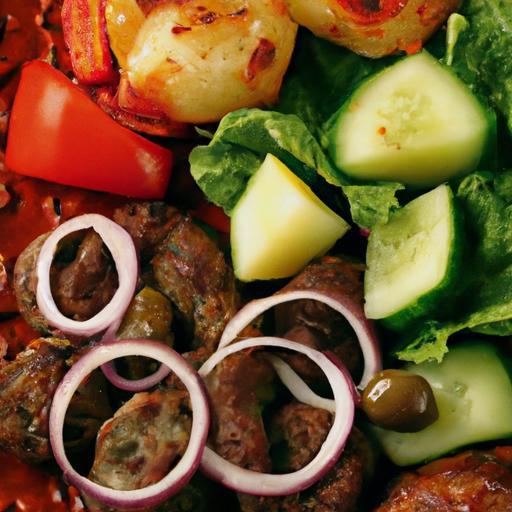
Present your köfte on a warm platter garnished with fresh parsley and thinly sliced red onions drenched in sumac. For a conventional touch, serve alongside creamy yogurt sauce, tangy acılı ezme (spicy tomato salsa), and warm, fluffy pita bread.Complement this hearty meal with a chilled glass of Turkish red wine or a fizzy, herbal iced tea for an authentic dining experience.

| Nutrient | Per Serving |
|---|---|
| Calories | 320 kcal |
| Protein | 28g |
| Carbohydrates | 6g |
| Fats | 20g |
Q&A
Q&A: The Savory World of Turkish Köfte – A Flavor Journey
Q: What exactly are Turkish köfte?
A: turkish köfte are flavorful meatballs or patties made from ground meat-typically lamb or beef-blended with a symphony of herbs, spices, onions, and sometiems bulgur or bread crumbs. They are a beloved staple across Turkey, enjoyed in countless regional varieties that each tell a unique culinary story.
Q: How did köfte become such an integral part of Turkish cuisine?
A: Köfte’s roots trace back to the ancient culinary traditions of the Ottoman Empire, where minced meat dishes were refined into art. The simplicity of mixing meat with aromatic spices and herbs made it accessible yet endlessly adaptable.It became a favorite for street vendors and home cooks alike, symbolizing comfort and communal dining.
Q: What makes Turkish köfte different from meatballs found in other cuisines?
A: While meatballs exist worldwide, Turkish köfte stands out because of its fragrant spice blend-often including cumin, paprika, and mint-and its texture, which can range from tender and juicy to crisp and grilled. Additionally, the accompaniment choices-like smoky grilled vegetables, tangy yogurt sauces, or warm flatbreads-create an experiential plate beyond just meat.
Q: Can you describe some popular regional varieties of Turkish köfte?
A: Absolutely! In Istanbul, you might savor “İnegöl köfte,” known for its fine texture and subtle seasoning. The Aegean region offers “Denizli köfte,” enriched with thyme and toasted pine nuts. Meanwhile, Adana’s fiery “Adana köfte” bursts with chili and paprika, offering a spicy kick.Each variation captures the essence of its locale, from spice level to cooking method.
Q: How are köfte typically prepared and cooked?
A: Preparation starts with meticulously mixing ground meat and spices, ensuring every bite sings with balanced flavors. The mixture is shaped by hand into balls, patties, or elongated forms. Cooking methods vary-some are grilled over open flames for a smoky char, others pan-fried, baked, or even simmered in tomato-based sauces for a comforting stew.
Q: What are the best ways to serve and enjoy Turkish köfte?
A: Köfte is versatile: it can star in a street food sandwich wrapped in flatbread with salad and pickles, or be plated elegantly with sides like pilaf rice, grilled veggies, and creamy yogurt dips. Pairing with fresh herbs like parsley and a squeeze of lemon elevates the flavors, while a glass of traditional Turkish tea or ayran (yogurt drink) refreshes the palate.
Q: Are there vegetarian or alternative versions of köfte?
A: Indeed! While the classic is meat-based, modern and traditional adaptations embrace vegetarian ingredients like lentils, chickpeas, mushrooms, and bulgur, combined with herbs and spices to mimic the köfte’s hearty texture and flavor. These versions cater to diverse diets while honoring the spirit of the dish.Q: Why should someone embark on a flavor journey with turkish köfte?
A: Turkish köfte offers an invitation to explore a culinary heritage rich in spice, tradition, and innovation. Each bite is a mosaic of culture and taste, simple yet profound. Whether you’re a food adventurer or a comfort food seeker, köfte promises a savory journey that delights the senses and warms the heart.
Final Thoughts
As we close our flavorful journey through the savory world of Turkish köfte, it becomes clear that these humble meatballs are far more than just a dish-they are a vibrant tapestry woven from centuries of history, regional traditions, and culinary artistry. Each bite offers a story, a connection to the diverse landscapes and cultures that shape Turkey’s rich gastronomic heritage. Whether enjoyed sizzling fresh from the grill or nestled in a warm pita, köfte continue to captivate palates around the world, inviting us all to savor not just a meal, but a cultural experience. So next time you encounter these fragrant, spiced treasures, remember-you’re partaking in a delicious legacy that transcends borders and generations.